Tracing the Impact of Unified Assistance Frameworks on Security Protocols for Cross-Border Handheld Billing
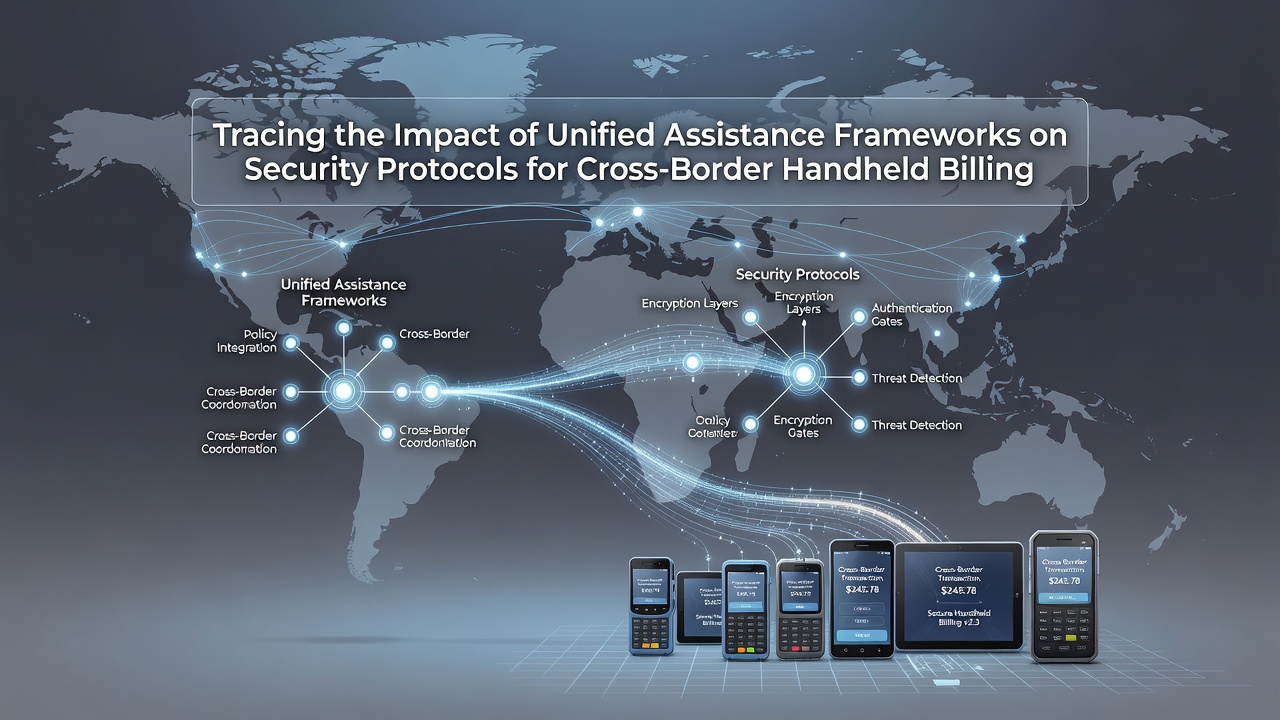
Unified assistance frameworks combine real-time monitoring tools with coordinated response teams that operate across multiple jurisdictions, and these structures have begun reshaping how security protocols function in cross-border handheld billing environments. Handheld billing systems process transactions on portable devices that move between regulatory zones, so the frameworks deliver continuous oversight while adapting to local rules on data handling and authentication. Observers note that integration of support layers with protocol design reduces response times during suspected anomalies, particularly when transactions cross from one currency regime into another.
Core Components of Unified Assistance Frameworks
These frameworks rest on three main pillars: centralized data aggregation, multi-region compliance mapping, and synchronized escalation procedures. Data aggregation pulls transaction logs from mobile gateways in different countries into a single view, allowing analysts to spot patterns that single-country systems often miss. Compliance mapping aligns each protocol step with the requirements of participating regulators, such as those outlined by the European Central Bank for euro-denominated mobile payments and the Monetary Authority of Singapore for cross-border digital wallets. Escalation procedures route alerts to the nearest available specialist who holds clearance for the affected jurisdiction, cutting the interval between detection and containment.
Research from academic centers shows that organizations adopting these pillars recorded measurable drops in unauthorized transaction attempts during 2025, with further adjustments planned ahead of updated verification rules scheduled for August 2026.
Effects on Authentication and Encryption Layers
Security protocols in handheld billing rely on device-bound certificates and tokenization to protect card details during transmission. When unified assistance frameworks feed live intelligence into these layers, authentication checks can adjust dynamically based on risk signals gathered from multiple borders. For instance, a device crossing from Canada into the United States triggers an additional token refresh if the framework flags unusual velocity patterns, a step that standalone protocols rarely execute in real time.

Encryption key rotation also benefits. Teams monitoring aggregated logs can push updated keys to active sessions before vulnerabilities propagate across networks. Data from industry reports indicate that such rotations now occur at shorter intervals in regions where assistance frameworks operate, lowering exposure windows compared with legacy schedules.
Cross-Border Data Flow Adjustments
Cross-border handheld billing generates streams of personally identifiable information that must satisfy differing privacy statutes. Unified assistance frameworks insert compliance checkpoints at each handoff point, verifying that data fields meet the strictest applicable standard before forwarding. This approach prevents downstream rejections and reduces the need for manual intervention by support staff.
According to figures released by the Reserve Bank of Australia, coordinated checkpoints have lowered the rate of data-related transaction holds in tested corridors by measurable percentages since framework deployment began. Similar patterns appear in pilot programs linking Latin American markets with North American processors, where local regulators require explicit consent flags that the frameworks now embed automatically.
Operational Metrics and Observed Patterns
Organizations tracking framework performance report that average incident resolution time has shortened because support teams receive pre-filtered context from the monitoring layer. The ball is in the court of protocol designers to maintain parity between assistance speed and encryption strength, especially as device capabilities advance. Patterns emerging in August 2026 previews suggest that regulators will require documented handoff logs between assistance nodes and protocol engines, a step that will formalize current informal exchanges.
Conclusion
Unified assistance frameworks continue to alter how security protocols manage authentication, encryption, and data movement in cross-border handheld billing. Evidence gathered across multiple regulatory environments shows consistent gains in response speed and compliance alignment, while new requirements slated for August 2026 will likely codify many of the practices already in use. Those who study these systems note that continued measurement of operational metrics remains essential as transaction volumes and device diversity grow.