Tracing Fraud Patterns Across Global Mobile Payment Networks and Their API Defenses
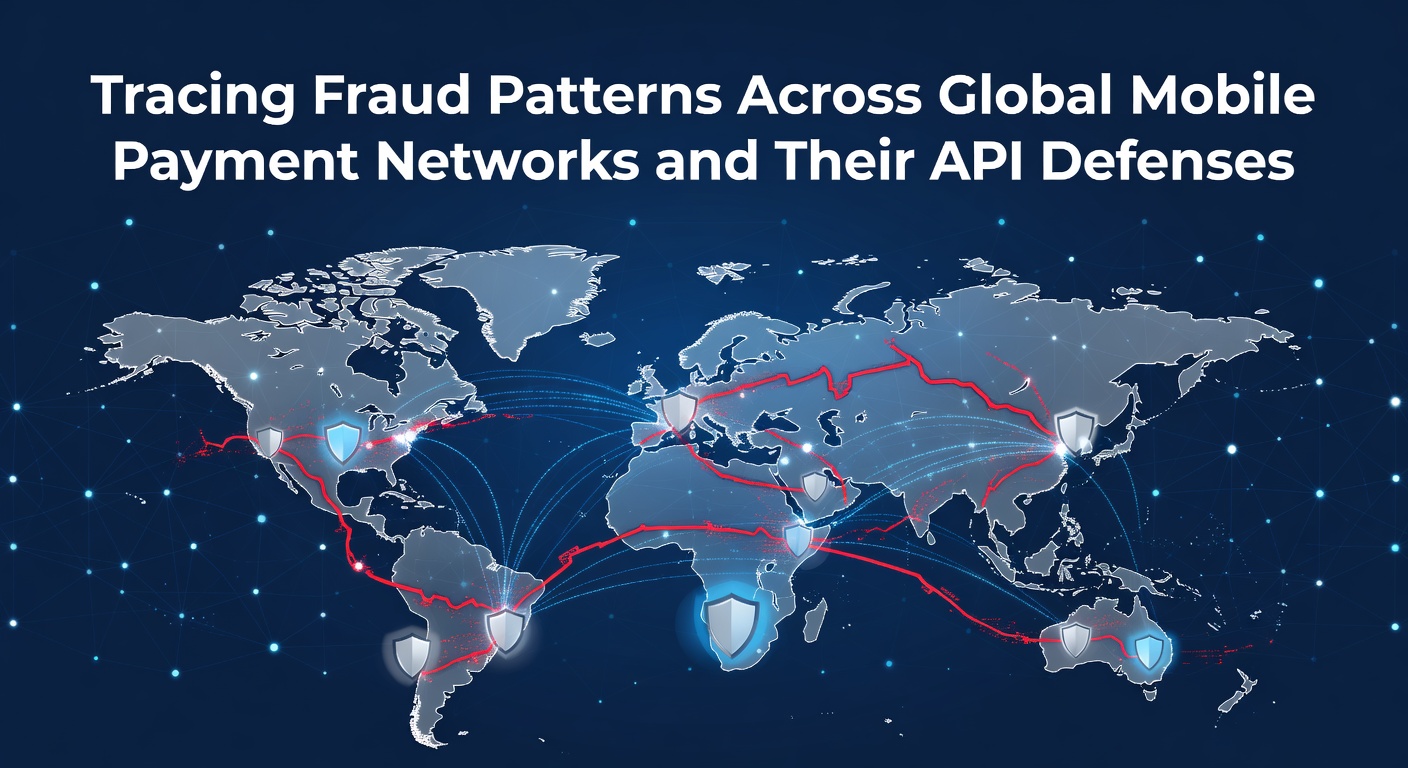
Global mobile payment networks have expanded rapidly since the early 2020s, connecting users across continents through APIs that process billions of transactions daily, and researchers have documented distinct fraud patterns that emerge when these systems interact with diverse regulatory environments. Data from the Bank for International Settlements shows transaction volumes in emerging markets grew by over 40 percent between 2023 and 2025, creating new entry points for organized schemes that exploit latency differences between regions.
One pattern that stands out involves account takeover sequences where fraudsters test stolen credentials across multiple mobile wallets within minutes, moving funds through layered API calls that mimic legitimate user behavior, while another involves synthetic identity creation that combines fragments of real and fabricated data to open accounts on platforms operating under lighter verification rules in certain jurisdictions.
Mapping Cross-Border Fraud Vectors
Analysts at institutions monitoring payment flows note that fraud clusters often originate in one region and propagate through partner APIs in another, with June 2026 projections from the European Central Bank indicating a 15 percent rise in such cross-border attempts as real-time settlement becomes standard in more markets. These vectors rely on timing discrepancies between API response rates and local fraud monitoring thresholds, allowing small-value test transactions to slip through before larger withdrawals occur.
Observers tracking these movements point to the use of device spoofing tools that alter geolocation signals, enabling attackers to route requests through residential proxy networks rather than obvious data centers. Studies published by academic teams at institutions in Canada and Australia have mapped how these spoofed sessions cluster around peak shopping hours in target countries, producing recognizable temporal signatures even when the underlying IP addresses change frequently.
API-Level Detection Mechanisms
Modern API defenses incorporate behavioral analytics that compare each incoming request against historical patterns for the same device fingerprint and user profile, flagging anomalies such as sudden changes in transaction velocity or unusual currency conversion requests. When these systems detect coordinated activity across multiple accounts, they trigger graduated responses ranging from step-up authentication to temporary API throttling that slows further attempts without blocking legitimate traffic.
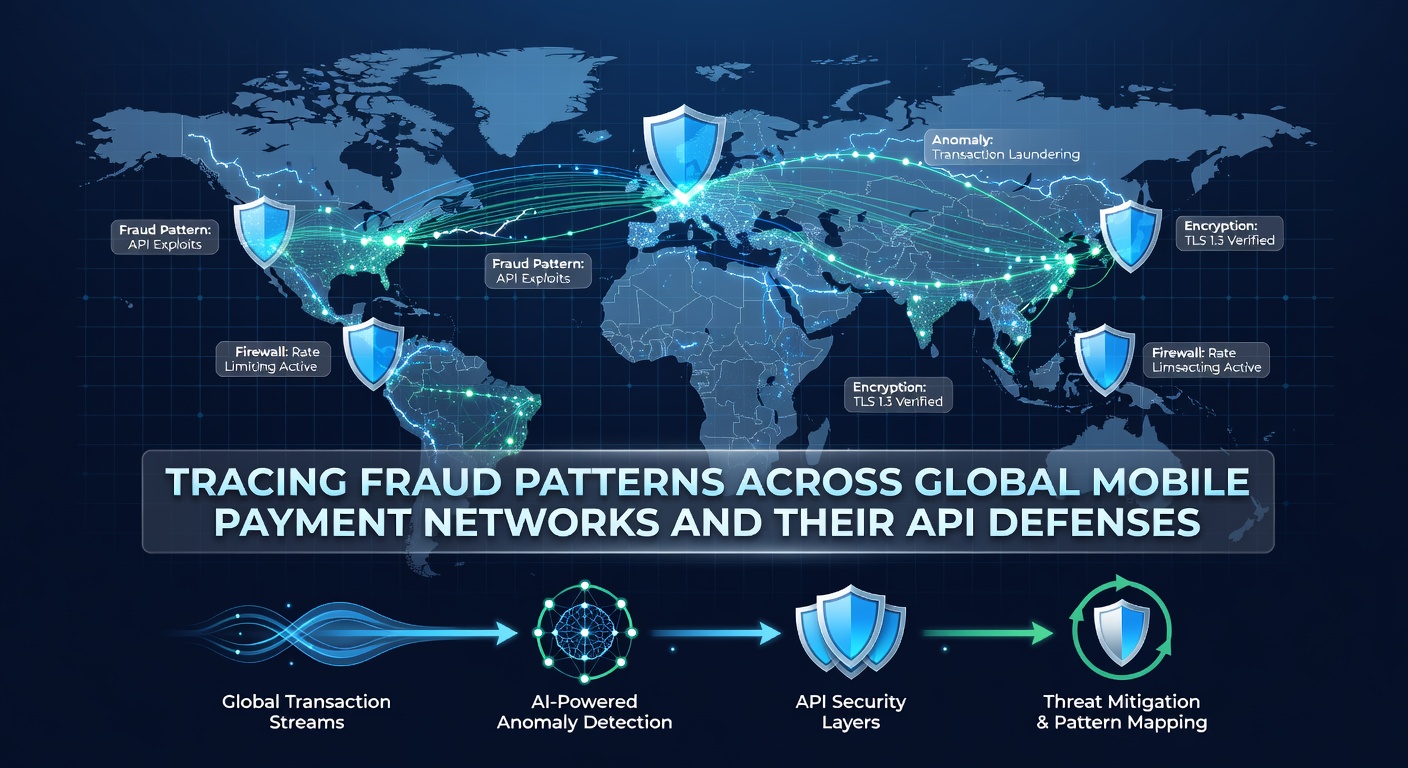
Integration with machine learning models trained on global datasets allows these defenses to recognize emerging variants of known schemes within hours rather than days, and regulators in the United States and Singapore have begun requiring operators to share anonymized fraud signals through secure channels that preserve commercial confidentiality while accelerating collective response times. The result is a distributed defense network where one provider's detection of a new pattern can inform others before the same technique spreads further.
Regional Regulatory Influences on Defense Design
Differences in data protection rules affect how much transaction metadata can be shared between networks, forcing API architects to build modular compliance layers that adapt to local requirements without fragmenting the overall monitoring system. In practice this means some regions receive aggregated risk scores rather than raw behavioral data, yet the underlying pattern recognition remains consistent enough to maintain effectiveness across borders.
Those who have examined enforcement actions from multiple authorities observe that penalties for inadequate API security have increased steadily, prompting operators to invest in continuous testing environments that simulate attack scenarios drawn from real incidents recorded in the previous quarter. Such testing reveals gaps in rate-limiting logic and authentication token handling that might otherwise remain hidden until exploited.
Conclusion
Tracing fraud across global mobile payment networks requires combining granular API monitoring with broader intelligence sharing that respects regional constraints, and the mechanisms developed through 2026 continue to evolve in response to new attack surfaces created by faster settlement protocols and wider device integration. The patterns documented so far demonstrate that effective defense depends on recognizing both the technical signatures of individual transactions and the larger geographic flows that connect them.