Tracing Compliance Threads: Merchant Account Foundations Powering Fraud-Resistant Recurring Mobile Gateways
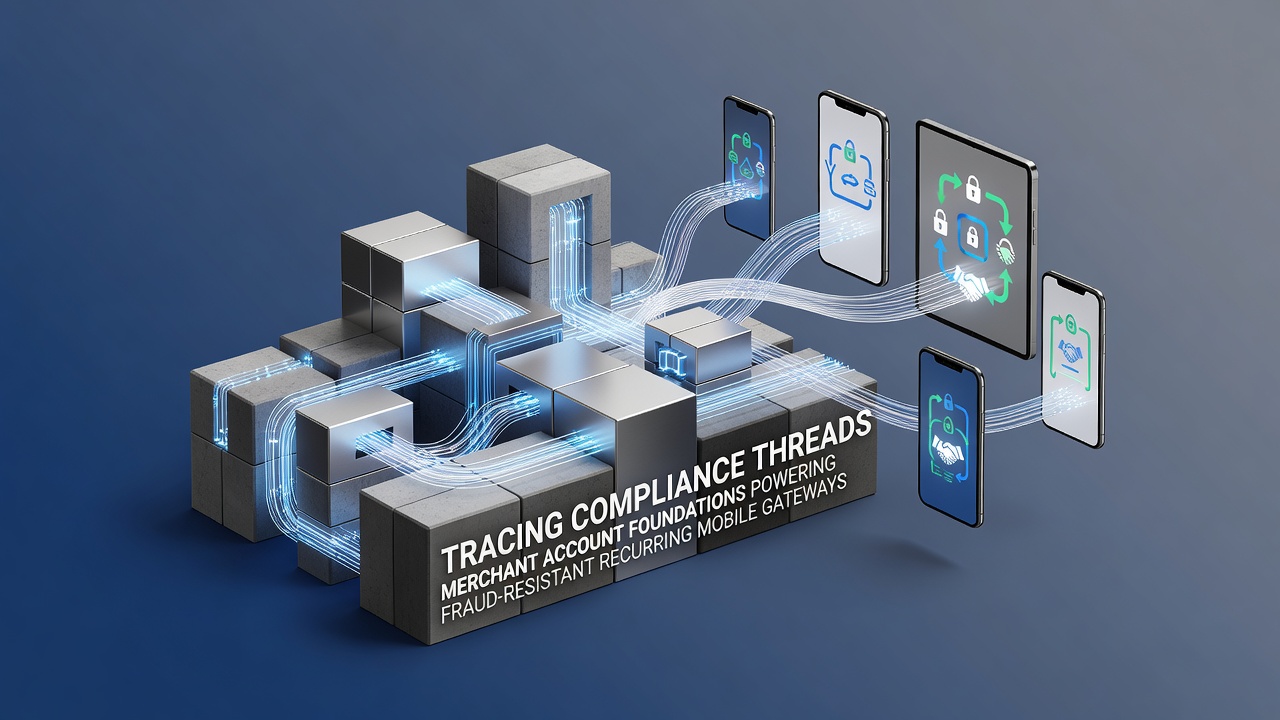
Merchant accounts form the backbone of recurring mobile payment systems, and compliance threads run through every layer from initial setup to ongoing transaction processing. Observers note that these foundations enable gateways to handle subscription billing while maintaining fraud resistance across mobile networks, and data from regulatory bodies continues to shape how providers structure their operations.
Merchant Account Structures in Mobile Ecosystems
Basic merchant account configurations establish the parameters for recurring billing cycles, while integration points connect directly to mobile gateways that process variable payment amounts on handheld devices. Research indicates that accounts configured with multi-layer verification protocols reduce unauthorized access attempts by establishing clear ownership trails before any funds move. Those who've examined these setups find that early-stage compliance documentation, including business verification and risk assessments, creates the reference points later used during audits or dispute resolutions.
Account providers often embed monitoring rules at the merchant level, and these rules travel through API connections to mobile endpoints where recurring charges originate. Figures reveal that accounts with pre-established velocity checks and geographic restrictions process high volumes of subscription payments without triggering excessive declines, and this balance supports both merchant revenue goals and consumer trust in mobile platforms.
Compliance Mapping Across Payment Networks
Compliance threads become visible when organizations trace how PCI DSS requirements intersect with mobile-specific security standards during recurring transaction flows. Experts have observed that merchant accounts must maintain continuous alignment with data protection mandates, and this alignment extends to every API call that initiates a mobile subscription charge. As of June 2026, updated reporting frameworks from the European Central Bank highlight how account-level controls contribute to network-wide fraud pattern identification across EU member states.
Mapping exercises typically start at the merchant account application stage and follow documentation requirements through gateway certification processes. Researchers discovered that gaps in these threads often appear during cross-border recurring payments, where currency conversion and tax compliance add additional verification layers that mobile systems must accommodate without interrupting billing cycles.
Fraud Resistance Mechanisms in Recurring Mobile Gateways
Gateway architectures incorporate account-derived compliance signals to evaluate each recurring authorization request in real time, and this evaluation draws on historical transaction data stored at the merchant level. People who've studied gateway performance note that accounts configured with tokenization support allow mobile devices to process payments without exposing card details on every cycle, which reduces exposure points across the transaction path.
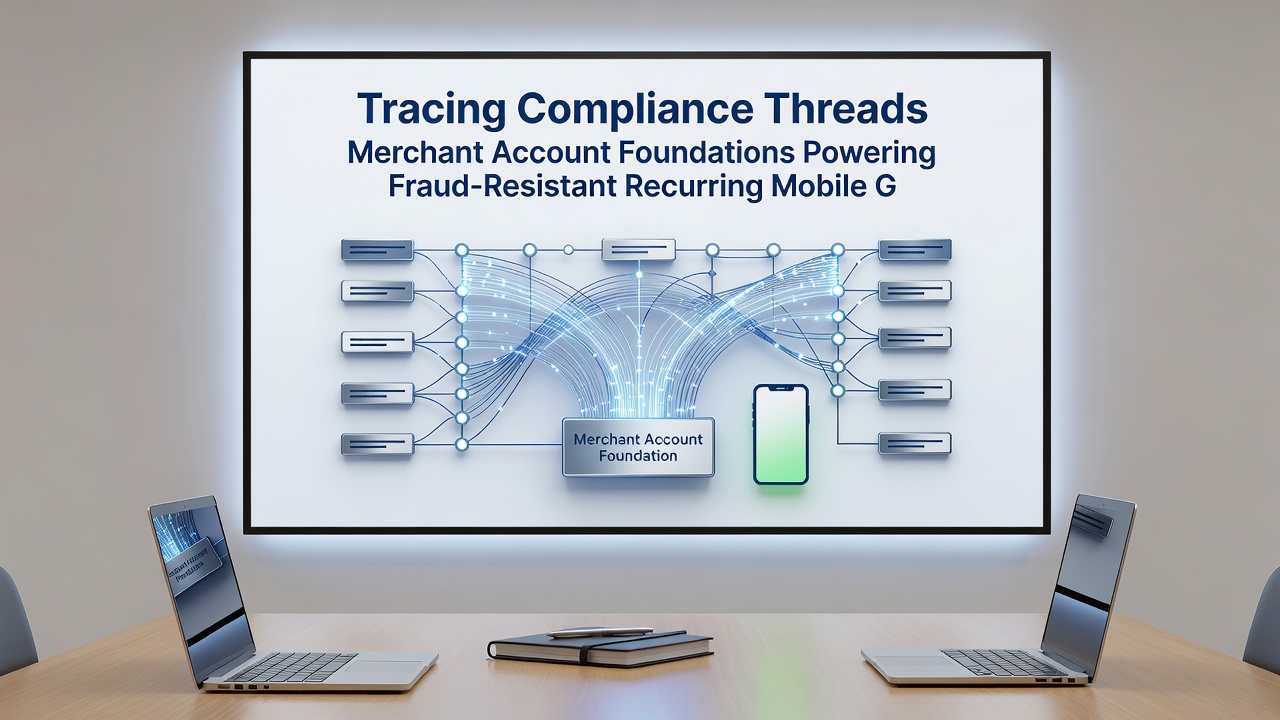
Behavioral analytics tied to merchant accounts help gateways distinguish legitimate subscription renewals from anomalous activity, and these analytics operate continuously rather than at isolated checkpoints. Data shows that accounts participating in shared fraud databases experience faster identification of compromised credentials when recurring patterns deviate from established norms, and this collective approach strengthens individual gateway defenses without requiring each merchant to build separate monitoring infrastructure.
API Connections Linking Accounts to Mobile Processing
API endpoints serve as the conduits that carry compliance information from merchant accounts into mobile gateway decision engines, and these connections must preserve data integrity across every recurring billing event. Industry reports indicate that accounts using standardized API frameworks achieve consistent compliance reporting because transaction metadata remains uniform regardless of the mobile operating system involved. Observers note that rate-limiting and authentication protocols at the API level prevent both external attacks and internal misuse that could compromise recurring payment streams.
Developers integrate account-specific rules into these APIs so that mobile gateways inherit the same fraud thresholds established during merchant onboarding, and this inheritance eliminates the need for redundant configuration at the device level. Studies from the Federal Reserve have documented how such integrated approaches reduce processing latency for high-frequency subscription models while maintaining the audit trails required for regulatory examinations.
International Compliance Considerations for Mobile Recurring Payments
Cross-border recurring payments introduce additional compliance threads because merchant accounts must satisfy requirements from multiple jurisdictions simultaneously. Those who've analyzed global networks find that accounts with modular compliance modules adapt more readily when new mobile markets open, and these modules adjust authorization flows based on local data residency rules without disrupting the core recurring billing logic.
Gateway providers that maintain relationships with accounts holding multi-region certifications report smoother onboarding for merchants expanding into new territories, and this expansion often coincides with updates to fraud detection parameters that reflect regional threat profiles. The reality is that maintaining these threads requires ongoing coordination between account managers, gateway operators, and regulatory bodies across different time zones and legal frameworks.
Conclusion
Merchant account foundations continue to determine how effectively recurring mobile gateways resist fraud while meeting compliance obligations, and the threads connecting these elements remain central to secure payment ecosystems. Organizations that trace these connections from initial setup through daily operations position themselves to adapt as mobile payment volumes and regulatory expectations evolve.