The Unseen Links: How PCI-Compliant Gateways Support Recurring Mobile Transactions Amidst Evolving Fraud Challenges in Merchant Ecosystems
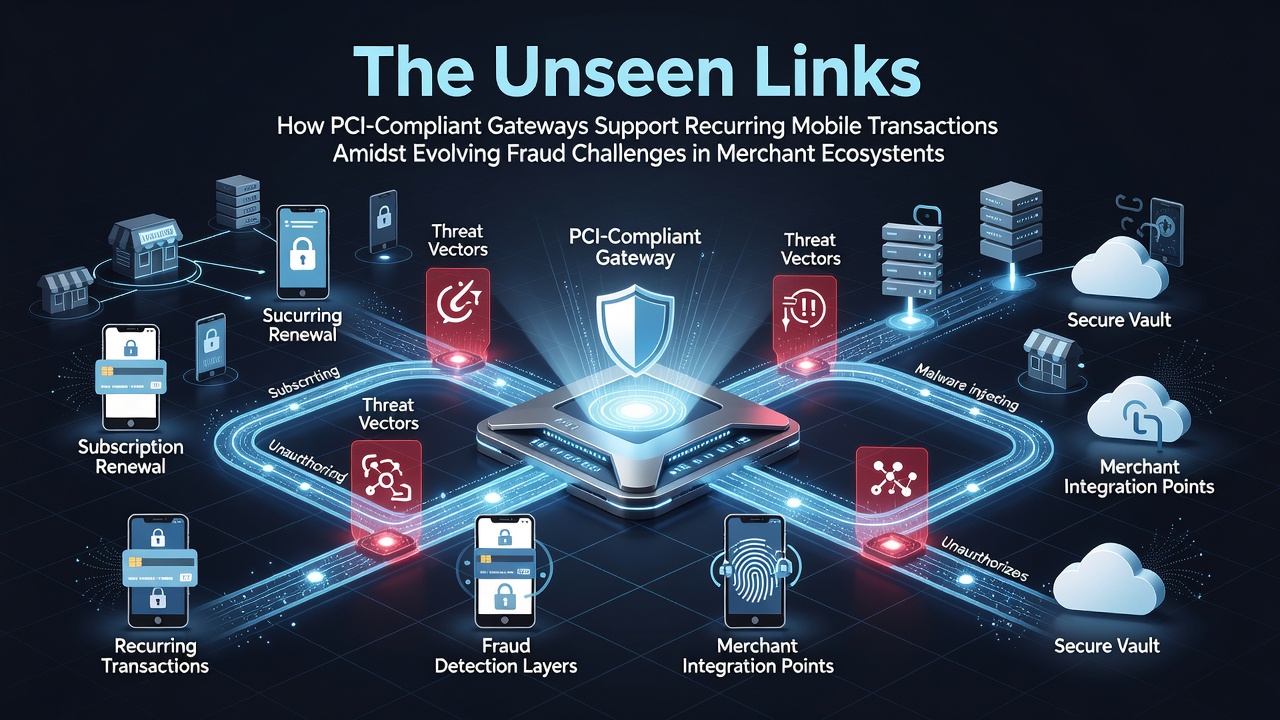
Payment ecosystems have grown increasingly complex as merchants expand recurring billing models across mobile platforms, and PCI-compliant gateways sit at the center of those operations. These gateways handle authorization, tokenization, and settlement for subscriptions that renew on fixed or variable cycles while maintaining compliance with the Payment Card Industry Data Security Standard. Research from industry bodies shows that tokenization replaces sensitive card data with unique identifiers that reduce exposure during each transaction cycle, and this approach has become standard practice for mobile recurring payments.
Merchants who process subscriptions through mobile apps face distinct operational demands because users expect seamless renewals without repeated authentication steps. Gateways that meet PCI requirements store payment credentials in encrypted vaults, then use those vaults to initiate subsequent charges without re-entering card details. According to the PCI Security Standards Council, organizations that maintain validated gateways demonstrate lower rates of data compromise compared with systems that store card information locally on devices or servers.
Core Functions of Compliant Gateways in Subscription Flows
Gateways perform several coordinated tasks that support recurring mobile transactions. They authenticate the initial payment, generate tokens, schedule future charges, and reconcile settlements across multiple billing periods. When a user subscribes through a mobile application, the gateway receives the card details once, encrypts them, and returns a token that the merchant system stores instead of the original data. Subsequent billing events then reference the token rather than the card number, which limits the merchant's PCI scope and reduces the attack surface available to fraudsters.
Variable-cycle billing adds another layer because merchants may adjust amounts based on usage, promotions, or regional pricing. Compliant gateways accommodate these adjustments through APIs that enforce authorization rules at each step while preserving the original token's validity. Observers note that this architecture allows merchants to scale subscription models across different regions without rebuilding payment infrastructure for each market.
Fraud Patterns Targeting Recurring Mobile Payments
Fraud attempts against recurring mobile transactions have shifted toward account takeover and synthetic identity schemes. Attackers who obtain stolen credentials attempt to change payment methods or billing addresses on active subscriptions, then redirect funds or goods. Data compiled in July 2026 indicates that mobile subscription fraud incidents rose notably in sectors such as digital content and software services, where automatic renewals create predictable cash flows that criminals seek to intercept.
Gateways counter these patterns by monitoring transaction velocity, device fingerprinting, and behavioral signals during each scheduled charge. When anomalies appear, the gateway can trigger step-up authentication or decline the transaction before funds move. Studies from payment research groups reveal that real-time scoring models integrated into compliant gateways catch a substantial portion of these attempts because they analyze patterns across millions of prior transactions rather than relying on static rules.
Integration Points That Strengthen Defenses
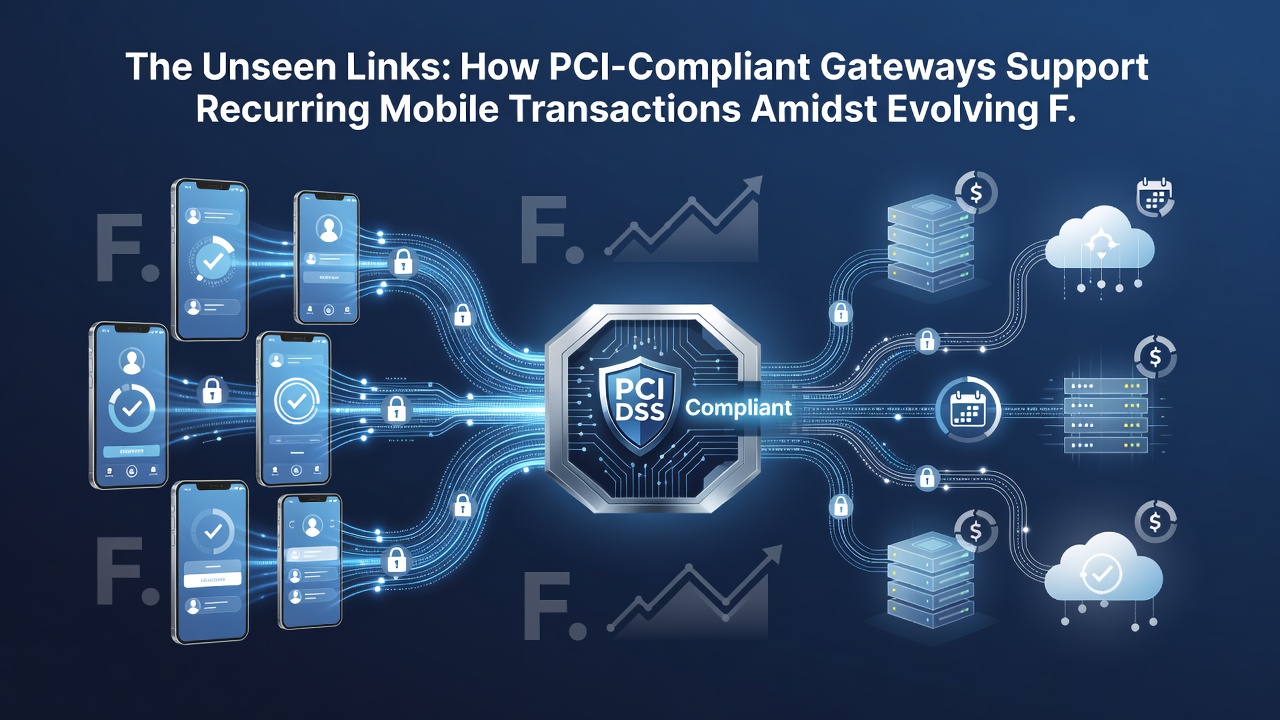
Merchant systems connect to gateways through APIs that embed compliance controls directly into the transaction pipeline. These integrations allow instant verification of cardholder data against issuer databases and enable dynamic declines when risk thresholds are exceeded. Experts have observed that merchants who embed gateway fraud tools into their mobile apps report fewer chargebacks because disputes are prevented at the authorization stage rather than handled after settlement.
Regional regulatory frameworks influence how these integrations operate. In Canada, for instance, guidance from the Office of the Superintendent of Financial Institutions emphasizes continuous monitoring of payment processors, while European authorities under the revised Payment Services Directive require strong customer authentication for recurring charges above certain thresholds. Merchants operating across borders therefore rely on gateways that adapt authentication flows to satisfy multiple jurisdictions within a single subscription lifecycle.
Token Lifecycle Management and Compliance Maintenance
Tokens issued by PCI-compliant gateways have defined lifecycles that include issuance, storage, rotation, and eventual expiration. When a card expires or a user updates payment information, the gateway updates the token without exposing the new card details to the merchant. This process keeps the merchant environment outside the scope of full PCI audits while still allowing uninterrupted recurring billing. Research indicates that organizations using token rotation experience fewer service interruptions during fraud investigations because compromised tokens can be replaced without canceling active subscriptions.
July 2026 updates to PCI DSS version 4.0 introduced stricter requirements for multi-factor authentication on administrative access to gateway consoles, which has prompted many merchants to revise internal access policies. Those changes have reduced the likelihood of insider-enabled fraud because administrative credentials now require additional verification layers beyond passwords.
Conclusion
PCI-compliant gateways form the operational backbone that allows recurring mobile transactions to proceed securely even as fraud tactics evolve. Through tokenization, real-time monitoring, and adaptable API integrations, these systems support subscription models while limiting data exposure and satisfying regulatory expectations across different regions. Merchants that maintain validated gateway connections continue to process recurring charges with reduced risk of compromise, and the ongoing refinement of compliance standards provides a structured response to emerging threats in mobile commerce.