The Backbone of Commerce: How Payment Processing Systems Operate
 Payment processing systems form the essential infrastructure that allows businesses to accept and complete customer transactions across multiple channels. These networks handle everything from initial card data capture at the point of sale to final fund transfers between financial institutions. Observers note that the process involves several distinct stages where authorization requests travel through secure gateways before reaching card networks or acquiring banks for approval. The authorization phase begins when a customer presents payment details and the merchant terminal or online checkout sends encrypted information to the payment processor. This request moves to the issuing bank which verifies available funds or credit limits then returns an approval or decline code within seconds. Researchers have documented that average response times in major networks now sit below two seconds during standard operating conditions according to industry performance metrics.
Clearing and Settlement Mechanisms
Once authorization succeeds the clearing process aggregates multiple approved transactions into batches that processors submit to card networks at scheduled intervals. Settlement follows when funds move from the issuing bank through the network to the merchant's acquiring bank and finally into the merchant account. Data indicates that most domestic transactions complete settlement within one to three business days while cross-border payments often require additional time due to currency conversion and intermediary banks.
Those who study these systems point out that batch processing reduces operational costs because individual transactions avoid separate network fees. A retailer processing hundreds of sales daily benefits from this approach as the system consolidates records and minimizes per-transaction overhead. Figures reveal that settlement volumes handled by major processors reached record levels in recent years with global card payments exceeding several trillion dollars annually.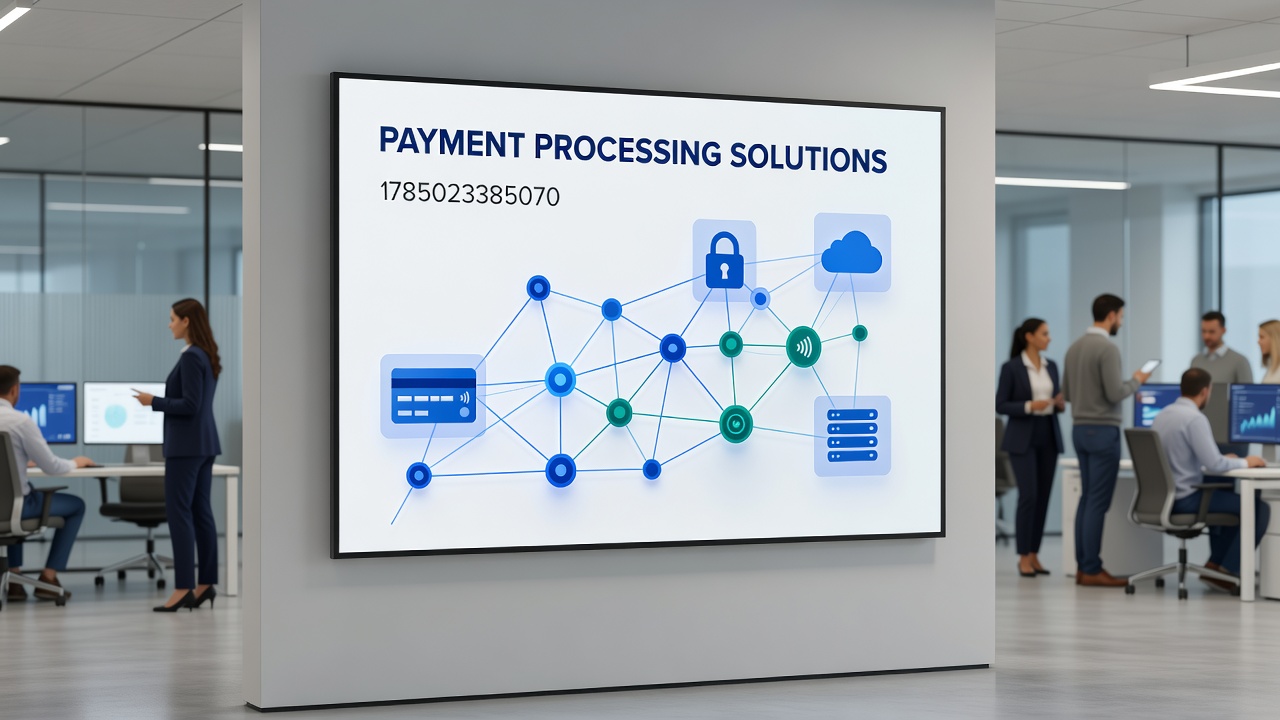
Merchant Account Integration and Network Connectivity
Businesses establish merchant accounts with acquiring banks or payment service providers that connect them to card networks such as Visa and Mastercard. These accounts serve as the operational link allowing merchants to receive funds after transaction approval. Experts observe that integration methods range from traditional dial-up terminals to modern cloud-based platforms that support multiple payment types including debit cards and digital wallets.
According to reports from the Federal Reserve payment system participants continue expanding connectivity options to accommodate growing transaction volumes. The reality is that reliable network uptime becomes critical during peak periods such as holiday shopping seasons when processors manage sudden spikes in activity without interruption.
Compliance Frameworks and Security Protocols
Payment processors must adhere to standards set by card networks and regulatory bodies to protect sensitive data. The Payment Card Industry Data Security Standard outlines requirements for encryption storage and access controls that apply across the entire transaction chain. Studies found that organizations maintaining consistent compliance audits experience fewer data incidents compared to those with gaps in their protocols.
European Central Bank guidelines emphasize similar protections for payment service providers operating within member states. Observers note that updates to these frameworks often align with technological shifts such as tokenization which replaces card numbers with unique identifiers to limit exposure during breaches.
Developments Expected by July 2026
Industry participants anticipate further alignment around ISO 20022 messaging standards which improve data richness in payment instructions. Several central banks including the Bank of Canada have scheduled full adoption milestones around mid-2026 to enhance interoperability between domestic and international systems. This transition allows richer remittance information to travel alongside payments reducing reconciliation errors for businesses handling global trade.
Research indicates that processors investing in updated infrastructure ahead of these deadlines gain operational advantages through faster message processing and reduced manual interventions. What's interesting is how these changes also support emerging payment methods without requiring complete overhauls of existing authorization pathways.
Conclusion
Payment processing solutions continue evolving to meet demands for speed reliability and regulatory alignment. The combination of authorization clearing settlement and compliance creates a resilient framework that supports commerce at every scale. Those who monitor these networks see steady progress toward more efficient cross-border capabilities and enhanced data standards that benefit merchants and consumers alike.