Support Networks as Key Defenders Against Fraud in Mobile Recurring Payment APIs
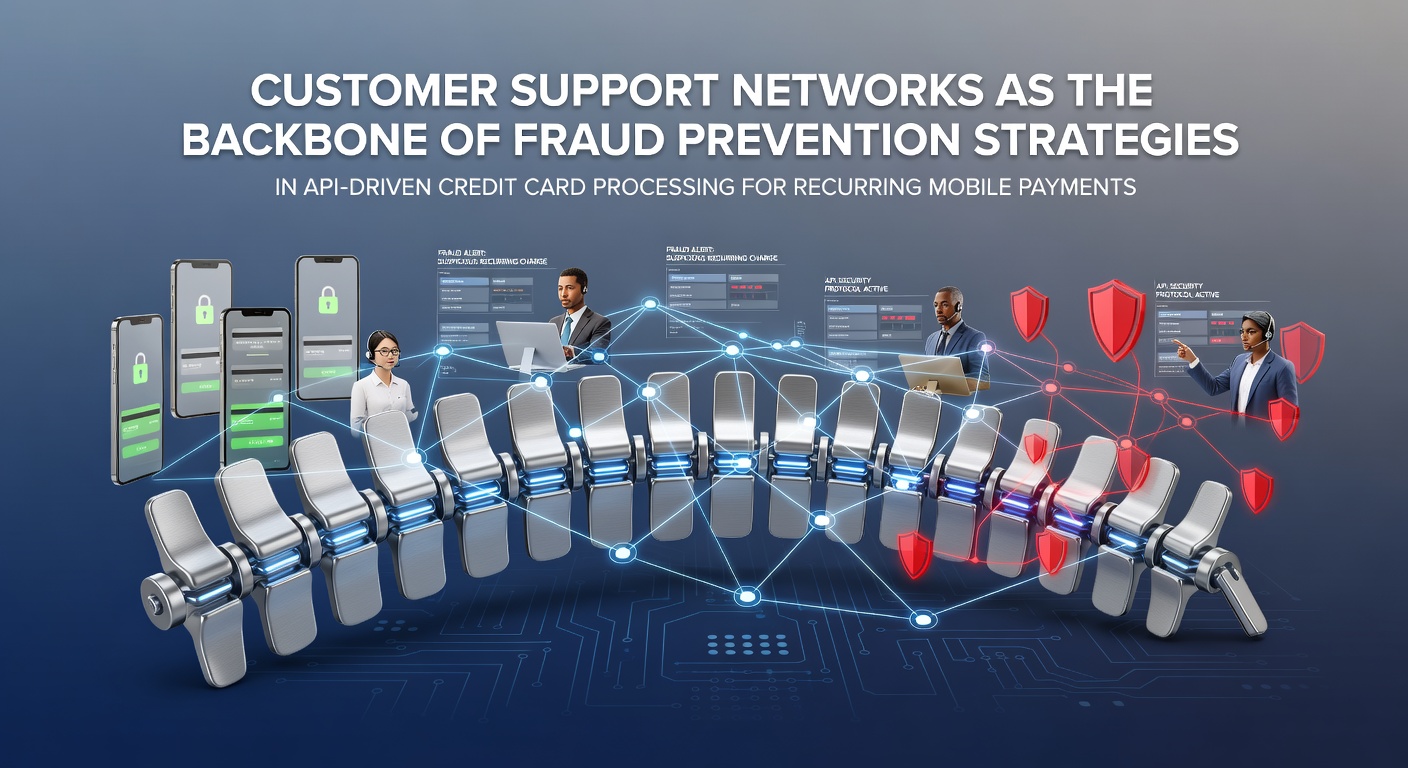
Customer support networks operate as essential components within fraud prevention frameworks for API-driven credit card processing of recurring mobile payments, where they handle verification tasks, flag suspicious patterns, and coordinate with automated systems to maintain transaction integrity. These networks connect human oversight with technical protocols, allowing processors to address issues that algorithms alone might miss in subscription-based billing cycles.
The Structure of API-Driven Recurring Mobile Payments
APIs facilitate seamless credit card transactions for recurring mobile payments by enabling developers to integrate billing schedules directly into applications, which supports automatic renewals for services ranging from streaming platforms to fitness apps. Data shows that such systems processed billions of transactions annually by early 2025, with growth continuing into 2026 as mobile adoption expanded across regions. In May 2026, several payment platforms began rolling out enhanced tokenization standards that required tighter coordination between API endpoints and support teams to validate user identities during subscription upgrades.
Recurring models rely on stored credentials, which creates exposure points where fraudsters attempt account takeovers through stolen card details or phishing attempts. Support personnel step in when transaction velocity spikes or when geographic mismatches appear in user data, providing an additional layer that reviews flagged activities before final authorization occurs.
How Support Networks Strengthen Fraud Controls
Support networks function through dedicated teams trained to interpret API response codes and escalate anomalies to compliance officers, while they also educate users on secure payment practices during routine interactions. Observers note that these teams reduce chargeback rates by confirming legitimate subscription changes directly with cardholders, a process that automated tools often cannot replicate with the same accuracy. Research from industry reports indicates that organizations with robust support integration experience up to 30 percent fewer disputed recurring charges compared to those relying solely on algorithmic detection.
Take one processor that implemented real-time chat support linked to its API dashboard, allowing agents to pause suspicious renewals while contacting the account owner through verified channels. This approach caught patterns such as multiple device logins from distant locations attempting to alter billing addresses, which helped prevent unauthorized access before funds transferred. External data from the Federal Trade Commission highlights similar cases where early intervention by support staff limited losses in subscription fraud schemes.
Integration Points Between Support and API Systems
Modern APIs expose endpoints that push fraud alerts directly to support dashboards, enabling agents to review context such as IP history, device fingerprints, and prior transaction success rates in a single interface. This setup allows support networks to update risk profiles dynamically, feeding insights back into machine learning models that refine detection rules over time. Experts have observed that closed-loop feedback between human review and API logic improves accuracy rates, particularly for high-volume mobile billing where subscription pauses or plan changes trigger additional checks.
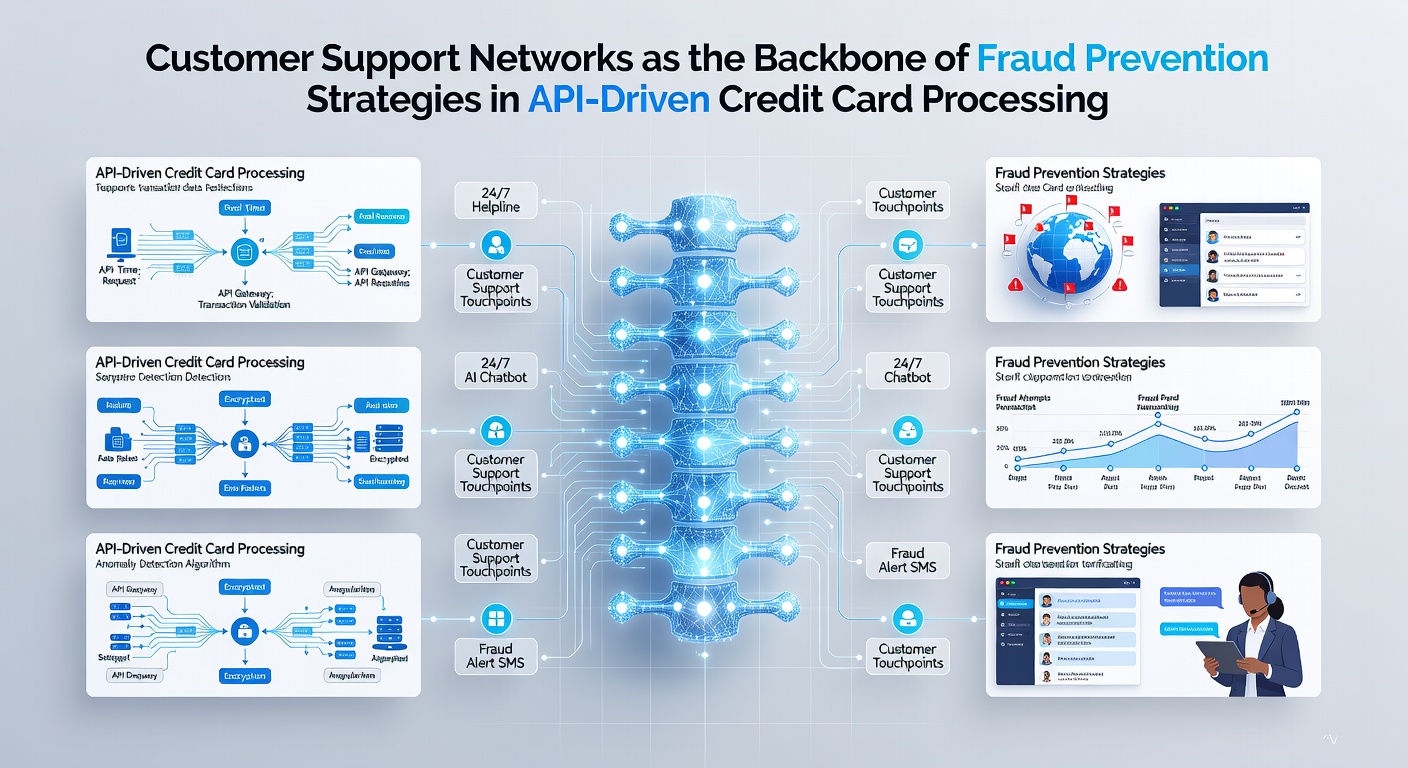
Support teams also manage dispute resolution workflows that comply with card network rules, documenting evidence of user consent for recurring charges to defend against chargebacks. In regions following updated standards from the European Central Bank, processors must retain detailed interaction logs that support staff compile during verification calls, ensuring audit trails remain intact for regulatory examinations.
Operational Challenges and Documented Responses
Scaling support networks to match API transaction volumes presents coordination hurdles, especially when peak subscription periods coincide with holiday shopping surges. Yet processors address these through tiered escalation protocols that route complex cases to specialists while routine verifications stay with frontline agents. Figures from payment industry analyses reveal that average resolution times for flagged recurring transactions dropped when support platforms gained direct API access for instant credential re-verification.
Training programs focus on recognizing social engineering tactics aimed at support channels themselves, since fraud attempts sometimes originate through customer service requests rather than direct API calls. One study revealed that organizations investing in scenario-based simulations saw measurable declines in successful account takeover attempts routed through support interactions.
Emerging Trends Through Mid-2026
By May 2026, several platforms incorporated biometric confirmation steps into support-assisted API flows, requiring users to complete facial scans during high-risk subscription modifications. This development built on earlier tokenization updates and aligned with guidelines from regulatory bodies in multiple jurisdictions. Support networks adapted by guiding users through these steps in real time, which reduced friction compared to fully automated alternatives that sometimes rejected legitimate attempts.
Data from the Australian Payments Network shows continued emphasis on multi-factor elements within recurring mobile setups, where support oversight helps maintain user trust while tightening security parameters. These practices demonstrate how human elements complement technical safeguards without slowing core processing speeds.
Conclusion
Customer support networks continue to serve as integral partners in fraud prevention strategies for API-driven recurring mobile payments, bridging gaps between automated detection and real-world transaction nuances. Their role expands alongside evolving API capabilities, incorporating new verification methods and feedback mechanisms that strengthen overall system resilience. Processors that maintain these connections position themselves to handle increasing transaction volumes while meeting compliance expectations across global markets.