Secure Subscription Ecosystems: The Role of Mobile Tech and Support in Processing Dynamics
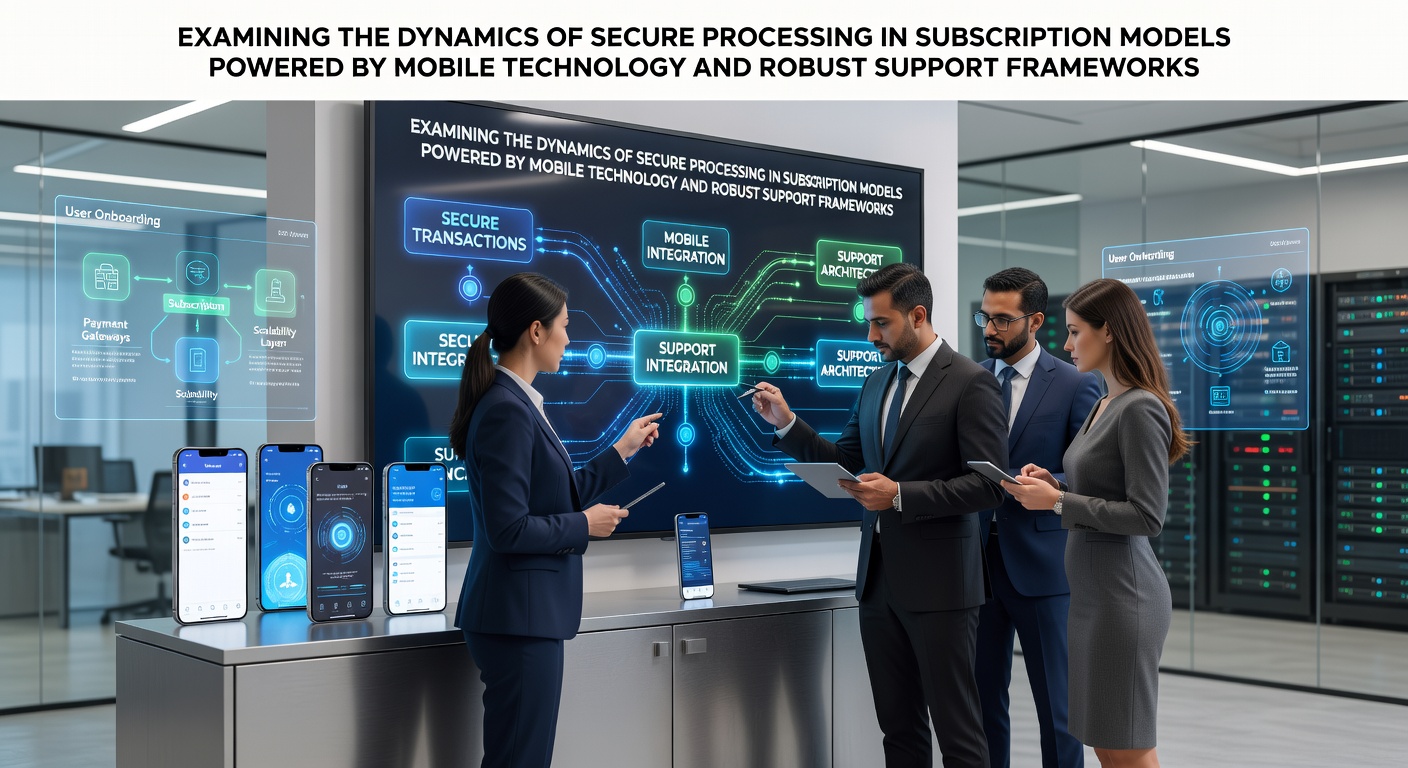
Subscription services have expanded rapidly across digital platforms, and observers note how mobile technology now drives much of the secure processing that keeps these models operational, while robust support frameworks handle the ongoing coordination between users, providers, and compliance layers. Data from industry reports shows that mobile-initiated subscriptions accounted for over 65 percent of new sign-ups in consumer services by early 2026, and researchers have tracked how encryption protocols embedded in device hardware allow transactions to complete without exposing sensitive details during transmission.
Companies integrate application programming interfaces that connect directly to carrier networks, and this setup lets billing cycles renew automatically while support systems monitor for irregularities in real time. Studies from academic institutions reveal that such integrations reduce processing latency by up to 40 percent compared with older desktop-only methods, because mobile operating systems push authentication requests through biometric checks rather than separate portals.
Core Components Driving Mobile Subscription Security
Tokenization forms one foundation of these operations, where unique identifiers replace card details at the point of capture, and mobile devices store these tokens in isolated secure elements that cannot be accessed by third-party apps. Support frameworks then layer automated alerts that notify both subscribers and service teams if usage patterns shift beyond established thresholds, which helps maintain continuity without manual intervention in most cases.
European Union regulators updated digital services guidelines in late 2025 to emphasize end-to-end encryption requirements for recurring mobile transactions, and compliance teams now embed these rules into app updates that roll out globally. Observers point out that Australian and Canadian frameworks have adopted similar token standards around the same period, creating a more unified approach that service providers follow when expanding across borders.
Support Frameworks and Their Integration Points
Robust assistance networks operate through a combination of AI-driven chat interfaces and human escalation paths, and these elements activate whenever a subscription encounters authorization delays or device compatibility issues. Research indicates that organizations deploying 24-hour monitoring dashboards see faster resolution times because data from mobile sensors feeds directly into support queues.
One documented case involved a streaming platform that linked its mobile billing engine to regional support centers in North America and Asia, allowing technicians to address failed renewals within minutes rather than hours. The system cross-references location data from user devices with transaction logs, which helps isolate whether network congestion or account settings caused the interruption.
Emerging Patterns Observed in May 2026
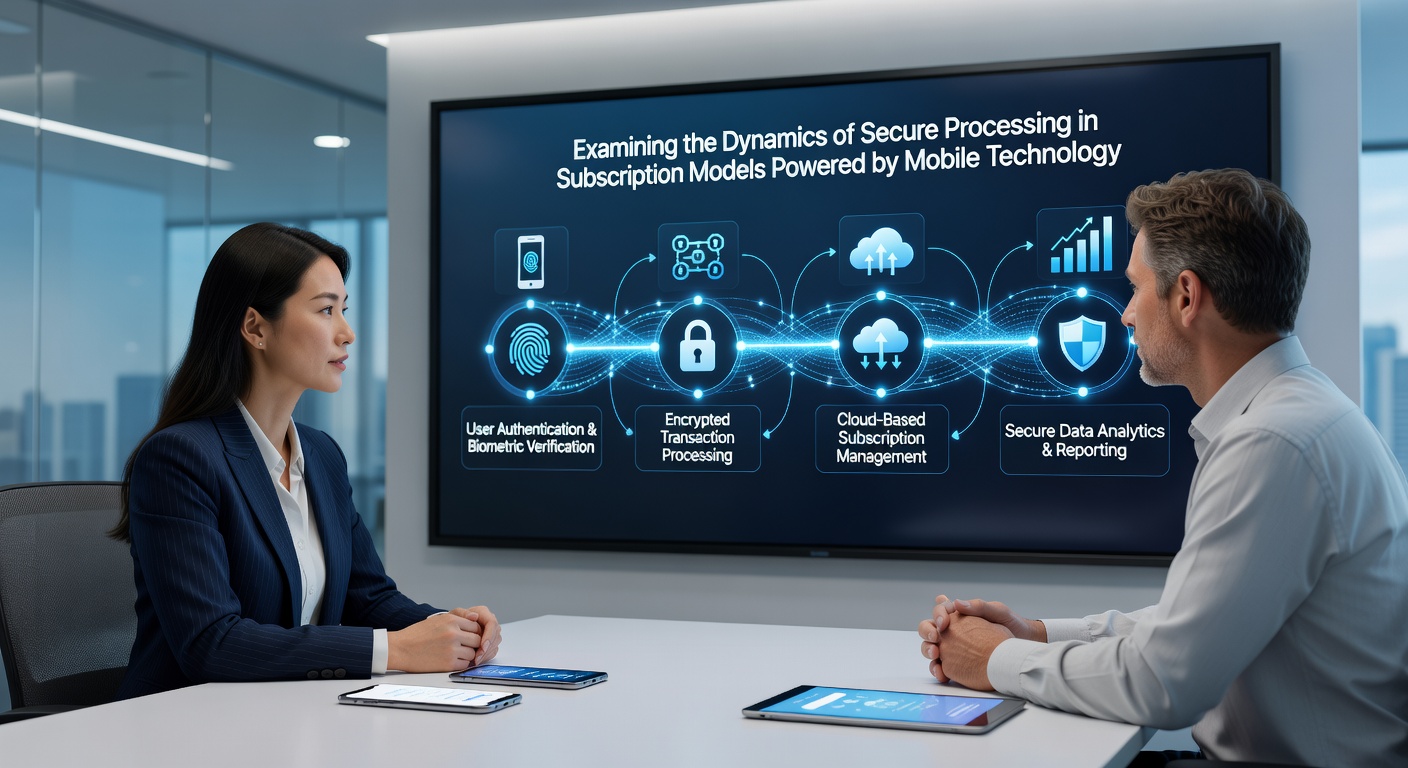
By May 2026 several major platforms began rolling out updated mobile SDKs that incorporate quantum-resistant algorithms for key exchange during subscription renewals, and early testing data shows these additions maintain backward compatibility with existing devices. Government agencies in multiple regions have started pilot programs that require service providers to submit anonymized processing metrics quarterly, which allows regulators to identify systemic vulnerabilities before they affect large user bases.
What's interesting is how these reporting requirements intersect with support frameworks that already collect performance indicators, creating shared datasets that both parties analyze without duplicating infrastructure. Figures from research papers published in the first quarter of 2026 highlight a 22 percent drop in unauthorized access attempts when mobile apps enforce periodic re-authentication tied to support-verified user behaviors.
Practical Examples Across Service Categories
Media streaming providers illustrate one application, where users subscribe through in-app purchases that trigger secure handshakes between the mobile device and backend servers, while dedicated support teams handle refund requests that arise from billing disputes. Software-as-a-service platforms follow a parallel path by embedding subscription management directly into mobile dashboards that display usage analytics alongside payment history.
Take one logistics company that shifted its client contracts to mobile subscription models in 2025, and the transition relied on support frameworks that synchronized delivery tracking data with billing cycles to prevent overcharges during service interruptions. Industry organizations such as the National Institute of Standards and Technology have published updated guidelines that encourage these synchronized approaches, and similar recommendations appear in reports from the OECD Digital Economy Outlook covering Asia-Pacific implementations.
Conclusion
The interplay between mobile technology and support frameworks continues to define how secure processing operates within subscription models, and ongoing refinements in encryption, monitoring, and cross-regional standards point toward further integration in the years ahead. Observers expect these systems to adapt as device capabilities advance and regulatory expectations evolve, maintaining operational stability across expanding user bases.