Safeguarding Subscriptions: Advanced Fraud Detection in Recurring E-Commerce Payments
Safeguarding Subscriptions: Advanced Fraud Detection in Recurring E-Commerce Payments
The Surge in Subscription Models and Emerging Fraud Risks
Subscription services have transformed e-commerce, powering everything from streaming platforms to meal kits and software tools; data from recent years shows this model generated over $1.5 trillion globally in 2025 alone, yet fraud losses tied to recurring payments climbed 25% year-over-year, according to industry trackers. Fraudsters target these setups because charges recur automatically, often slipping past basic checks; observers note that unauthorized renewals, account takeovers, and synthetic identities thrive in this environment, where a single compromised card can drain thousands before detection.
What's interesting is how subscription fraud differs from one-off transactions; while a stolen card might trigger an alert on a big purchase, small recurring debits fly under the radar, building up quietly until victims notice months later. Researchers at the U.S. Federal Trade Commission highlight that complaints about unwanted subscriptions surged 30% in 2025, with many involving fraud rings using virtual cards or bots to test validity before scaling attacks.
And here's where it gets tricky: as consumers embrace "subscribe and save" perks, merchants face pressure to minimize declines on legitimate charges while blocking fraud; balance that wrong, and revenue dips or chargebacks pile up, eroding trust in the process.
Common Fraud Tactics Targeting Recurring Revenue Streams
Fraud in subscriptions often starts subtle; take friendly fraud, where users dispute valid charges claiming error, or account takeover scams, where hackers use credential stuffing to hijack profiles and max out stored payment methods. Data indicates synthetic fraud, blending real and fake data to create ghost accounts, accounts for 15-20% of subscription losses, per reports from payment analytics firms.
- Card testing: Bots hit sites with low-value trials, weeding out live cards for bigger recurring hits.
- Triangulation: Scammers pose as merchants, collecting card details via fake sites before looping them into legit subscription flows.
- Negative option billing: Trials convert without clear consent, leading to disputes when users forget or feel misled.
Turns out, these tactics evolve fast; in early 2026, experts observed a spike in "subscription stuffing," where criminals layer micro-transactions across platforms, evading velocity checks that flag high-volume activity.
From Basic Rules to AI-Powered Defenses
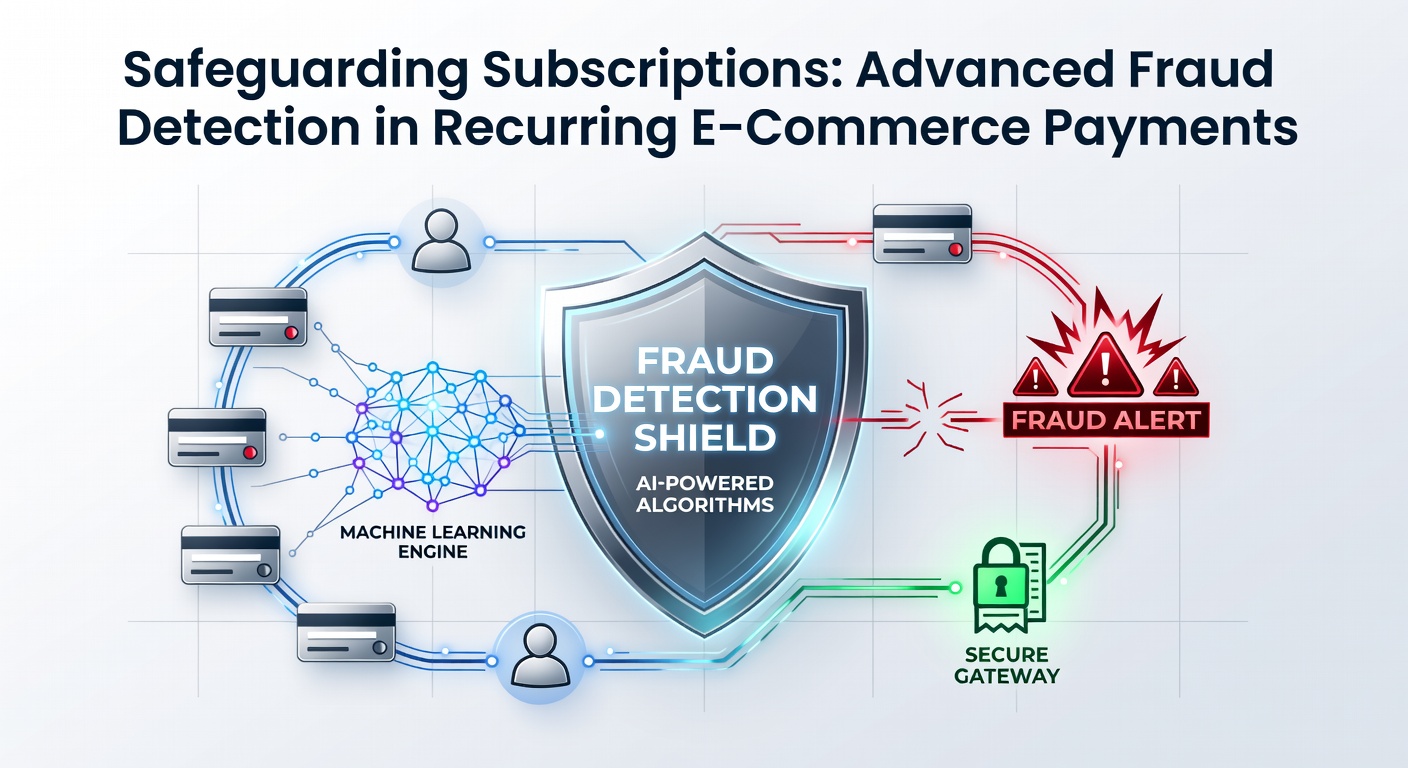
Traditional fraud tools relied on static rules—like blocking charges over $100 or from high-risk countries—but those falter against adaptive criminals; advanced systems now leverage machine learning models that analyze patterns in real time, scoring transactions based on device fingerprints, behavioral biometrics, and network graphs. Studies reveal these AI approaches cut false positives by up to 70%, letting more good payments through while nailing fraud.
Behavioral analysis stands out; it watches how users interact—swipe speed, mouse movements, even typing rhythms—flagging anomalies like a "user" charging from Brazil who normally shops in Canada. Network intelligence takes it further, linking accounts across merchants to spot rings; one firm reported dismantling a fraud operation in 2025 that hit 50 subscription sites by mapping shared IP clusters and email patterns.
But here's the thing: integration matters; payment gateways embed these tools at authorization, using tokenization to protect card data ongoing, so even if breached, recurring charges stay secure without exposing full details.
Real-World Deployments and Measurable Wins
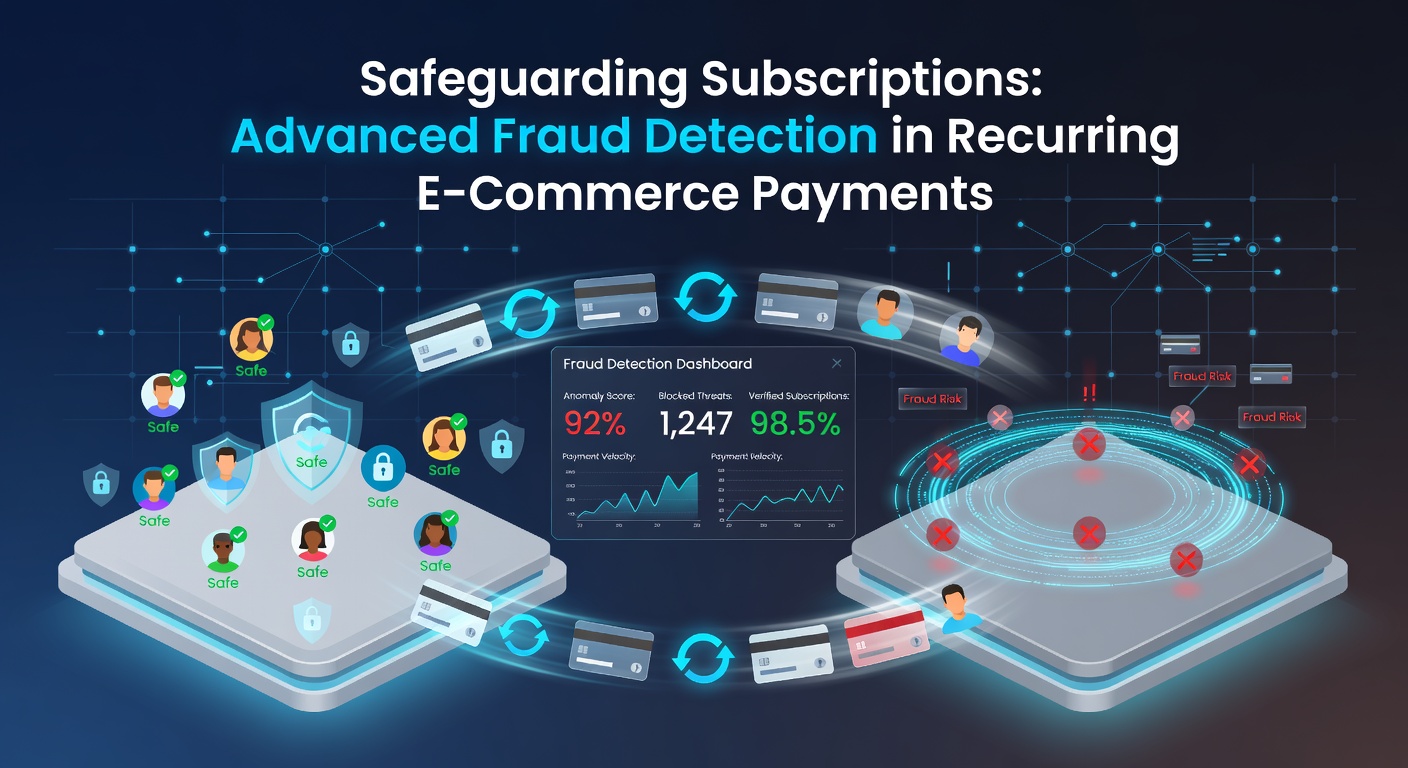
Take a streaming service that rolled out ML-based detection in 2024; false declines dropped 40%, while fraud rates halved, according to their case study, because the system learned from global user data, adapting to regional quirks like VPN usage in Europe. Another example comes from a fitness app chain; they combined device intelligence with geolocation velocity checks, stopping 85% of account takeovers before charges hit.
Figures from the Australian Competition and Consumer Commission underscore the impact; subscription scams cost Aussies $150 million in 2025, but platforms using advanced orchestration—routing risky payments to stepped-up auth—saw disputes fall sharply. Observers point out that 3D Secure 2.0 protocols, mandating biometrics for high-risk recurring charges, boosted approval rates without inflating fraud.
It's noteworthy how consortiums share threat intel; groups like the PCI Security Standards Council facilitate this, enabling merchants to blacklist known bad actors across networks, a move that thwarted a major carding ring targeting U.S. SaaS subscriptions last year.
Regulatory Shifts and Compliance Imperatives
Regulators worldwide tighten grips on recurring payments; the EU's PSD3 framework, effective mid-2026, demands dynamic linking for subscriptions, tying authorizations to ongoing consent checks, while U.S. states like California enforce clearer trial disclosures under updated consumer laws. Data shows compliant firms using advanced detection avoid fines that reached $200 million industry-wide in 2025.
Yet compliance alone doesn't suffice; it pairs with tech like graph databases that map fraud webs, revealing connections humans miss. As of April 2026, reports from payment processors indicate a 18% uptick in adoption of these tools, driven by NACHA rules in the U.S. mandating better ACH fraud monitoring for recurring debits.
Future Horizons: What's Next for Fraud Fighters
Looking ahead, quantum-resistant encryption looms as cards go contactless everywhere, and federated learning lets models train across datasets without sharing sensitive info; experts predict this slashes cross-border fraud by 50% by 2028. Blockchain-based ledgers for subscriptions emerge too, offering immutable audit trails that make disputes ironclad.
People who've studied this space know edge computing will process decisions at the device level, cutting latency on mobile subs; one pilot in Asia tested this, blocking 92% of fraud pre-network. And with IoT subscriptions rising—think smart fridges auto-ordering—these defenses must scale to billions of micro-payments daily.
So, while threats morph, tools evolve faster; the reality is, merchants blending AI, regs, and intel stay ahead, turning subscriptions from fraud magnets into revenue fortresses.
Conclusion
Advanced fraud detection reshapes recurring e-commerce, arming merchants against evolving scams through smarter tech and shared vigilance; data confirms lower losses, higher approvals, and sustained growth in this trillion-dollar arena. Those who layer these defenses— from ML scoring to regulatory alignment—secure not just payments, but the trust fueling subscription success; as April 2026 unfolds with fresh threats, the tools stand ready, proving vigilance pays dividends.