Round-the-Clock Assistance Availability Strengthening Defenses Across Digital Payment Networks
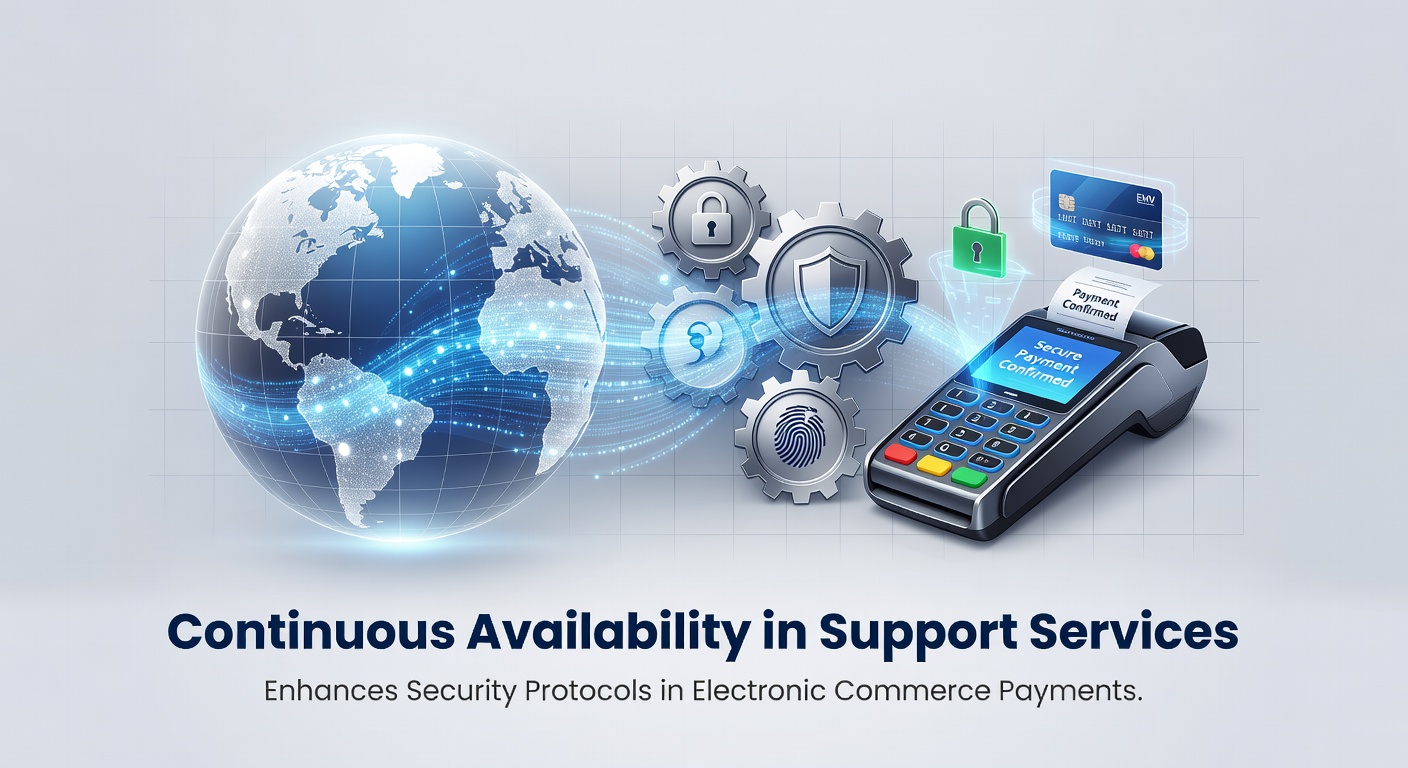
Electronic commerce payments rely on layered security measures that must function without interruption, and continuous availability in support services plays a central role in keeping those layers effective. Support teams operating around the clock monitor transaction streams, respond to anomalies as they appear, and coordinate with automated fraud detection systems to limit exposure during high-volume periods. Data released in May 2026 by several industry analysts shows that merchants maintaining 24/7 assistance recorded measurably shorter response times to suspicious activity compared with operations limited to standard business hours.
Security protocols such as real-time authentication checks, tokenization, and encryption key rotation benefit directly from this persistent oversight. When an alert triggers outside normal hours, available personnel can validate the event, isolate affected accounts, and initiate remediation steps before losses accumulate. Researchers tracking payment platforms across multiple regions note that the presence of on-call specialists correlates with fewer successful account takeovers, because threats receive attention while they are still developing rather than after the fact.
How Persistent Support Integrates with Existing Security Layers
Payment gateways already employ machine-learning models that flag unusual patterns, yet these models require human judgment to distinguish legitimate spikes from coordinated attacks. Continuous support availability supplies that judgment without delay. Specialists review flagged transactions, contact cardholders when necessary, and adjust rule sets on the fly, which keeps false positives from eroding customer trust while preserving protection against genuine fraud.
Compliance frameworks such as PCI DSS further emphasize the need for documented incident response procedures that operate continuously. Organizations audited against these standards must demonstrate that qualified staff remain reachable at all times; failure to meet this expectation can result in remediation requirements or higher compliance costs. Observers at regulatory bodies across North America and Europe report that firms passing recent audits frequently cite dedicated overnight teams as a decisive factor in maintaining certification.
Operational Advantages During Peak and Off-Hour Windows
E-commerce volumes no longer follow predictable daytime patterns. Global shoppers place orders at every hour, and promotional events can generate sudden surges that coincide with reduced staffing in traditional models. Support personnel who remain online during these windows can scale verification processes, reroute traffic through backup processors, and maintain visibility into network health. Industry reports compiled through 2025 and into May 2026 indicate that platforms with uninterrupted coverage experienced lower abandonment rates when customers encountered security prompts late at night, because live agents resolved issues faster than automated systems alone.
One documented case involved a mid-sized retailer whose overnight team detected a credential-stuffing attempt originating from multiple jurisdictions. Within minutes the support staff collaborated with the fraud engine to block the originating IP ranges, notified acquiring banks, and preserved transaction logs for later forensic review. The incident produced no measurable financial loss, illustrating how availability translates into concrete risk reduction.
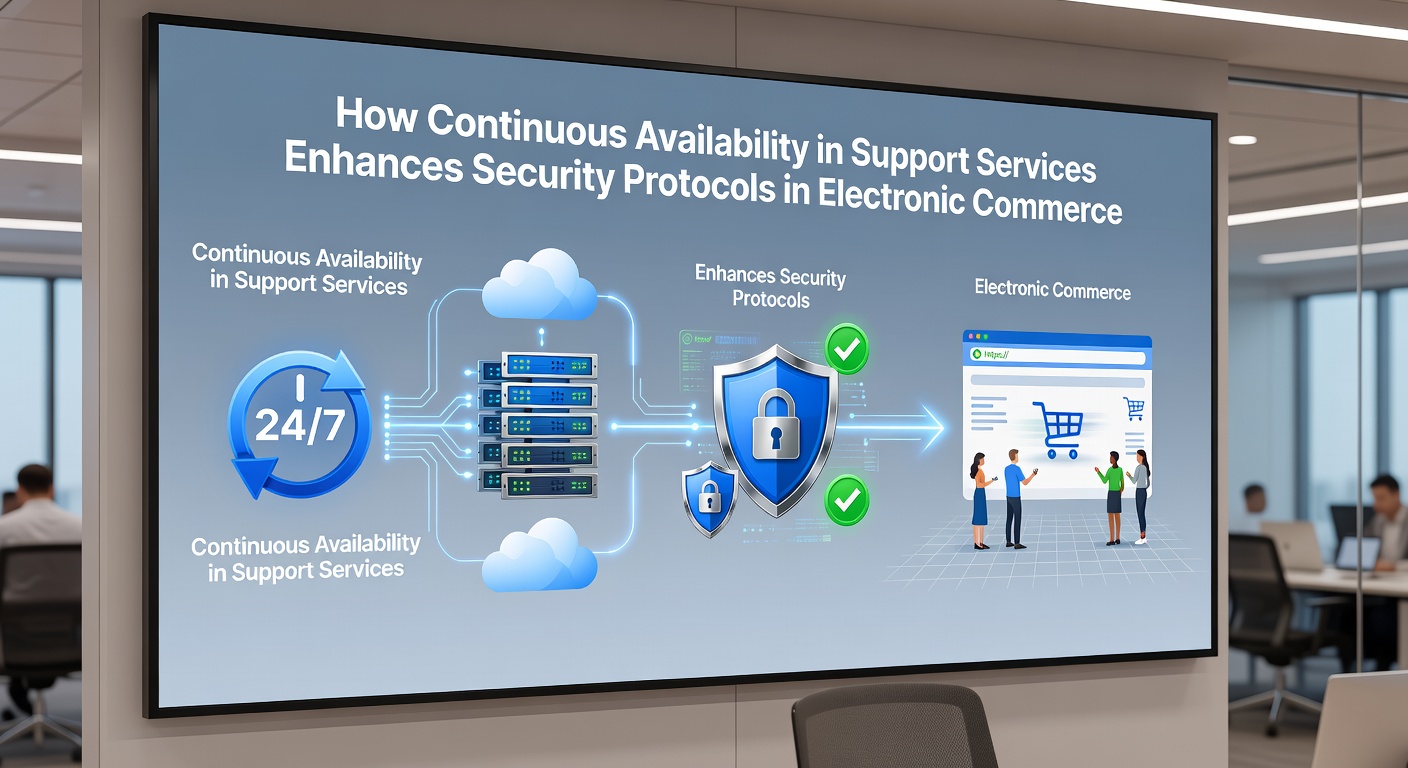
Coordination with Regulatory and Technical Updates
Payment security standards evolve regularly, and new guidance issued in early 2026 by the Bank for International Settlements highlighted the importance of resilient operational controls for cross-border transactions. Merchants that maintain continuous support can implement these updates promptly, test them during low-volume hours, and verify effectiveness before traffic increases. A parallel Federal Trade Commission analysis released the same spring examined consumer complaint data and found that organizations with extended support hours resolved disputes involving unauthorized charges more rapidly, reducing both regulatory scrutiny and reputational damage.
Technical teams also rely on this availability when deploying patches or rotating cryptographic keys. Maintenance windows scheduled during off-peak periods still require immediate rollback capability if anomalies surface, and on-site or remote specialists must be reachable to execute those rollbacks without exposing the platform to extended vulnerability.
Measuring the Impact Through Available Metrics
Key performance indicators used by payment processors include mean time to detect, mean time to respond, and mean time to recover. Continuous availability directly compresses each of these intervals. Studies published by academic research groups in 2025 and updated with preliminary 2026 figures demonstrate statistically significant reductions in breach duration among entities that staff support functions on a 24-hour basis. These reductions translate into lower chargeback ratios and more stable processing fees, because acquiring banks assign lower risk ratings to merchants that demonstrate strong operational resilience.
Conclusion
Continuous availability of support services supplies the human element required to keep automated security protocols responsive and compliant in electronic commerce environments. By shortening detection and response intervals, facilitating regulatory adherence, and sustaining service during global transaction peaks, these teams contribute measurable stability to payment ecosystems. Data gathered through May 2026 continues to show that organizations investing in round-the-clock coverage achieve more consistent protection outcomes than those operating under limited-hour models.