Protecting Dynamic Cycles in E-Commerce: The Role of Adaptive Compliance and Integrated Protocols
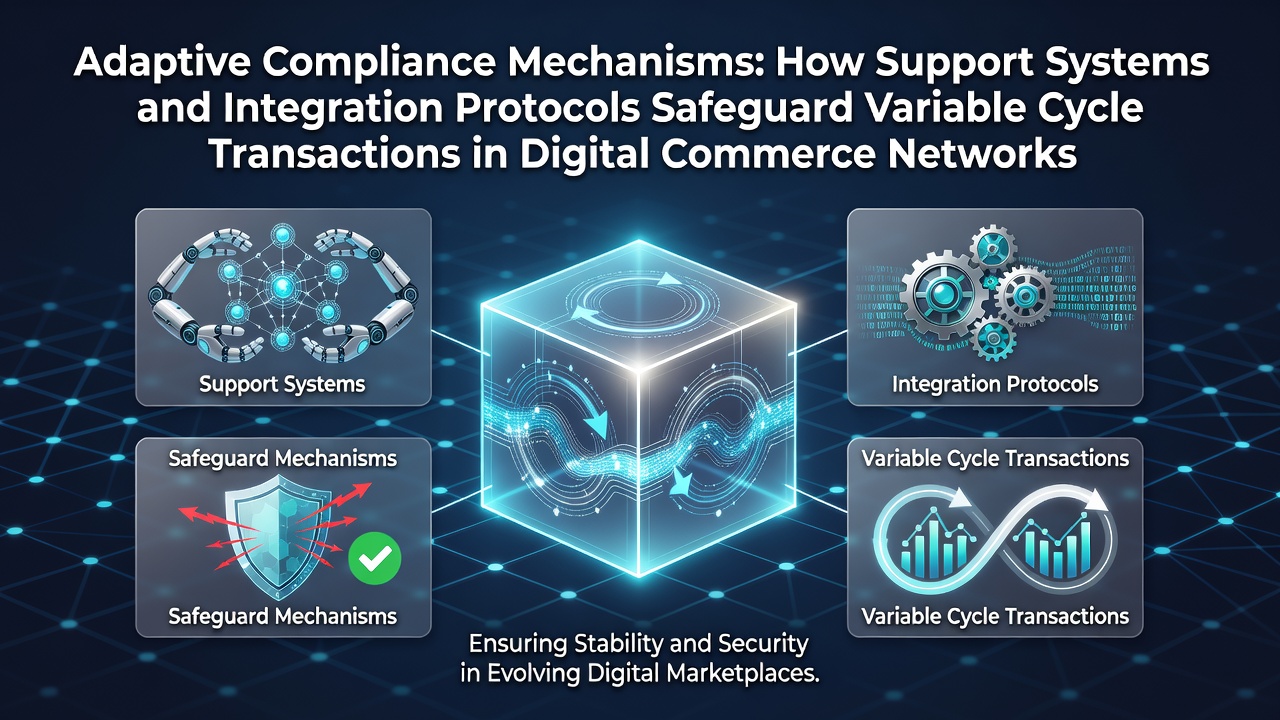
Digital commerce networks process transactions that vary in timing, amount, and frequency, which creates ongoing requirements for compliance systems that adjust in real time, and observers note that support systems combined with integration protocols form the backbone of these adjustments across global platforms.
Variable cycle transactions appear in multiple sectors where purchases do not follow fixed schedules, such as inventory restocking, service renewals triggered by usage thresholds, or cross-border shipments that change based on demand signals, and data from regulatory bodies indicate these patterns now represent a growing share of overall electronic volume in both business-to-business and business-to-consumer segments.
Core Elements of Adaptive Compliance
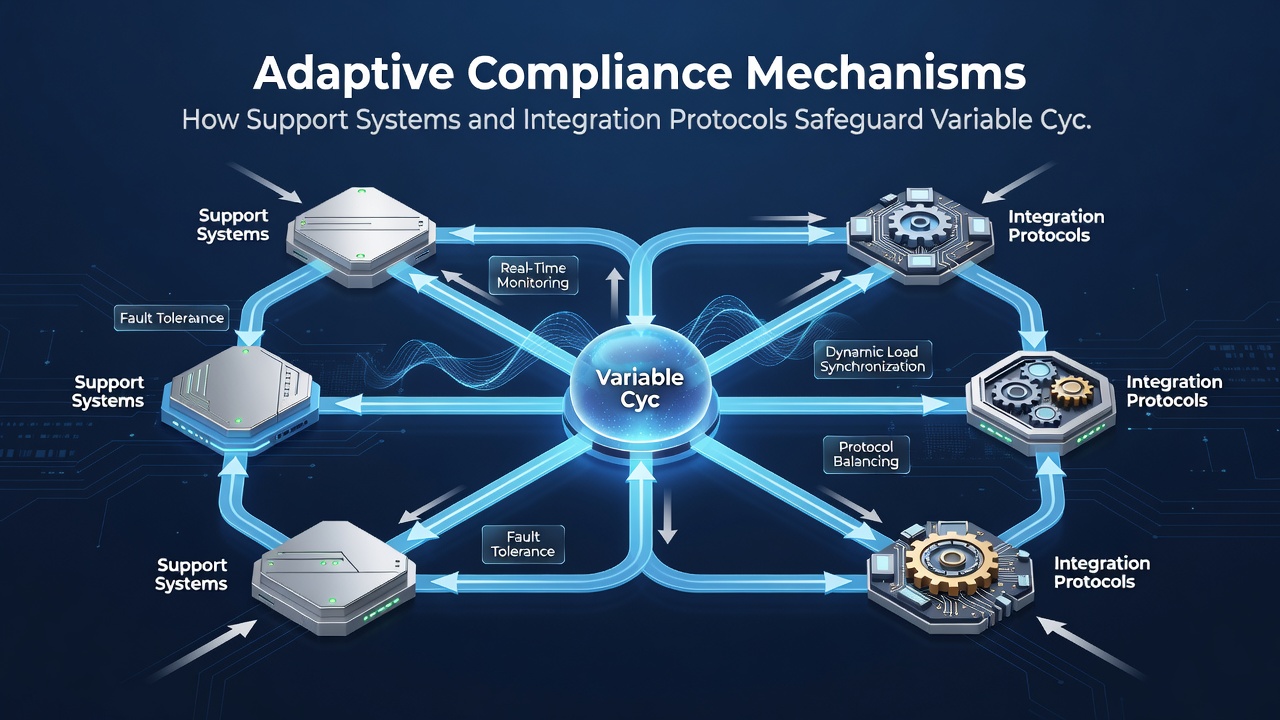
Adaptive compliance mechanisms rely on continuous monitoring layers that detect shifts in transaction parameters and trigger corresponding rule updates without manual intervention, while integration protocols ensure these detections connect directly to backend ledgers and reporting engines. Researchers at academic institutions have documented how such mechanisms reduce the time between anomaly identification and corrective action from hours to seconds in large-scale networks.
Support systems supply the human and automated oversight needed when protocols encounter edge cases that automated rules cannot resolve alone, and these systems operate through escalation paths that route complex queries to specialized teams equipped with region-specific regulatory knowledge. In practice this means a transaction flagged in one jurisdiction receives review informed by that area's latest guidance rather than a generic template applied uniformly.
Integration Protocols and Their Functions
Integration protocols standardize data exchange between merchant platforms, payment processors, and oversight databases, which allows variable cycle events to carry metadata about their compliance status from initiation through settlement. Standards organizations have published specifications that define required fields for cycle variability indicators, enabling downstream systems to apply appropriate controls automatically.
These protocols also incorporate version control so that updates to regulatory requirements propagate across connected networks without requiring separate code deployments at each endpoint, and figures released by government agencies show measurable decreases in compliance-related processing delays following widespread adoption of such standardized interfaces.
Support Systems in Operational Environments
Support networks function as the interpretive layer that translates raw protocol outputs into actionable decisions, and teams within these networks maintain access to live regulatory feeds from multiple jurisdictions. When a variable cycle transaction spans borders, support personnel coordinate with integration tools to apply the strictest applicable rule set while documenting the rationale for audit purposes.
Case examples from industry reports illustrate how dedicated support channels have resolved discrepancies that purely algorithmic systems initially misclassified, particularly when transaction patterns reflect legitimate seasonal or event-driven fluctuations rather than attempts to circumvent controls.
Developments Expected by July 2026
Regulatory calendars indicate that several jurisdictions plan to implement enhanced reporting requirements for variable cycle transactions by July 2026, which will require networks to demonstrate real-time adaptability in their compliance architectures. Integration protocol updates already in testing phases are designed to accommodate these forthcoming mandates by embedding additional verification checkpoints that activate based on transaction metadata thresholds.
Observers tracking these timelines note that organizations investing in combined support and protocol frameworks are positioned to meet the new obligations with fewer retrofits, because their existing systems already separate detection logic from enforcement logic in modular fashion.
Geographic and Sector Variations
Compliance approaches differ by region because local rules emphasize distinct aspects of transaction variability, yet integration protocols provide common technical foundations that accommodate these differences through configurable rule engines. European frameworks tend to stress consumer protection disclosures tied to variable pricing, whereas frameworks in other regions prioritize tax reporting tied to irregular settlement timing, and support teams maintain region-specific playbooks that align with each emphasis.
Industry associations have compiled comparative tables showing how the same underlying protocol set supports divergent regulatory priorities without requiring parallel infrastructure stacks, which reduces operational overhead for networks operating across multiple markets.
Conclusion
Adaptive compliance mechanisms succeed when support systems and integration protocols operate as coordinated components rather than isolated functions, and evidence from network performance metrics confirms that this coordination protects variable cycle transactions against both regulatory drift and operational friction. As requirements evolve through 2026 and beyond, the same structural pairing continues to supply the flexibility needed to maintain compliance across expanding digital commerce environments.