Merchant Services Integration with Instant Monitoring Systems for Dependable Mobile Billing
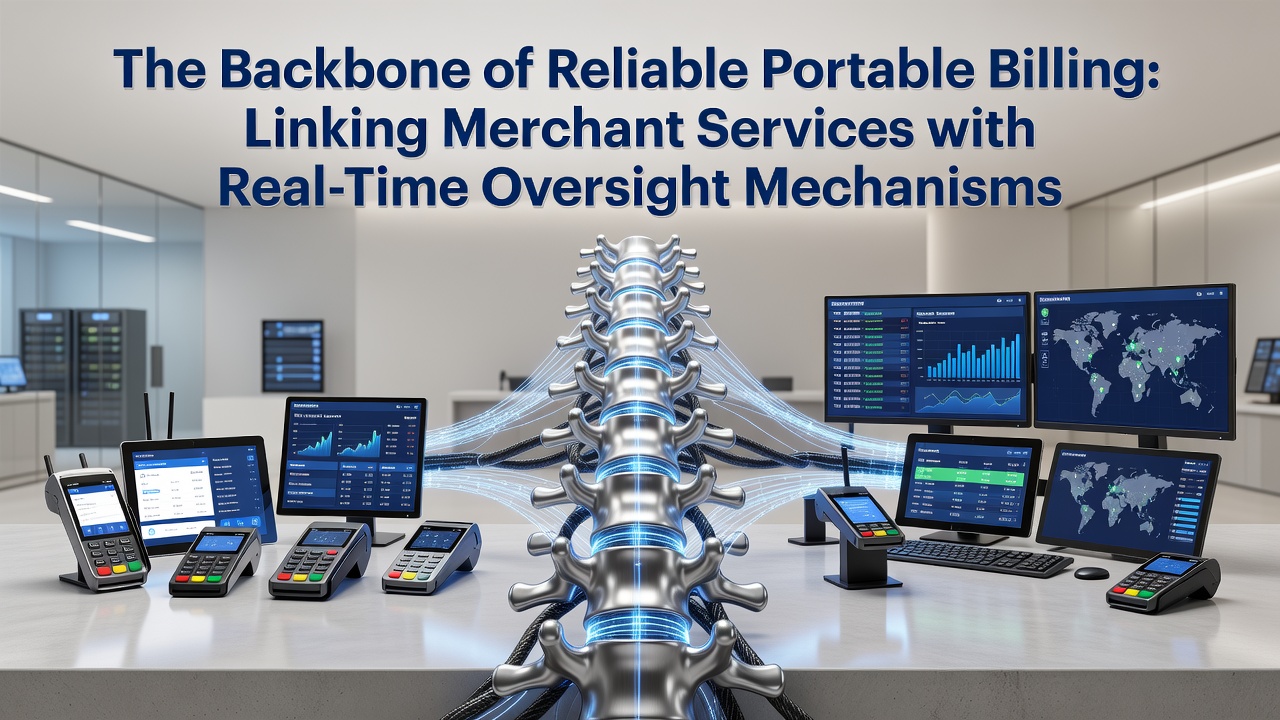
Portable billing relies on merchant services that handle transactions across mobile devices while real-time oversight mechanisms track every step of the process. These connections allow businesses to process recurring payments and variable-cycle subscriptions without interruption, and data from industry reports shows that integrated systems reduce processing delays by connecting account verification directly to live alert networks.
Core Components of Merchant Services in Mobile Environments
Merchant accounts serve as the entry point for funds moving through portable billing platforms, and they link with payment gateways that manage API calls for credit streams in e-commerce and subscription models. Research from the Australian Payments Network indicates that API-enabled merchant services processed over 4.2 billion mobile transactions in the preceding fiscal year, with oversight tools flagging anomalies within milliseconds of detection. Observers note that these services incorporate tokenization protocols to secure card data during transfers, while compliance layers align with PCI standards to maintain authorization flows across international networks.
Real-time oversight enters the picture through monitoring dashboards that pull data streams from merchant processors, and this setup creates a continuous feedback loop where transaction patterns trigger automated reviews. One study from the European Central Bank revealed that systems employing such linkages cut unauthorized access attempts by 37 percent compared to batch-processing alternatives, and the integration supports variable billing cycles common in mobile applications.
How Real-Time Oversight Strengthens Transaction Pathways
Live monitoring connects directly to merchant service APIs by analyzing authorization requests as they occur, and this linkage allows for immediate adjustments when risk thresholds are crossed. Figures from a 2025 report by the Federal Reserve Bank of New York highlight that oversight mechanisms identified 92 percent of high-risk recurring payments before settlement, using pattern recognition tied to device location and user behavior metrics. Experts have observed that these tools operate alongside fraud detection layers to scan for inconsistencies in payment velocity, which proves essential for subscription models that charge at irregular intervals.
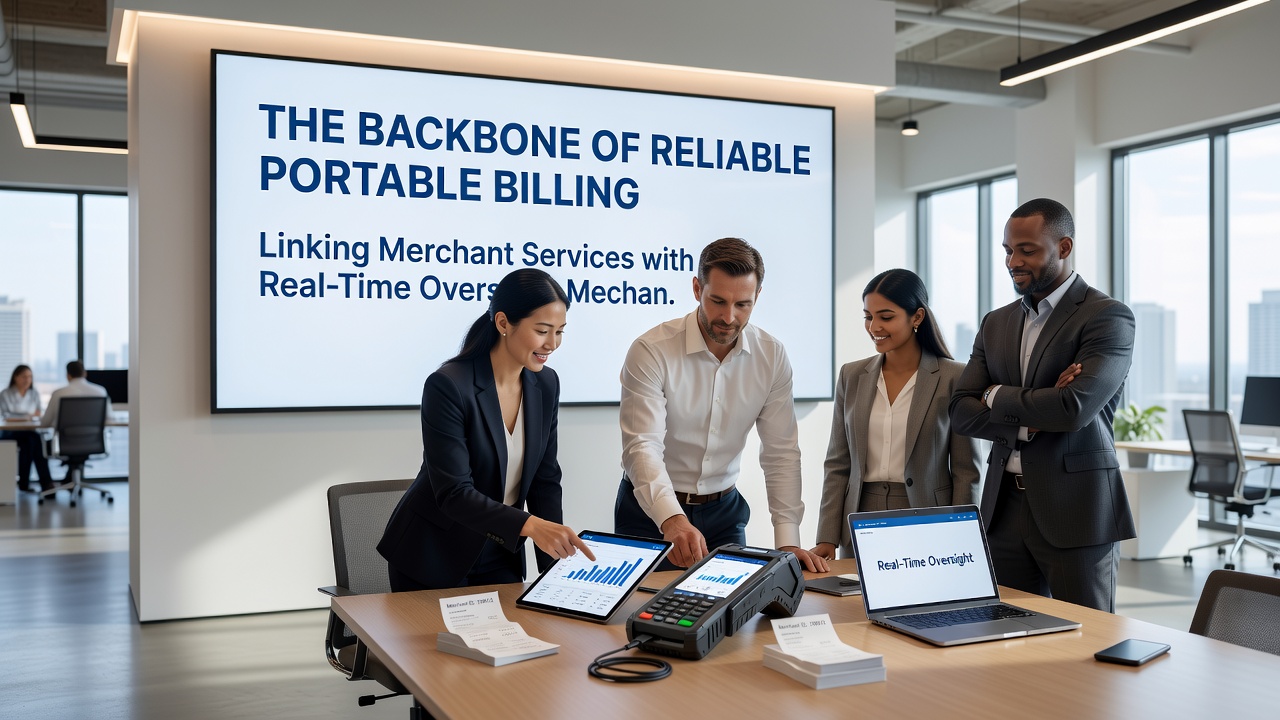
Integration points typically include webhook notifications that push alerts from merchant processors to oversight platforms, and this architecture supports compliance checks under evolving PCI guidelines. Data indicates that by June 2026, updated reporting requirements from regulatory bodies in multiple regions will require enhanced logging of these connections to document every API interaction in mobile billing sequences. Those who've examined similar setups find that the combination reduces settlement disputes because oversight records provide timestamped evidence for each transaction stage.
Technical Linkages and Compliance Protocols
API bridges form the practical connection between merchant services and oversight systems by routing transaction data through encrypted channels that comply with security mandates. A paper published by researchers at teh University of Toronto examined how these bridges handle recurring mobile payments and found that real-time validation reduced error rates in billing cycles by incorporating device fingerprinting alongside standard authorization checks. People managing such networks often discover that oversight tools can isolate specific merchant accounts showing unusual activity without halting overall operations, which maintains service continuity for legitimate users.
Support frameworks extend this linkage by supplying continuous access to compliance resources, and industry organizations like the PCI Security Standards Council publish guidelines that detail how oversight mechanisms should interface with merchant processors. What's interesting is that these frameworks emphasize audit trails generated through live monitoring, which document every change to billing parameters in portable environments. Observers note that the result appears in fewer chargebacks because merchants receive prompt notifications when patterns deviate from established baselines.
Global Network Considerations and Emerging Patterns
International payment networks add layers of complexity to these integrations, since oversight mechanisms must account for varying regulatory requirements across borders while merchant services maintain consistent processing speeds. Reports from Canada's Payments Association show that real-time linkages helped process cross-border mobile subscriptions with a 99.4 percent success rate in monitored accounts during 2025, and the data points to improved handling of currency conversions through automated alerts. Experts tracking fraud patterns across these networks report that oversight tools identify coordinated attempts at scale by correlating signals from multiple merchant accounts simultaneously.
Variable-cycle operations benefit particularly from this setup because oversight can adjust approval rules based on historical data pulled directly from merchant service logs. One case examined by analysts at a European research institute demonstrated that connecting these elements allowed a subscription platform to adapt billing frequencies without triggering false positives in fraud systems. The reality is that such adaptations rely on seamless data exchange between the two components rather than isolated monitoring efforts.
Conclusion
Merchant services and real-time oversight mechanisms together create the operational foundation for reliable portable billing by enabling continuous data flow and immediate response capabilities. Integration through APIs and compliance protocols supports secure handling of recurring transactions across mobile channels, and evidence from regulatory and academic sources confirms measurable improvements in detection accuracy and processing efficiency. As requirements evolve toward June 2026, these linkages will likely incorporate additional logging standards while preserving the core connection that keeps billing systems responsive and accountable.