Merchant Account Integrations via APIs: Protecting Recurring Mobile Credit Streams in an Era of Advanced Threats
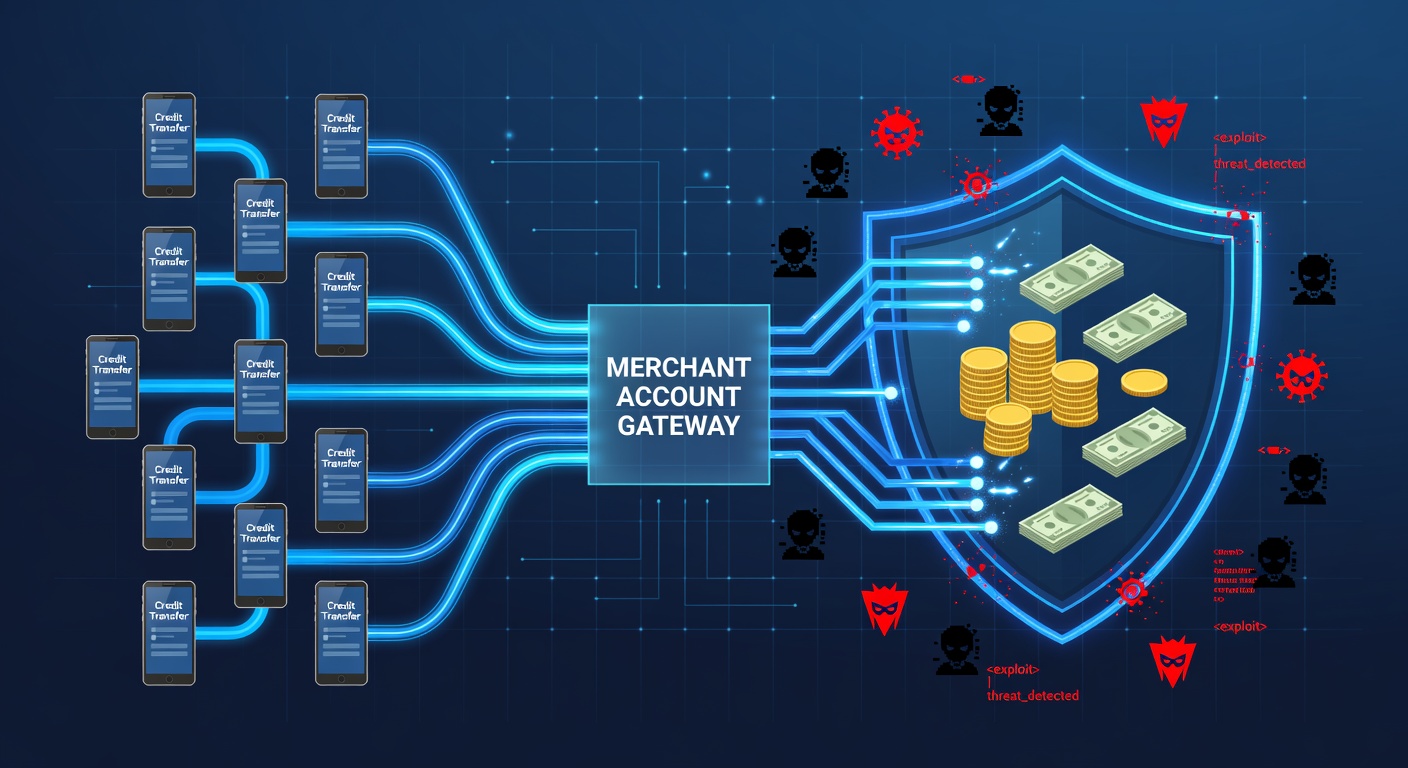
Merchant accounts serve as the foundation for processing credit transactions in mobile environments where recurring billing occurs on a regular basis and API connections establish direct pathways that filter and validate each payment cycle before funds move. These integrations allow real-time data exchange between payment processors and mobile applications which in turn supports automated verification steps that identify anomalies in transaction patterns as they develop.
Core Mechanisms Behind API-Linked Merchant Accounts
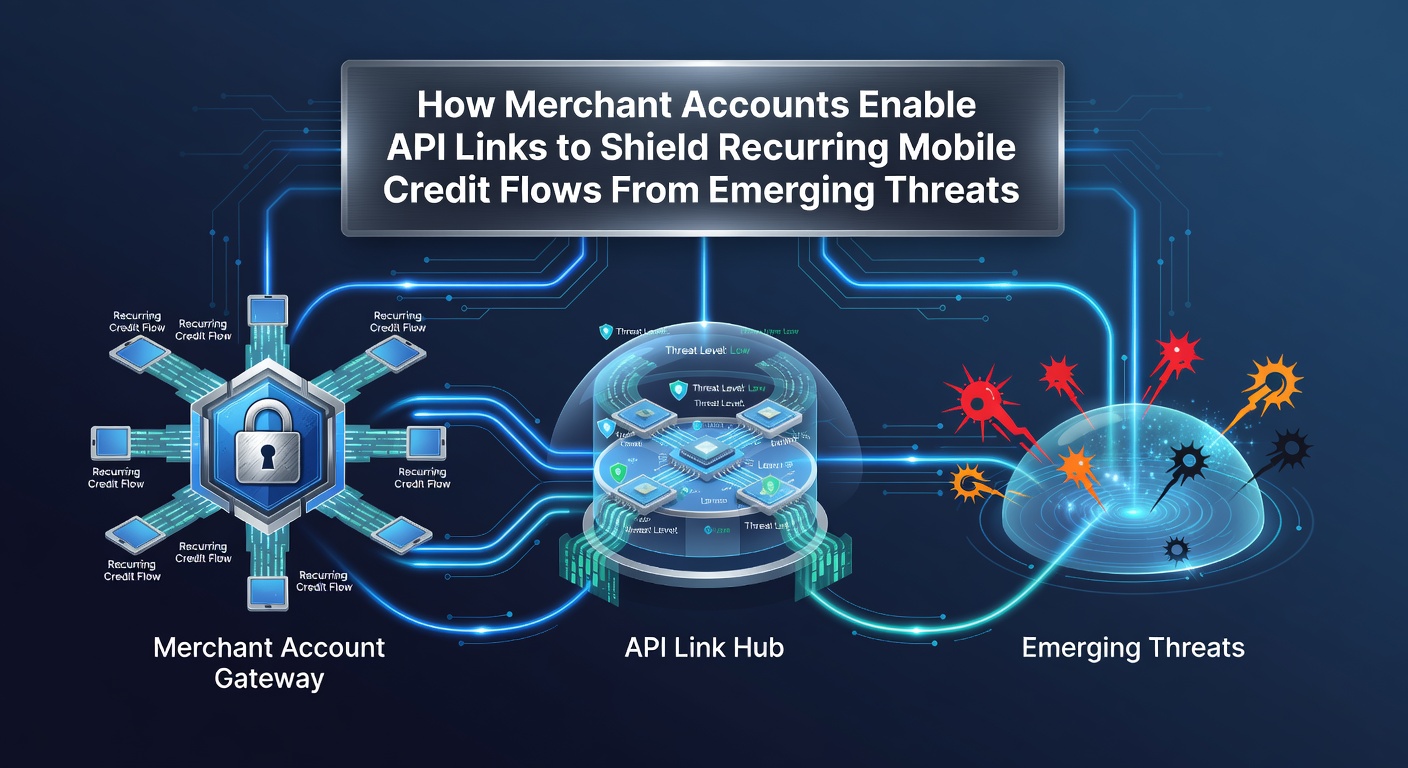
API links transmit encrypted authorization requests from mobile devices directly to merchant account gateways and this setup enables immediate checks against known fraud indicators while maintaining compliance with established security protocols. Systems monitor variables such as device location changes, usage frequency shifts, and amount variations across multiple billing cycles and flag deviations for manual review when thresholds are crossed. Tokenization replaces sensitive card details with unique identifiers that travel through the API channel reducing exposure during each recurring charge and this method has become standard in platforms handling subscription services.
Research from the European Central Bank indicates that API-driven authentication layers reduced unauthorized recurring transactions by measurable percentages in monitored markets during 2025 and similar patterns appear in data collected through North American processing networks. The connections also support dynamic updates to risk rules so that emerging threat signatures can be incorporated without requiring full system overhauls.
Addressing Specific Emerging Threats in Mobile Recurring Flows
Credential stuffing attacks have targeted recurring payment profiles with increasing frequency because stored billing information offers repeated access points and API integrations counter these attempts through layered verification that combines device fingerprinting with behavioral analytics. Account takeover attempts often involve rapid changes to payment details yet merchant account APIs can enforce confirmation steps that interrupt such sequences before they complete. Synthetic identity fraud which combines fabricated and real data elements poses another challenge and the structured data flows through APIs allow cross-referencing against multiple databases in a single call.
By June 2026 updates to global security frameworks are expected to require enhanced API logging for all recurring mobile credit operations which will further standardize how merchant accounts capture and report suspicious activity. These requirements build on existing standards that already mandate encryption and access controls yet add emphasis on continuous monitoring capabilities.
Compliance and Operational Benefits in Practice
PCI DSS requirements align closely with API capabilities because the protocols support end-to-end encryption and segmented access that limit the scope of any potential breach. Merchant accounts configured with these links can generate audit trails automatically which simplifies reporting for regulatory examinations conducted by bodies such as the Australian Prudential Regulation Authority. Variable billing cycles common in mobile services benefit particularly because APIs accommodate amount adjustments without interrupting the security checks that run on each transaction.
Observers note that platforms integrating these systems experience fewer interruptions in service continuity since automated responses handle routine verifications while human oversight focuses on confirmed high-risk cases. Studies published by academic research groups in Canada have documented how such architectures maintain processing speeds even as transaction volumes increase during peak subscription renewal periods.
Future Directions for API-Enhanced Merchant Account Security
Continued evolution of machine learning models integrated through APIs promises more precise identification of emerging patterns because these systems learn from aggregated anonymized data across global networks. Merchant accounts that adopt these enhancements position themselves to respond faster to new threat vectors while sustaining the seamless experience users expect from mobile recurring payments. The infrastructure already in place provides a scalable base for incorporating additional authentication factors as they become available without disrupting existing billing flows.
Conclusion
Merchant account integrations through APIs establish structured defenses that address the specific vulnerabilities found in recurring mobile credit transactions by combining encryption, real-time monitoring, and compliance alignment into a single operational framework. Data from regulatory and research sources confirms measurable improvements in fraud resistance when these connections operate consistently across payment cycles. As standards advance in June 2026 and beyond the role of these API links is expected to expand in supporting secure processing environments for mobile commerce.