International Oversight Frameworks Connecting Merchant Networks to Real-Time Verification Across Borderless Portable Charge Platforms
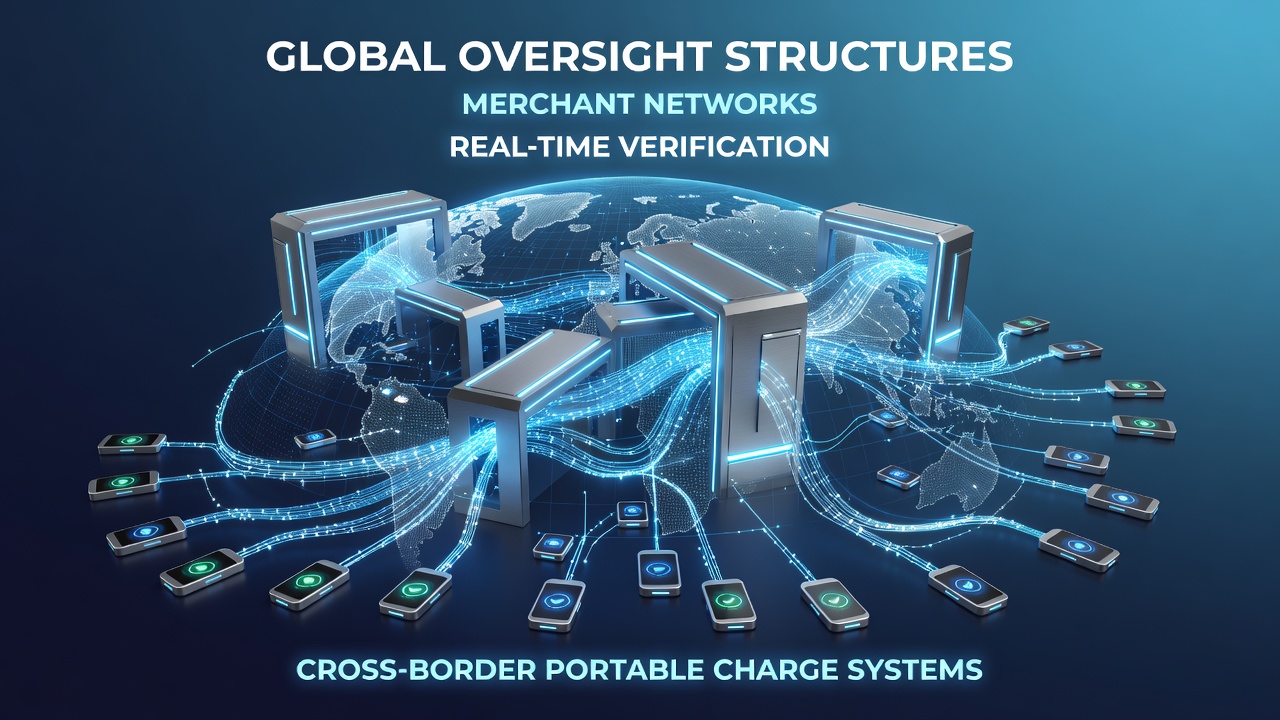
Global oversight structures have evolved to tie merchant networks directly into real-time verification processes for portable charge systems that operate across borders, and data from multiple regulatory regions shows how these connections handle increasing transaction volumes while maintaining compliance standards. Researchers at institutions tracking payment flows note that portable charge systems, which include mobile wallets and on-device billing tools, now process a substantial share of cross-border activity because users expect instant authorization regardless of location.
Organizations such as the Bank for International Settlements compile reports that document how oversight bodies coordinate with acquirers to embed verification checkpoints at the point of merchant integration, and this coordination reduces the window for mismatched data during currency conversion or jurisdictional handoffs. In practice, real-time verification relies on standardized messaging protocols that allow networks to query multiple databases simultaneously, pulling information on account status, device location, and historical patterns without introducing noticeable delays for the end user.
Regional Regulatory Approaches and Their Interconnections
European authorities have implemented directives that require merchant platforms to connect with centralized verification hubs managed under the European Central Bank framework, whereas authorities in Canada through Payments Canada have established parallel requirements that emphasize live monitoring of portable billing streams. These regional systems exchange data via secure channels governed by mutual recognition agreements, which means a transaction initiated on a European-issued portable device can receive verification signals from North American clearing houses within the same processing cycle.
Observers tracking implementation timelines point out that several updates scheduled for July 2026 will further standardize the data fields exchanged between these oversight layers, particularly around device fingerprinting and dynamic risk scoring. Such changes aim to close gaps that currently appear when portable systems move between high-volume corridors like Asia-Pacific routes and European markets.
Technical Mechanisms Driving Real-Time Links
Merchant networks integrate with oversight structures through API gateways that trigger verification sequences the moment a portable charge request arrives. These gateways route queries to compliance engines maintained by card networks or central authorities, which then return authorization decisions based on rules that update continuously from aggregated fraud intelligence. Studies from academic centers examining payment infrastructure reveal that the average latency for such cross-border checks has dropped below two seconds in systems employing these layered connections, largely because verification no longer waits for batch settlement cycles.

Portable charge platforms also incorporate tokenization layers that replace sensitive card details with references usable only within verified sessions, and oversight bodies audit these tokens against live registries to confirm they have not been flagged in prior incidents. When anomalies surface, the connected systems can pause further authorizations across multiple merchant accounts simultaneously rather than addressing each case in isolation.
Data Exchange Standards and Compliance Monitoring
ISO 20022 messaging standards now underpin many of the links between merchant networks and global oversight entities, providing structured fields that carry both transaction details and verification metadata. Regulatory reports indicate that adoption of these standards has accelerated coordination among oversight bodies in Australia, Singapore, and the European Union, allowing consistent interpretation of portable charge data regardless of originating jurisdiction. Continuous monitoring dashboards maintained by these bodies aggregate signals from thousands of merchant endpoints, highlighting patterns that require intervention before they scale into larger issues.
One documented case involved a series of portable billing attempts that triggered alerts across linked networks because device identifiers appeared in multiple regions within minutes, prompting coordinated holds until additional identity checks cleared the activity. Such examples illustrate how the architecture distributes responsibility while preserving a unified view of risk.
Future Adjustments Scheduled for Mid-2026
Preparations for July 2026 include expanded requirements for real-time reporting of portable charge metrics to oversight repositories, which will feed updated risk models used by merchant acquirers. These adjustments build on existing connections rather than replacing them, ensuring continuity for systems already operating under current protocols. Industry analyses project that the enhanced data flows will support more granular verification without increasing operational overhead for smaller merchants.
Conclusion
The structures linking merchant networks to real-time verification continue to expand their reach across portable charge ecosystems, supported by coordinated standards and scheduled regulatory refinements. Evidence from ongoing implementations demonstrates that these connections enable consistent processing outcomes even as transaction volumes and geographic scope increase.