Integrating Persistent Assistance with API Architectures to Support Compliance in Mobile Variable-Cycle Operations

API architectures and ongoing assistance programs have become central to maintaining regulatory adherence during variable-cycle transactions conducted on portable devices, where payment frequencies and amounts shift based on user behavior or service usage patterns. Researchers at institutions across multiple regions have documented how these elements combine to address security protocols and data handling requirements in real time, particularly as mobile commerce volumes continue to expand through 2026.
Core Components of API Frameworks in Mobile Environments
Developers design API frameworks to manage authentication, encryption, and transaction logging while devices process recurring yet fluctuating exchanges. These systems validate each cycle against established standards, including tokenization methods that replace sensitive card details with unique identifiers. Data from industry reports indicate that properly configured APIs reduce exposure windows during data transmission, especially when transactions occur across different network conditions on smartphones and tablets.
Variable-cycle operations differ from fixed schedules because amounts and intervals adapt dynamically, which places additional demands on monitoring tools. API endpoints track these changes by interfacing with backend compliance engines that flag deviations from expected patterns. Observers note that such integration allows for immediate adjustments without interrupting service delivery on the user side.
Continuous Assistance as a Compliance Layer
Support operations running without interruption supply the human oversight that automated systems alone cannot provide. Teams monitor alerts generated by API activity logs, investigate anomalies, and coordinate responses when portable devices encounter connectivity issues or unusual transaction requests. This layer becomes essential during periods of high variability, when standard rulesets require manual review to confirm adherence.
Figures from regulatory bodies in North America and Europe show that organizations maintaining 24-hour support channels experience fewer prolonged compliance gaps. Assistance personnel often reference documented procedures that align with PCI data security requirements, ensuring that each interaction preserves audit trails. What's interesting here is how these teams collaborate with API monitoring dashboards to correlate device-specific events with broader network activity.
Interplay Between Support Mechanisms and Technical Frameworks
The interaction between continuous assistance and API structures creates feedback loops that strengthen overall compliance postures. When an API detects a potential issue during a variable transaction on a mobile device, it routes details to support queues where staff apply contextual knowledge to determine next steps. This process incorporates geographic considerations, as different regions enforce varying data residency rules that APIs must accommodate through configurable parameters.
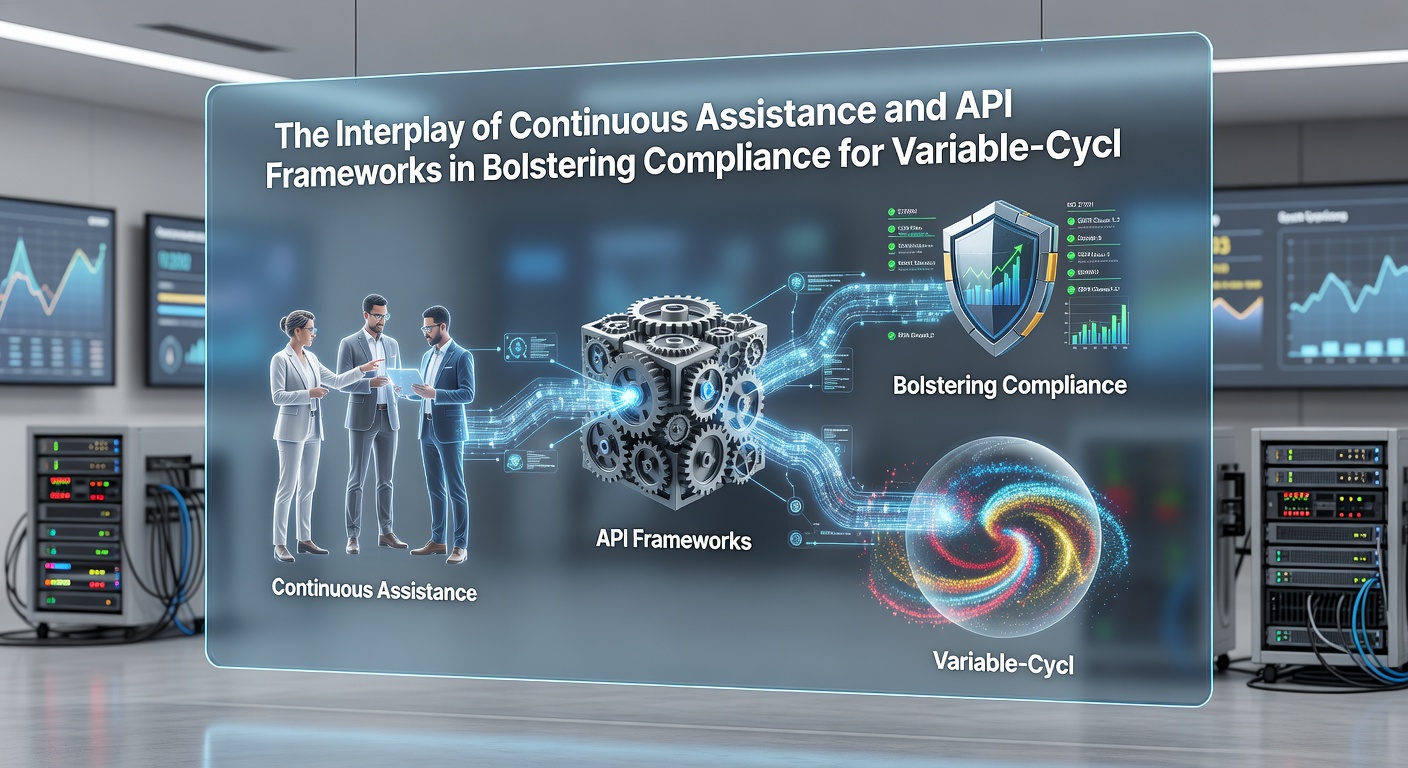
Studies conducted by academic groups in Australia and Canada have examined these dynamics, revealing that integrated systems handle edge cases more efficiently than siloed approaches. For instance, a sudden change in transaction frequency on a portable device triggers both an API alert and a support ticket, allowing simultaneous technical verification and procedural confirmation. The result appears in reduced remediation times across tested implementations.
Regulatory Context and Developments Through 2026
Upcoming framework revisions expected in May 2026 from international standards organizations will likely emphasize enhanced logging capabilities within mobile API environments. These adjustments target variable-cycle scenarios specifically, requiring clearer documentation of assistance interventions that occur outside automated flows. Entities operating across borders already reference guidance from bodies such as the European Central Bank and PCI Security Standards Council to prepare system updates.
Portable device manufacturers contribute by embedding hardware-level security features that APIs can leverage during transaction cycles. Continuous assistance programs then verify that these features function correctly under real-world conditions, including software updates that might affect compliance parameters.
Conclusion
API frameworks paired with uninterrupted support structures provide measurable advantages in sustaining compliance for variable-cycle transactions on mobile platforms. Evidence gathered from operational deployments demonstrates that this combination addresses both technical validations and procedural requirements in coordinated fashion. As standards evolve into 2026 and beyond, organizations continue refining these integrations to align with shifting regulatory expectations across different jurisdictions.