Global Connectivity Layers Shaping Fraud Shields for Variable-Cycle Mobile Subscriptions Across Merchant Frameworks
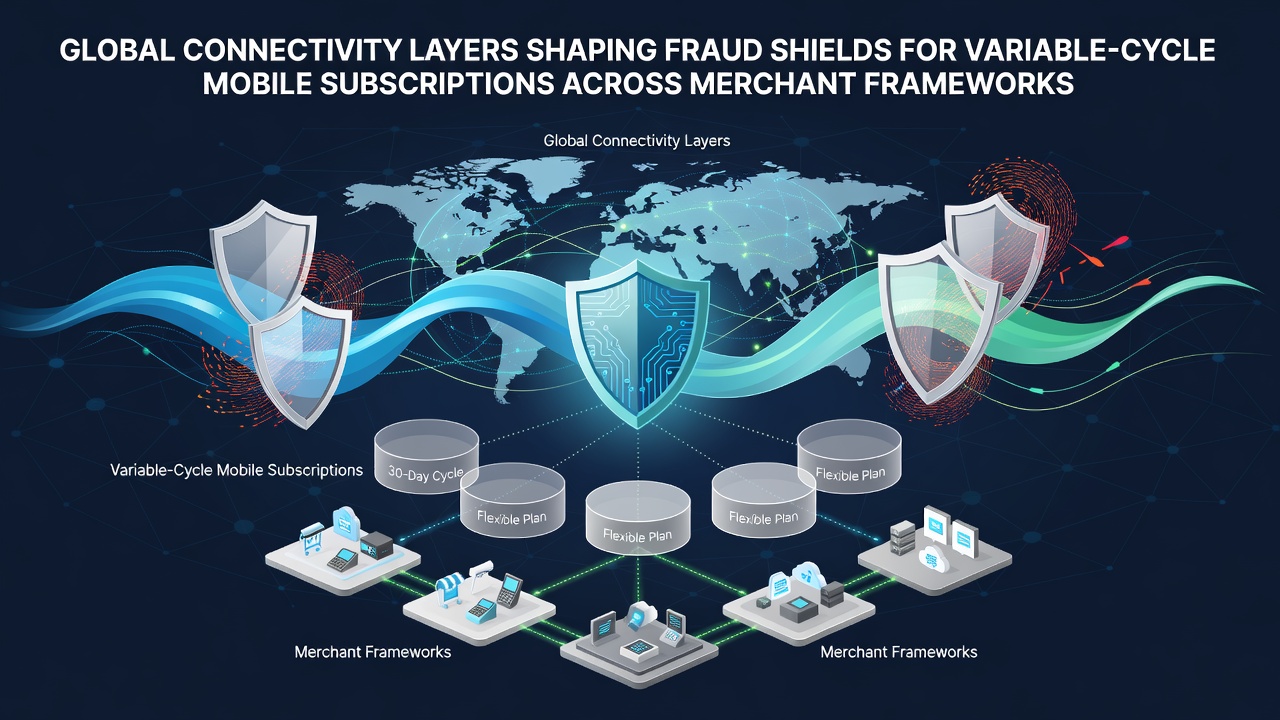
Global connectivity layers operate as interconnected networks that transmit transaction data across borders in real time while merchants process mobile subscriptions with flexible billing cycles. These layers integrate satellite links, undersea cables, and terrestrial fiber systems to enable instant verification between payment processors and issuing banks. Researchers have documented how such infrastructure supports fraud detection algorithms that analyze patterns from multiple jurisdictions simultaneously.
Core Components of Connectivity Infrastructure
Experts note that connectivity layers rely on standardized protocols like ISO 20022 for message formatting, which allows seamless data exchange between diverse merchant platforms. Variable-cycle subscriptions introduce complexity because billing intervals shift based on user activity or usage thresholds rather than fixed calendars. Systems must therefore reconcile transaction histories from cloud-based APIs hosted in different regions, and this process demands low-latency pathways to prevent authorization delays that fraudsters often exploit.
According to figures from the Bank for International Settlements, cross-border mobile payment volumes grew steadily through 2025, with July 2026 projections indicating continued expansion in subscription models. Connectivity layers incorporate redundant routing to maintain uptime, and they feed behavioral signals into centralized risk engines that flag anomalies such as mismatched device locations or unusual spending velocities.
Fraud Shield Mechanisms Powered by Network Layers
Fraud shields evolve when global layers aggregate data from card networks, mobile carriers, and merchant acquirers. Machine learning models trained on these datasets identify emerging threats faster than isolated regional systems can achieve. For instance, one study revealed that real-time geolocation cross-checks across continents reduced false positives in recurring billing scenarios by correlating IP addresses with SIM registration records.
Variable-cycle operations require dynamic risk scoring that adjusts thresholds each time a subscription renews on a new interval. Connectivity layers deliver the necessary updates by pulling compliance data from PCI DSS repositories and regional regulatory databases without interrupting the payment flow. Observers note that this architecture proves especially effective for merchants operating across multiple frameworks, where each platform may use distinct tokenization standards.
Integration Across Merchant Frameworks
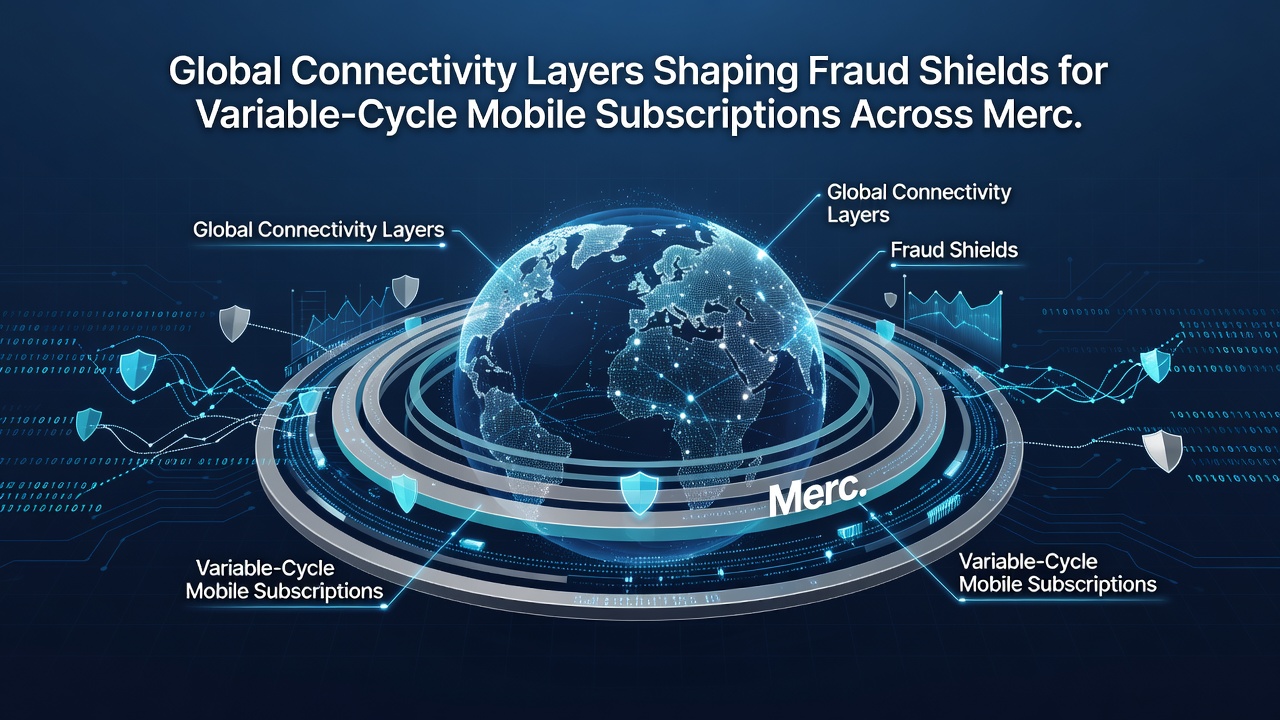
Merchants integrate these layers through API gateways that normalize incoming requests from various mobile applications. The gateways translate variable-cycle parameters into uniform formats before routing them to fraud engines. Data shows that frameworks supporting both fixed and usage-based billing benefit when connectivity layers enforce consistent authentication rules, such as requiring biometric confirmation for high-value renewals.
Those who have examined case implementations report that European and Asian merchant systems often combine EMV 3-D Secure protocols with global connectivity feeds to verify cardholder presence during subscription changes. Meanwhile, North American platforms leverage similar layers to comply with evolving state-level data protection requirements while processing recurring charges on irregular schedules.
Regulatory and Compliance Dimensions
Regulatory bodies in multiple regions mandate that connectivity layers maintain audit trails for all subscription events. The Federal Reserve has published guidance on how real-time monitoring across networks supports adherence to consumer protection rules in mobile billing environments. Academic papers from research institutions further indicate that layered connectivity reduces the window during which stolen credentials can be reused across borders.
Merchants must therefore align their frameworks with these requirements by embedding connectivity-aware modules that automatically adjust fraud thresholds when cycles change. This approach ensures that compliance checks occur without creating bottlenecks in the authorization sequence.
Conclusion
Global connectivity layers continue to define the effectiveness of fraud shields for variable-cycle mobile subscriptions. They enable merchants to maintain secure operations across diverse frameworks by delivering unified data streams that support rapid detection and response. As transaction volumes expand, the ongoing refinement of these layers remains central to protecting payment ecosystems worldwide.