Fortifying Digital Wallets: PCI Standards and Fraud Barriers in Mobile and Recurring Transactions
Fortifying Digital Wallets: PCI Standards and Fraud Barriers in Mobile and Recurring Transactions
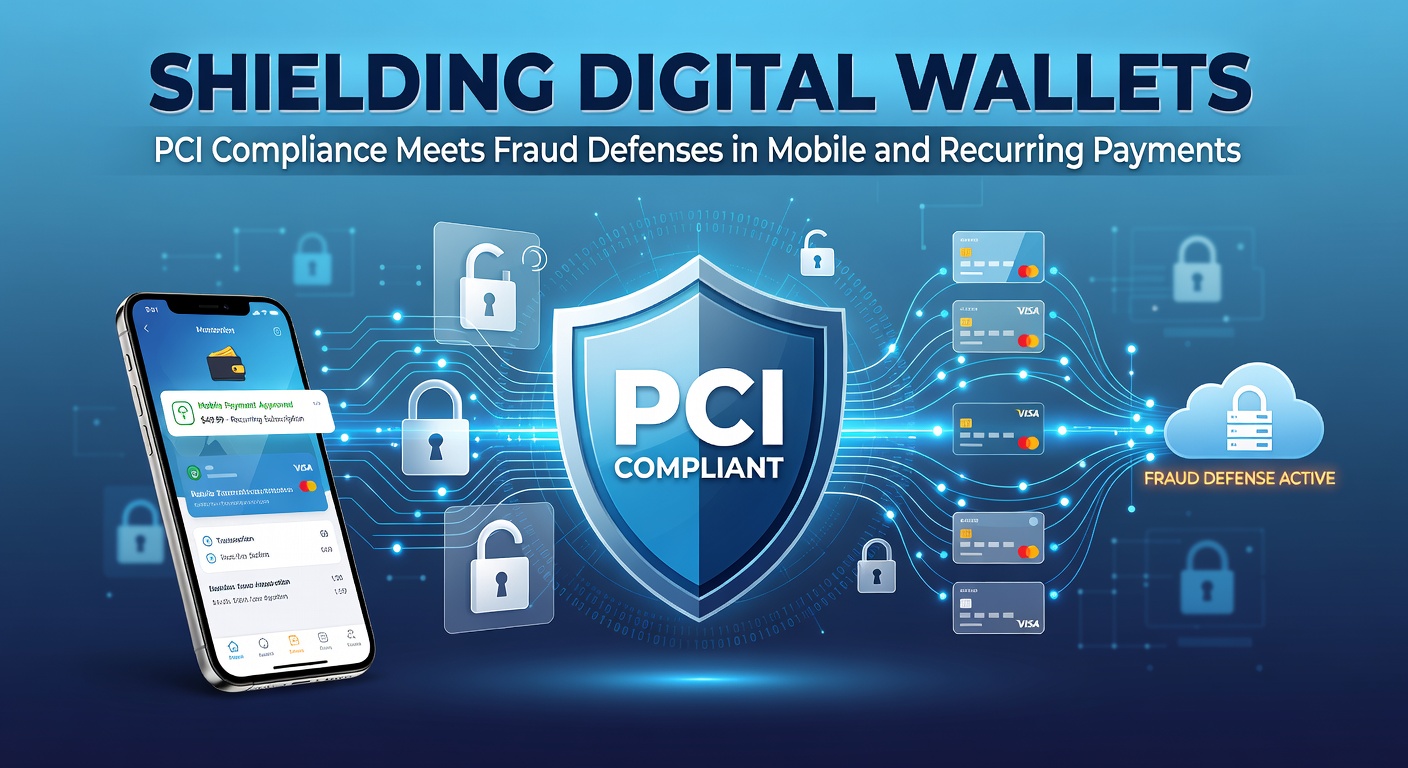
The Rise of Digital Wallets in Everyday Transactions
Digital wallets have transformed how people handle payments, especially in mobile scenarios and recurring setups like subscriptions; consumers now tap phones for coffee runs or authorize monthly charges without pulling out cards, and data from recent industry reports shows this shift exploding, with global digital wallet usage projected to hit 4.4 billion users by 2025 according to Juniper Research figures.
But here's the thing: as these wallets proliferate—think Apple Pay, Google Wallet, or Samsung Pay—vulnerabilities emerge, prompting merchants and processors to layer on protections like PCI compliance alongside sophisticated fraud defenses; experts observe that without such measures, breaches could spike losses, since cybercriminals target stored credentials in these convenient systems.
What's interesting is how mobile payments alone accounted for over $1 trillion in volume last year, per Statista data, while recurring payments fuel steady revenue streams for services from streaming platforms to SaaS tools, yet both demand ironclad security to maintain trust.
Decoding PCI Compliance for Digital Wallet Security
PCI DSS, or Payment Card Industry Data Security Standard, sets the benchmark for safeguarding cardholder data, and version 4.0—rolled out progressively since 2022—introduces stricter rules on multi-factor authentication and continuous monitoring that directly apply to digital wallets hosting tokenized card info; service providers must validate compliance annually, ensuring environments encrypt data at rest and in transit, while scoping assessments now emphasize reducing the cardholder data environment through tokenization.
Take the PCI Security Standards Council, which mandates 12 core requirements, from firewalls to access controls, and those who've implemented it report fewer incidents; for instance, one major processor cut breach risks by 40% after full adherence, according to their case study.
And in recurring payments, where tokens replace raw PANs (primary account numbers), PCI rules require ongoing validation that these tokens can't be reversed to original data, a critical step since auto-renewals process billions without user intervention each month.
Fraud Defenses Evolving Alongside PCI Frameworks
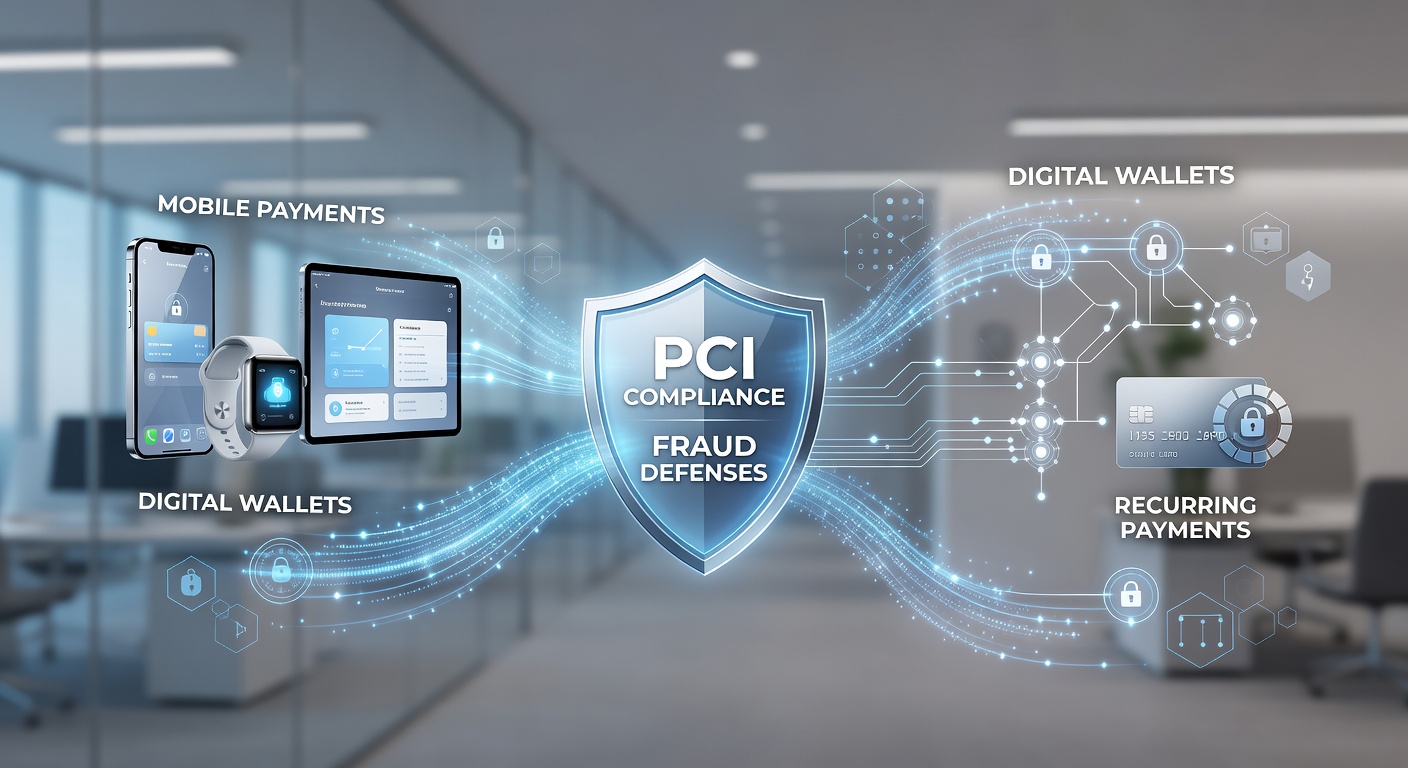
Fraud prevention tools complement PCI by focusing on behavioral anomalies rather than just data storage; machine learning models analyze transaction velocity, geolocation mismatches, and device fingerprints in real-time, flagging suspicious mobile taps before they clear, while rule-based systems block patterns like unusual recurring charge spikes.
Turns out, AI-driven systems from vendors like Forter or Riskified boast detection rates above 95%, per independent benchmarks, and they integrate seamlessly with PCI-compliant gateways; observers note that in mobile payments, where NFC (near-field communication) enables quick contacts, these defenses scrutinize proxy usage or emulator apps often exploited by fraudsters.
Recurring payments present unique challenges too, since legitimate charges repeat predictably, yet fraudsters exploit stored profiles for unauthorized renewals; that's where velocity checks shine, limiting attempts within time windows, and 3D Secure protocols add frictionless authentication layers without disrupting user experience.
So, while PCI handles the foundational hygiene, fraud tools provide the dynamic edge, and data from the European Banking Authority reveals that EU payment fraud dipped 15% in 2023 after widespread adoption of such combined strategies.
Mobile Payments Under the Microscope: Where Speed Meets Security
Mobile wallets thrive on frictionless speed—one scan, done—but that invites risks like man-in-the-middle attacks during token provisioning; processors counter with HCE (host card emulation) tech, which generates dynamic cryptograms per transaction, aligning with PCI's point-to-point encryption mandates.
Consider contactless limits rising globally; in Australia, for example, the Reserve Bank allows up to AUD 100 per tap without PIN, per their policies, yet fraud rings test boundaries with cloned virtual cards, prompting gateways to enforce biometric checks like Face ID alongside PCI scoping that isolates mobile SDKs.
People who've studied this know the rubber meets the road in EMVCo standards, which certify mobile provisioning for secure element storage, ensuring wallets don't become sitting ducks; one study from a leading university revealed that EMV-enabled mobile transactions saw 80% fewer counterfeits compared to magstripe legacies.
Yet challenges persist: cross-border mobile use exposes wallets to varying regulations, so global processors harmonize PCI with local mandates, like Canada's OSC rules on endpoint security.
Recurring Payments: Sustaining Security in Subscription Economies
Subscriptions power e-commerce giants, with recurring revenue hitting $1.5 trillion projected by 2025 per Subscription Trade Association data, but fraudsters love the set-it-and-forget-it model, hijacking profiles for drip charges; defenses evolve with customer vaulting systems that PCI-vet for secure token storage, allowing merchants to rebill without re-entering data.
But here's where it gets interesting: network tokenization from Visa and Mastercard refreshes tokens periodically, slashing friendly fraud by 30%, studies show, while PCI requires segmentation to prevent vault breaches rippling across accounts.
Experts have observed patterns in churn fraud, where bad actors subscribe then dispute post-capture; machine learning flags high-dispute profiles early, and SCA (Strong Customer Authentication) under EU PSD2 mandates biometrics for initial setups, extending protections to recurring flows via exemptions for low-risk merchants.
Now, with April 2026 looming, updates to PCI DSS 4.0's targeted risk analyses will demand quarterly reviews for recurring setups, pushing processors to automate compliance dashboards that blend fraud scoring with audit trails.
Case Studies: Real-World Wins in Shielded Wallets
One retailer overhauled its mobile app with PCI-validated token services and AI fraud nets, dropping chargebacks from 1.2% to 0.3% in six months; they vaulted recurring profiles behind behavioral analytics, catching 92% of anomalies pre-authorization.
Another platform serving subscriptions integrated geofencing with PCI encryption, thwarting a syndicate attempting 10,000 bogus renewals; post-incident reports highlighted how unified dashboards correlated fraud signals across mobile and web, a tactic now standard.
There's this case where a fintech in Canada layered device intelligence onto PCI scopes, reducing mobile fraud by 65% amid rising tap-to-pay adoption; researchers credit the combo for outpacing siloed approaches.
And internationally, Australian merchants report success blending ACCC-guided practices with global PCI, especially as digital wallet mandates expand under their consumer laws.
Future Horizons: April 2026 and Beyond
Looking ahead, April 2026 marks a pivot with PCI DSS 4.0 full enforcement, requiring customizations like AI-assisted vulnerability scans for digital wallet ecosystems; fraud tools will lean heavier on passkeys and zero-knowledge proofs, minimizing shared secrets in mobile handoffs.
Regulators worldwide sync up too: US merchants face CFPB scrutiny on recurring consents, while EU evolves PSD3 drafts for wallet interoperability, all under PCI umbrellas.
Turns out, quantum threats loom, but post-quantum cryptography pilots already harden token exchanges; those in the know predict hybrid defenses dominating, ensuring digital wallets stay shielded as volumes surge.
Wrapping Up the Defenses
Digital wallets stand stronger when PCI compliance intersects with fraud defenses, securing mobile taps and recurring streams against evolving threats; data underscores the payoff—lower losses, higher trust—and as April 2026 deadlines approach, processors who integrate these layers position ahead, turning potential pitfalls into seamless experiences for billions.
Observers note the synergy's power: PCI builds the fortress, fraud tools man the watchtowers, and together they shield the digital purse effectively.