Examining the Infrastructure of API-Enabled Secure Recurring Payments in Mobile Commerce
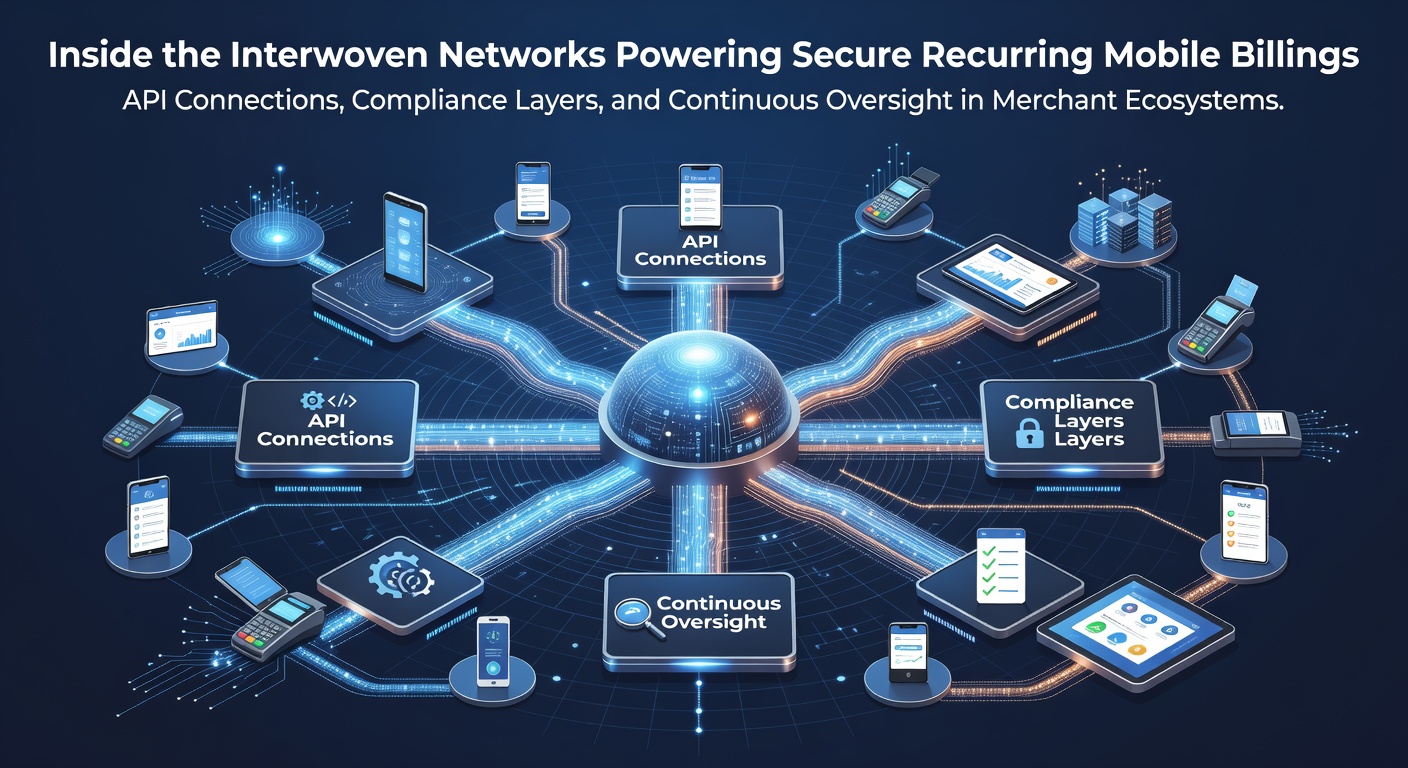
Merchant ecosystems rely on layered networks that connect mobile devices directly to payment processors through specialized APIs, and these connections handle recurring billings while maintaining security protocols across multiple jurisdictions. Data flows between applications and backend systems in real time, which allows transactions to process without interruption even as user locations shift during a single billing cycle. Observers note that such setups have expanded significantly since the widespread adoption of subscription models in digital services.
API Connections in Mobile Billing Systems
APIs serve as the primary bridges that transmit billing requests from mobile apps to merchant accounts, and they incorporate encryption standards along with authentication tokens to verify each interaction. These interfaces support tokenization methods that replace sensitive card details with unique identifiers, which reduces exposure during data transmission. Research indicates that API calls occur multiple times per transaction to confirm user identity, check available funds, and initiate the actual charge in sequence.
Developers integrate these connections using standardized protocols such as REST or GraphQL, while they also accommodate regional variations in data formats required by different financial institutions. When a subscription renews automatically, the API layer pulls stored payment credentials and routes the request through compliance checks before authorization completes. Those who've studied transaction logs observe that latency in these connections often stays below 200 milliseconds in optimized environments, which keeps the process seamless for end users.
Compliance Layers and Regulatory Requirements
Compliance layers sit between API endpoints and core processing engines, where they enforce rules drawn from frameworks like PCI DSS and regional data protection statutes. These layers scan incoming requests for anomalies such as mismatched device fingerprints or unusual billing frequencies, and they flag items that deviate from established patterns. According to Payments Canada reports, updated guidelines effective in May 2026 will require additional verification steps for cross-border recurring charges that exceed certain thresholds.
Merchants implement these layers through modular software components that update independently when regulations change, and this modularity prevents full system overhauls during each revision cycle. Automated scripts within the compliance stack cross-reference transaction details against watchlists maintained by financial authorities, which adds another verification step without manual intervention. Evidence suggests that such automated checks have lowered the incidence of unauthorized recurring charges in documented case studies from multiple markets.
Continuous Oversight Mechanisms

Oversight operates through dashboards that aggregate logs from every API call and compliance check, which creates a running record available for review by internal teams or external auditors. These systems apply machine learning models trained on historical data sets to predict potential issues before they affect billing cycles, and they trigger alerts when thresholds for risk indicators are crossed. People who manage merchant platforms often configure these models to adapt based on seasonal transaction volumes rather than fixed rules alone.
Monitoring extends to third-party vendors that supply portions of the payment stack, and contracts typically mandate that those vendors share their own audit results on a quarterly basis. When discrepancies appear in the aggregated data, oversight protocols initiate escalation procedures that pause affected subscriptions until resolution occurs. Figures from industry analyses reveal that continuous oversight has contributed to measurable reductions in chargeback rates across recurring mobile services over recent years.
Integration between oversight tools and API gateways allows real-time adjustments, such as temporarily increasing authentication requirements during detected high-risk periods. This dynamic response capability keeps the overall ecosystem responsive without halting legitimate transactions. Researchers at academic institutions have examined similar setups in reports that highlight the value of layered monitoring for maintaining operational continuity.
Integration Across Merchant Ecosystems
Merchant ecosystems combine these elements into unified platforms where mobile recurring billings interact with inventory systems, customer relationship tools, and financial reporting modules. Data from billing events feeds back into analytics engines that refine future compliance parameters, and this feedback loop strengthens the accuracy of fraud detection over successive cycles. Connections to external services such as currency converters or tax calculators occur through the same API framework, which ensures consistency across all transaction components.
Testing environments replicate production conditions to validate new API versions or compliance updates before deployment, and these tests include simulated mobile network interruptions to confirm resilience. Teams responsible for ecosystem maintenance coordinate across time zones because updates often roll out during off-peak hours in primary markets. The result is a system that sustains high availability while incorporating ongoing refinements drawn from operational data.
Conclusion
Networks that power secure recurring mobile billings continue to evolve through tighter API integrations, refined compliance structures, and persistent oversight practices within merchant ecosystems. Updates scheduled for May 2026 will introduce further verification requirements that build on existing frameworks, and these changes will affect how platforms handle international subscriptions. Stakeholders track developments through reports from organizations such as the European Central Bank, which document shifts in payment infrastructure across regions. The combined effect supports reliable transaction flows that meet regulatory demands while processing increasing volumes of mobile-based recurring payments.