Evolving Strategies for Dynamic Payment Intervals: Linking Merchant Platforms and APIs to Thwart Fraud in Cross-Border Mobile Ecosystems
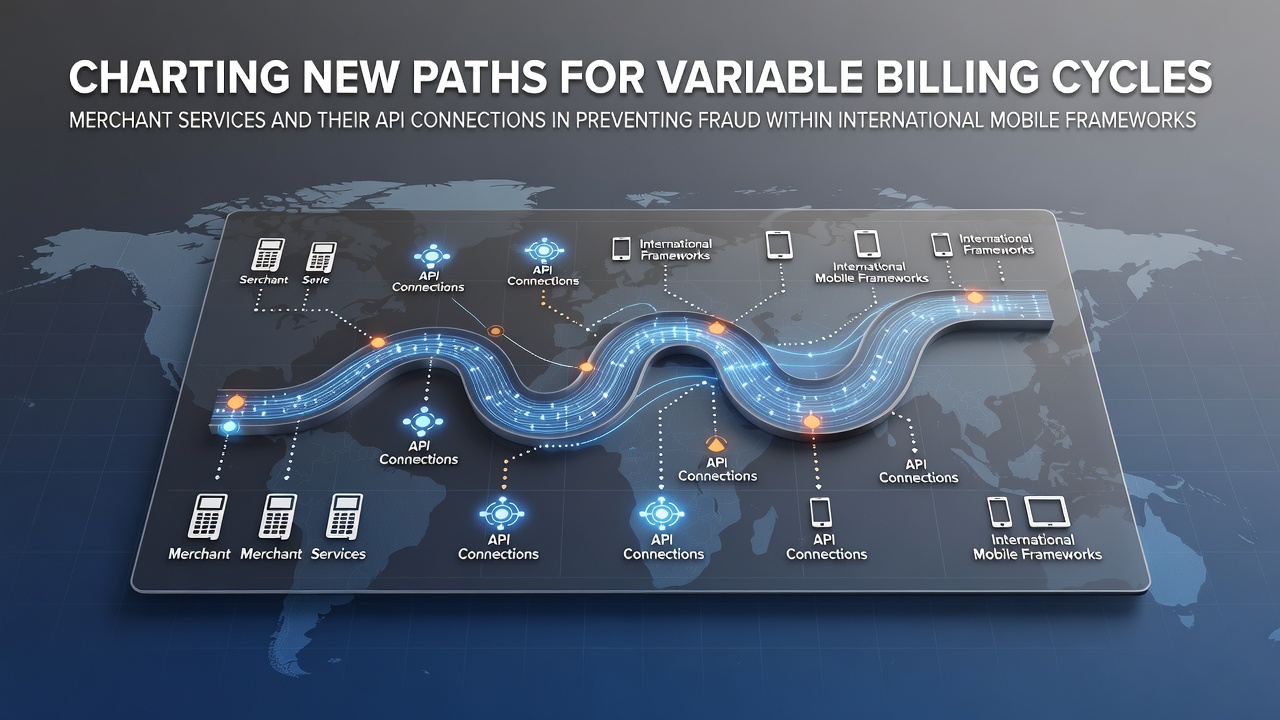
Variable billing cycles introduce flexibility into mobile commerce by allowing payment amounts and intervals to shift based on usage patterns, user preferences, and service demands, yet this adaptability also opens avenues for sophisticated fraud attempts that fixed schedules tend to limit. Merchant services have responded by embedding advanced monitoring directly into their platforms, and API connections serve as the primary mechanism for real-time data exchange that flags anomalies before transactions complete. Research from the Bank for International Settlements indicates that cross-border mobile transactions grew substantially through 2025, with variable-cycle models accounting for an increasing share of activity in sectors such as streaming services, utility top-ups, and on-demand logistics.
Core Components of Variable Billing Structures
Variable cycles differ from traditional recurring models because they adjust both timing and value on a per-transaction basis, drawing from device sensors, location data, and account history to determine charges. Observers note that this approach requires continuous validation loops, and merchant platforms integrate these loops through standardized endpoints that pull information from multiple sources simultaneously. Those who have examined transaction logs across regions report that discrepancies in expected versus actual amounts trigger immediate reviews, which reduces exposure while maintaining user experience across time zones and currencies.
Merchant Services as Central Hubs
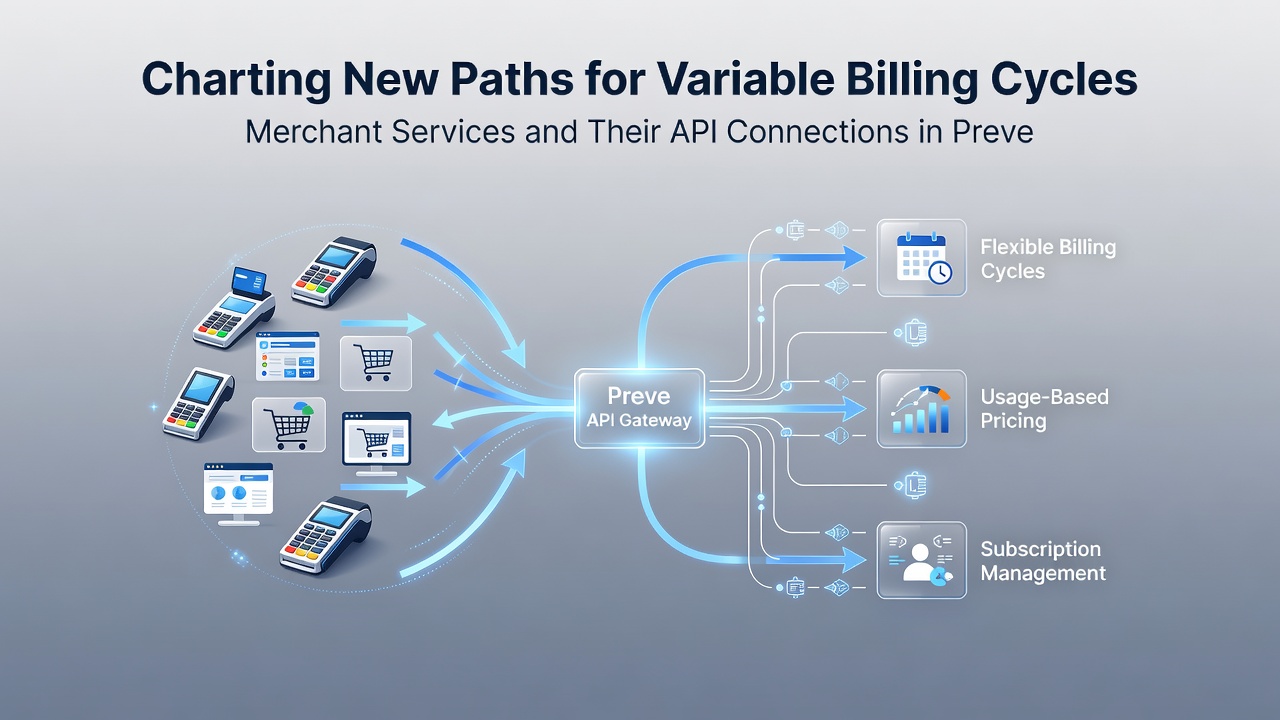
Merchant account providers supply the infrastructure that processes these dynamic charges, including tokenization layers that replace sensitive card details with unique identifiers valid only for specific sessions. Data shows that providers operating in multiple jurisdictions maintain separate compliance modules for each market, allowing seamless handoffs when a user crosses borders mid-cycle. API gateways connect these modules to external fraud scoring engines, and the resulting risk assessments update within milliseconds to reflect the latest behavioral signals from the mobile device itself.
API Architectures Enabling Secure Integrations
Application programming interfaces function as the connective tissue between merchant dashboards and mobile applications, transmitting encrypted payloads that contain cycle parameters alongside device fingerprints and geolocation markers. Developers configure webhooks that push alerts whenever a proposed charge deviates from established baselines by more than a predefined threshold. In July 2026 several regional regulators introduced updated guidelines requiring explicit consent logs for every variable adjustment, and platforms that already used granular API logging adapted quickly without service interruptions.
Studies conducted by academic teams at institutions in Canada and Singapore have mapped common fraud vectors that exploit weak cycle validation, including velocity attacks where multiple small charges accumulate rapidly across different currencies. API rate-limiting combined with machine-learning models trained on historical charge patterns counters these attempts effectively. The same research highlights that platforms employing layered authentication through APIs experienced measurable declines in chargeback rates compared with those relying solely on static rulesets.
International Compliance and Data Exchange
Cross-border frameworks demand that merchant services reconcile differing data-protection statutes while preserving the speed required for mobile interactions. API connections facilitate this reconciliation by routing requests through compliance-aware intermediaries that apply jurisdiction-specific filters before authorization proceeds. Figures released by the European Central Bank reveal steady increases in mobile-initiated variable payments within the Single Euro Payments Area, accompanied by parallel investments in shared fraud intelligence networks among member states. Similar patterns appear in reports from the Australian Securities and Investments Commission, where emphasis on API transparency has encouraged merchants to publish detailed endpoint documentation for audit purposes.
Practical Outcomes Observed in Deployed Systems
One logistics provider operating across Southeast Asia and Europe implemented variable billing tied to real-time fuel and route data, routing each adjustment through merchant APIs that performed simultaneous checks against sanctioned entity lists and velocity thresholds. Transaction success rates remained stable while fraudulent attempts dropped noticeably within the first quarter of operation. Another example involves a utility application serving customers in both North and South America, where cycle lengths shortened during peak demand periods; API-orchestrated alerts allowed customer-service teams to intervene only when multiple risk signals aligned, preserving operational efficiency.
Conclusion
Variable billing cycles continue to reshape mobile commerce by aligning charges more closely with actual consumption, and merchant services paired with robust API connections supply the technical foundation needed to manage the accompanying fraud risks across international boundaries. Continued refinement of these integrations, guided by evolving regulatory expectations such as those emerging in mid-2026, supports secure expansion while preserving the adaptability that users expect from portable payment frameworks.