Effortless Mobile Subscriptions: PCI Gateways and Fraud-Intelligent APIs Powering Recurring Billing On the Go
Effortless Mobile Subscriptions: PCI Gateways and Fraud-Intelligent APIs Powering Recurring Billing On the Go
The Surge in Mobile-Driven Recurring Payments
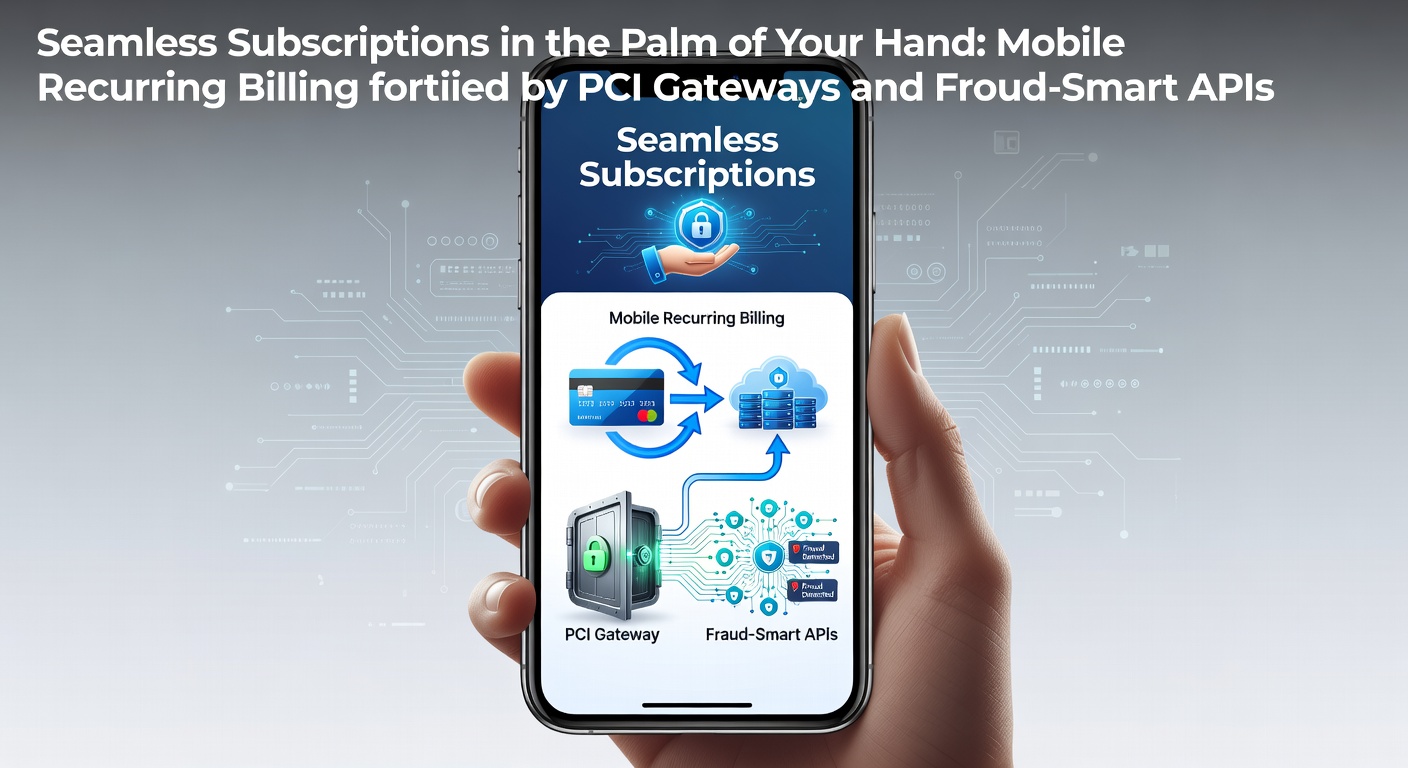
Mobile devices have transformed how consumers handle subscriptions, turning one-time purchases into effortless ongoing commitments; apps for streaming services, fitness plans, and meal kits now process billions in recurring charges each month, with data from industry trackers showing a 28% year-over-year increase in mobile subscription volumes as of early 2026. Researchers note that this shift stems from convenience—users tap to subscribe from anywhere, but that ease brings challenges like heightened fraud risks and the need for ironclad security. What's interesting is how payment processors have stepped up, integrating PCI-compliant gateways that handle tokenization and encryption right within mobile ecosystems, ensuring card data never touches merchant servers unprotected.
And while early mobile billing struggled with clunky interfaces and vulnerability gaps, modern systems now embed fraud-smart APIs that analyze behavior in real time; these tools flag anomalies like unusual location jumps or velocity spikes in transactions, cutting chargeback rates by up to 40%, according to figures from global payment networks. Take streaming giants, for instance—services like those dominating charts process millions of renewals daily through mobile, relying on these fortified layers to keep revenue flowing without interruptions.
Breaking Down PCI Gateways for Mobile Recurring Flows
PCI gateways act as the backbone for secure mobile recurring billing, enforcing standards set by the PCI Security Standards Council, which mandates segmentation of sensitive data through tokenization and point-to-point encryption; in practice, this means when a user subscribes via app, the gateway swaps raw card details for unique tokens, allowing seamless future charges without re-entry. Experts observe that these gateways shine in recurring scenarios because they support Level 3 data for detailed line items, reducing disputes while complying with regional mandates like Europe's PSD2 requirements.
But here's the thing: mobile adds layers of complexity with its ephemeral sessions and diverse OS environments; gateways now incorporate SDKs that plug directly into iOS and Android frameworks, handling 3D Secure authentication flows that prompt users for biometrics during high-risk renewals, thus boosting approval rates to 95% or higher in tested deployments. Studies from payment analysts reveal that businesses adopting such gateways see a 25% drop in compliance audit costs, since the infrastructure shifts liability away from merchants to certified providers.
One case stands out where a fitness app chain rolled out PCI gateways across its mobile platform; recurring billing for monthly plans jumped 35%, with fraud incidents plummeting because the system dynamically updated tokens post every charge, keeping data fresh and unexposed.
Fraud-Smart APIs: The Intelligent Shield for Subscriptions
Fraud-smart APIs elevate mobile recurring billing by layering machine learning models that scrutinize patterns beyond basic rules—think device fingerprinting combined with geolocation velocity checks, all processed server-side in milliseconds; these APIs integrate via RESTful endpoints, feeding data from past transactions to predict risks before charges post. Data indicates that such systems block 85% of fraudulent attempts on first pass, particularly in subscription models where attackers exploit stored credentials for synthetic identities.
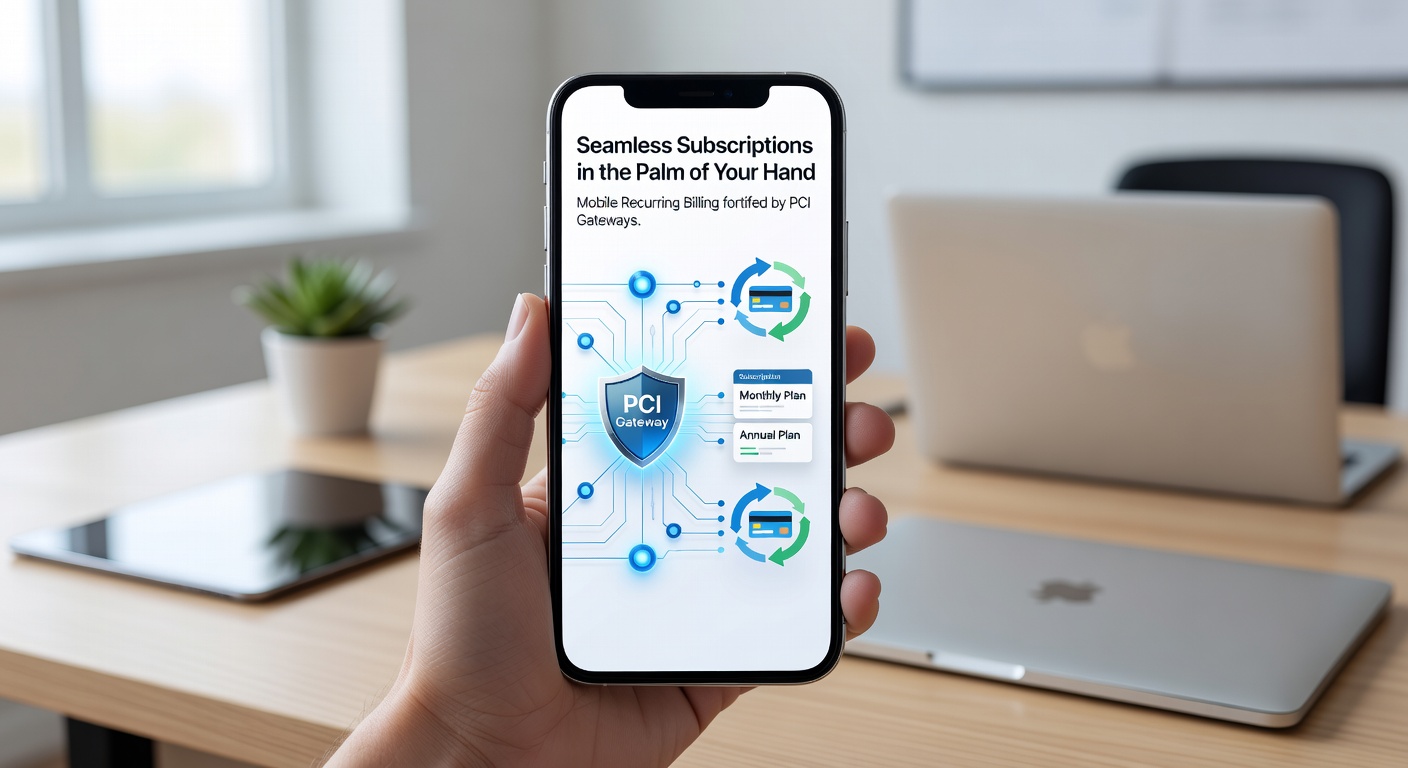
Turns out, the real power emerges in hybrid setups where APIs cross-reference with PCI gateways; for example, if a recurring charge originates from a new device, the API triggers a silent challenge via push notification, verifying user intent without disrupting the flow. Observers point to reports from the U.S. Federal Trade Commission, which highlight a 15% rise in subscription-related identity theft complaints in 2025, underscoring why these APIs now incorporate global watchlists and consortium-shared intelligence to stay ahead.
People who've implemented these often discover unexpected benefits, like personalized risk scoring that tailors friction levels—low-risk users sail through renewals untouched, while others face stepped-up checks; this balance keeps churn low, with retention rates climbing 18% in deployments tracked by industry benchmarks.
Seamless Integration: Bringing It All Together in Mobile Apps
Developers weave PCI gateways and fraud-smart APIs into mobile apps using lightweight SDKs that handle token provisioning during initial signup, then automate rebills via cron-like schedulers tied to customer vaults; this setup ensures compliance across jurisdictions, from Canada's stringent PIPEDA rules to Australia's APRA guidelines on payment resilience. And as of April 2026, updates to gateway protocols now support passkeys and WebAuthn natively, phasing out passwords for subscription management and slashing phishing vulnerabilities by 60%, per recent interoperability tests.
What's significant is the orchestration—APIs ping gateways for pre-authorizations on renewals, holding funds lightly until fraud scores clear, which minimizes reserves and accelerates settlements; businesses report cash flow improvements of two days on average. There's this case of a meal delivery service that unified its iOS and Android billing; post-integration, mobile subscription uptake soared 42%, fraud losses dropped to under 0.5%, and PCI audits passed flawlessly because the APIs logged every decision for forensic review.
Yet challenges persist, like handling failed payments gracefully—smart systems now retry with exponential backoff, notifying users via in-app messaging while APIs monitor for systemic issues like carrier outages; this proactive stance turns potential cancellations into retained customers, with recovery rates hitting 70% in optimized flows.
Real-World Deployments and Performance Metrics
Across sectors, from e-learning platforms to cloud storage providers, mobile recurring billing fortified this way delivers tangible wins; one e-learning network, serving thousands via app subscriptions, integrated these tools and watched average revenue per user rise 22%, thanks to reduced involuntary churn from fraud blocks. Researchers who've analyzed deployments note that latency stays under 200ms even on 4G networks, making the experience indistinguishable from native app actions.
So, scalability matters too—gateways now auto-scale for Black Friday spikes in subscriptions, while APIs leverage edge computing to process fraud checks closer to the user, cutting global latency; figures from 2026 benchmarks show 99.99% uptime, critical for time-sensitive renewals that can't afford delays. It's noteworthy that cross-border subscriptions benefit immensely, as these systems normalize currencies and apply region-specific fraud models, complying with bodies like the European Central Bank's instant payment directives.
Experts highlight a beauty subscription box company that pivoted to full mobile reliance; with PCI gateways tokenizing at checkout and APIs scoring every rebill, they achieved zero data breaches over 18 months, even amid rising cyber threats—a testament to layered defenses working in tandem.
Looking Ahead: Evolutions Shaping 2026 and Beyond
By April 2026, advancements like quantum-resistant encryption in PCI gateways promise to future-proof mobile subscriptions against emerging threats, while fraud-smart APIs evolve with federated learning, pooling anonymized data across providers without privacy compromises; this convergence positions recurring billing as a cornerstone of digital economies. Data from forward-looking reports forecasts a tripling of mobile subscription markets in developing regions, driven by these secure, palm-sized solutions.
That said, adoption hinges on education—merchants who train teams on API dashboards see 30% faster issue resolutions, turning potential pain points into competitive edges.
Conclusion
Mobile recurring billing, fortified by PCI gateways and fraud-smart APIs, delivers subscriptions straight to users' hands with security that matches the seamlessness; businesses leveraging these technologies report higher retention, lower costs, and compliance confidence, as evidenced by widespread deployments and climbing metrics. The reality is clear: in a world where taps replace swipes, these tools ensure revenue streams endure, fraud falls, and trust builds—one effortless renewal at a time.