Cross-Border Merchant Account Strategies: API Fraud Shields and Continuous Support in Mobile Subscription Credit Management
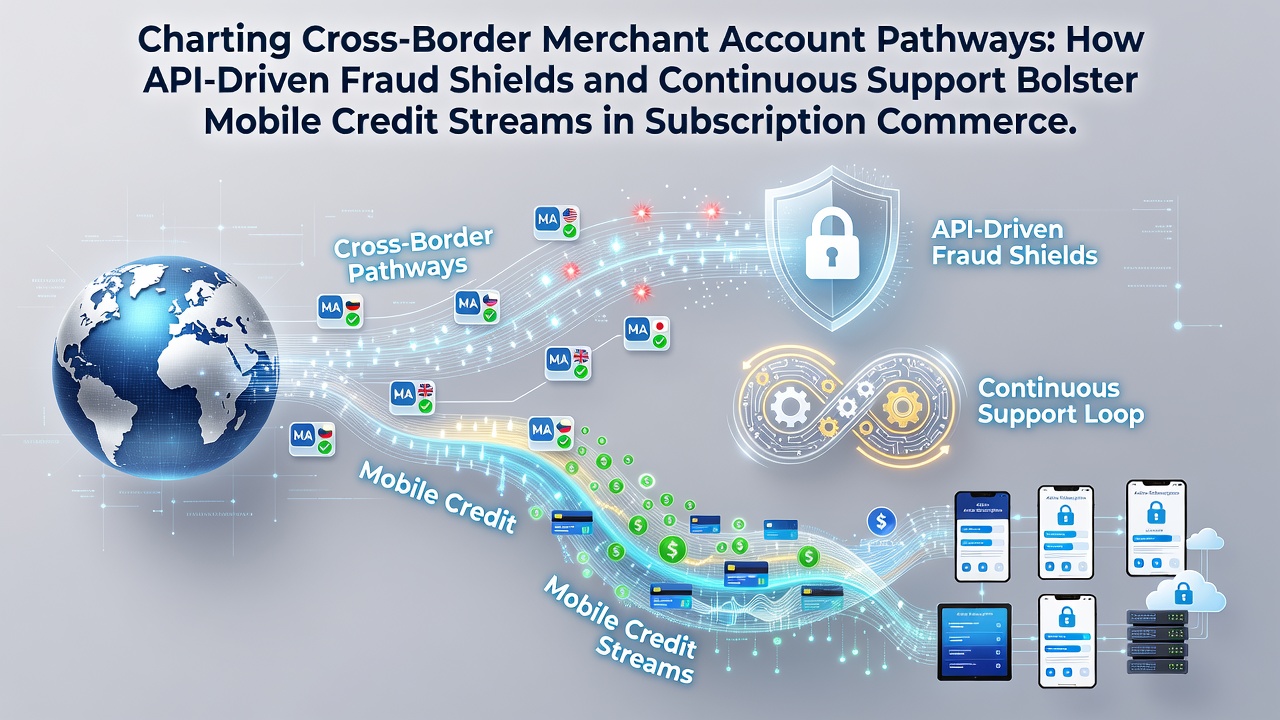
Global subscription commerce continues to expand through mobile channels, and merchant account pathways must adapt to handle cross-border credit streams with precision. Research indicates that API-driven fraud shields now form a core layer in these systems, while continuous support teams monitor transactions around the clock to maintain steady flows. Observers note that mobile devices account for over sixty percent of recurring billing activity in many markets, which places added pressure on compliance frameworks and real-time verification tools.
Understanding Cross-Border Merchant Account Structures
Merchants who process recurring payments across multiple jurisdictions rely on account setups that connect local banking rails to international networks. These structures require careful routing because currency conversion rules, tax reporting standards, and regional data protection laws differ significantly. Data from the European Central Bank shows that transaction volumes in mobile subscriptions grew steadily through 2025, prompting providers to refine their onboarding procedures for new merchant accounts.
One study revealed that delays in account activation often stem from mismatched documentation across borders, yet API connections now allow pre-validation of merchant credentials before funds move. This approach reduces setup times while preserving the integrity of credit streams that depend on uninterrupted monthly or quarterly collections.
API-Driven Fraud Shields in Action
Application programming interfaces equipped with machine learning models scan each authorization request for patterns that suggest unauthorized use or account takeover attempts. These shields evaluate device fingerprints, velocity checks, and behavioral signals within milliseconds, which helps preserve approval rates for legitimate subscribers. Researchers discovered that integration of such APIs into mobile billing platforms lowered chargeback ratios by measurable margins in several documented deployments during late 2025.
What's interesting is how these tools adapt to variable-cycle billing, where payment intervals change based on user preferences. Continuous data exchange between the merchant system and the acquiring bank allows the API to update risk scores dynamically rather than relying on static rules. Experts have observed that this flexibility proves especially useful when subscribers travel across regions and trigger location-based alerts.
Role of Continuous Support Networks
Support frameworks operate alongside the automated layers to address edge cases that algorithms alone cannot resolve. Teams available at all hours review flagged transactions, assist merchants with dispute documentation, and coordinate with card networks when rapid intervention becomes necessary. Figures reveal that merchants who maintain twenty-four-hour access to such assistance experience fewer interruptions in their recurring revenue cycles compared with those limited to standard business hours.
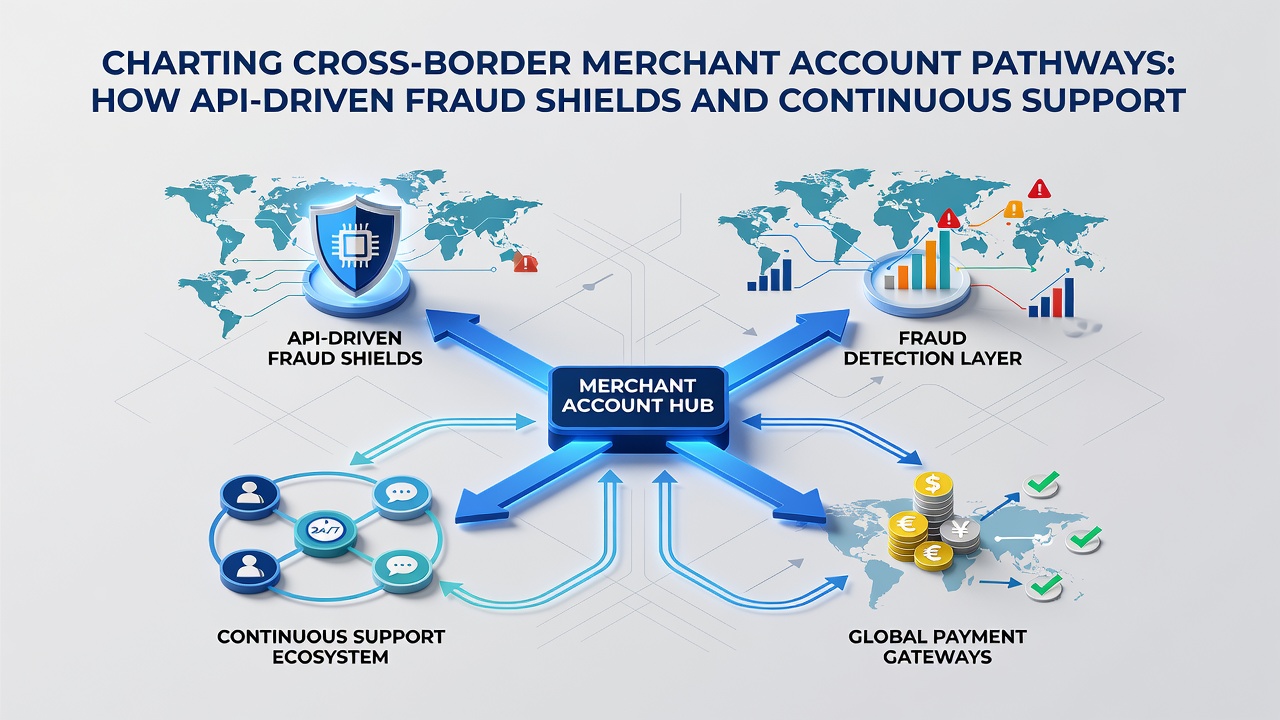
Take one provider who noticed a spike in declined payments originating from a specific mobile carrier in Southeast Asia during early 2026. The support group identified a temporary network routing issue rather than fraud, which restored processing within hours instead of days. Such interventions demonstrate how human oversight complements the speed of API shields when unusual conditions arise across borders.
Mobile Credit Streams and Subscription Commerce Realities
Mobile platforms introduce additional variables because users frequently update payment methods through apps, and tokenization must remain current to avoid failed collections. Subscription services that span multiple countries must also navigate differing consumer protection statutes that affect cancellation rights and refund timelines. According to analysis shared by the Monetary Authority of Singapore, mobile recurring payments in the Asia-Pacific region reached new volume records by mid-2026, underscoring the need for resilient account pathways.
API architectures that link directly to card networks enable instant updates when a subscriber replaces an expired card, which keeps credit streams intact. Continuous monitoring further ensures that any sudden change in spending patterns triggers review before funds are released. Those who have examined these systems report that the combination reduces involuntary churn caused by technical declines rather than customer intent.
Compliance Pathways and July 2026 Developments
Regulatory updates effective around July 2026 introduced tighter requirements for cross-border data sharing in payment processing. Merchant accounts handling mobile subscriptions now incorporate enhanced verification steps that align with these standards while still supporting rapid transaction throughput. Observers note that providers who already maintained strong API fraud controls adapted more quickly because their existing infrastructure supported granular logging and audit trails.
Industry reports highlight that collaboration between acquiring banks and technology vendors accelerated the rollout of updated compliance modules during this period. The result appears in smoother onboarding for merchants entering new markets, because the underlying systems already flag potential regulatory gaps before transactions begin.
Conclusion
Cross-border merchant account pathways continue to evolve through tighter integration of API fraud shields and round-the-clock support structures. These elements work together to sustain mobile credit streams that power subscription commerce across regions. Data indicates measurable improvements in transaction reliability when both automated detection and human oversight operate in tandem, and further refinements are expected as regulatory landscapes shift. Merchants who align their systems with these practices position their recurring billing operations to handle growing volumes without compromising security or compliance.