Cross-Border Credit Routes: Mobile API Frameworks Driving Subscription Billing With Embedded Security Layers and Ongoing Regulatory Oversight
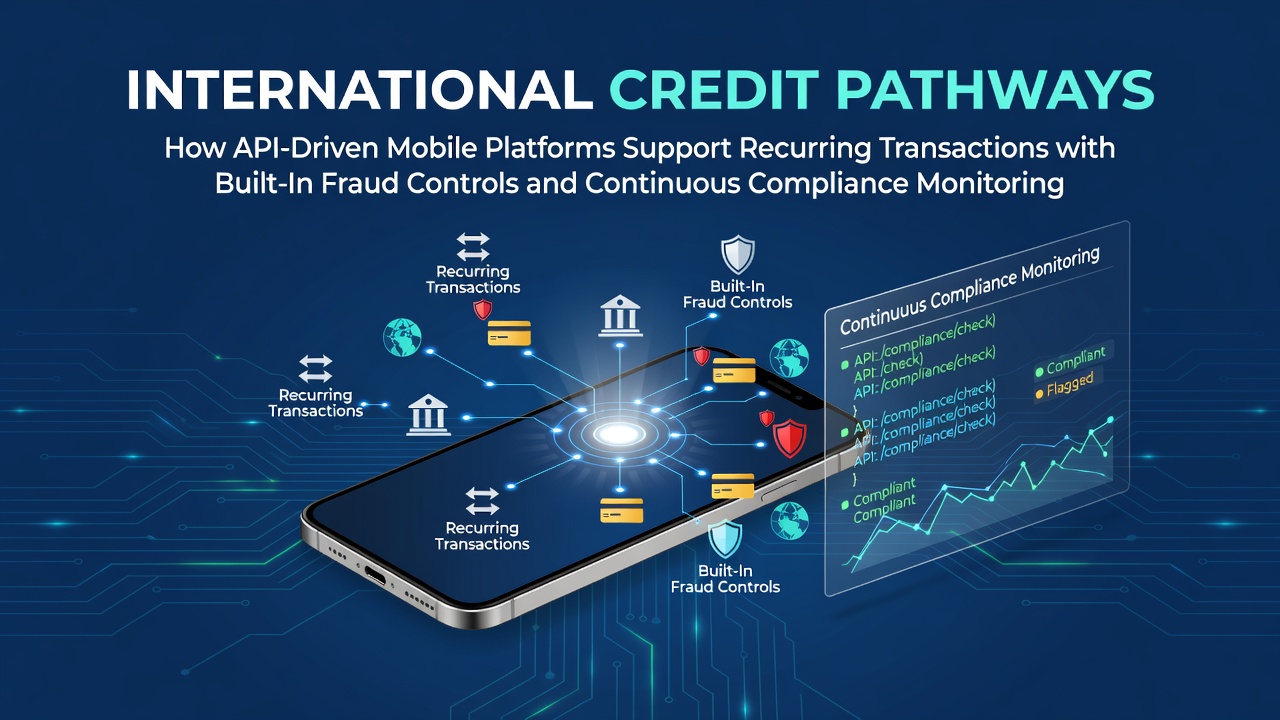
International credit pathways rely on API-driven mobile platforms that connect merchants, consumers, and financial institutions across borders while processing recurring transactions; these systems incorporate fraud controls that analyze patterns in real time and maintain continuous compliance monitoring to align with varying regional standards. Data from multiple markets shows that such platforms handle millions of subscription payments daily, with transaction volumes rising steadily through 2025 and into mid-2026.
API Structures Supporting Global Recurring Flows
Mobile platforms use application programming interfaces to link payment processors with banking networks and card schemes, which allows recurring billing cycles to run without manual intervention each period. These APIs standardize data exchange so that a subscription started in one country processes correctly when the cardholder travels or changes regions. Observers note that integration points often include tokenization services that replace sensitive card details with unique identifiers, reducing exposure during repeated charges.
Payment gateways built on these APIs route requests through multiple verification steps before authorization occurs. In practice, a single recurring transaction may trigger checks for velocity limits, geographic consistency, and device fingerprinting within milliseconds. Research from industry reports indicates that platforms employing layered API calls achieve higher approval rates while flagging anomalies faster than older batch-processing methods.
Fraud Controls Integrated at the API Level
Built-in fraud controls operate through machine-learning models that score each recurring transaction against historical behavior and peer-group patterns. When a mobile API detects deviations such as unusual amounts or new IP addresses, it can trigger step-up authentication or temporary holds without halting the entire subscription service. Studies from financial technology analyses reveal that these models update continuously using aggregated transaction data across participating merchants.
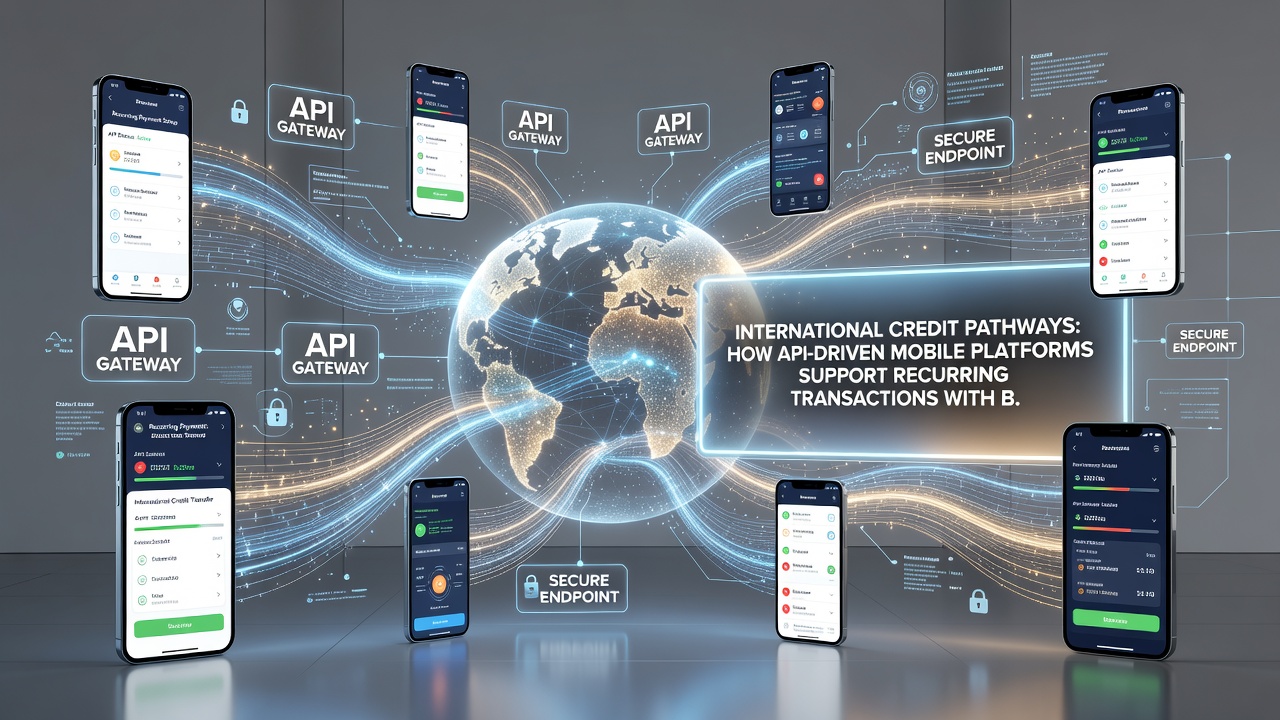
Device-based signals and behavioral biometrics add another dimension, allowing platforms to distinguish between legitimate cardholders and potential account takeovers. Those who manage large subscription fleets often report that real-time scoring reduces chargeback ratios, particularly in markets where cross-border usage is common. As of July 2026, several providers have incorporated additional signals from mobile operating system security frameworks to strengthen these controls further.
Continuous Compliance Monitoring Across Jurisdictions
Regulatory requirements differ between regions, so platforms embed monitoring modules that track changes in rules from bodies such as the Federal Reserve in the United States and the European Central Bank in the euro area. These modules log every configuration update and transaction pathway, creating audit trails that regulators can review on demand. Compliance engines inside the APIs check data fields against current mandates before each batch of recurring charges executes.
Token lifecycle management forms a key part of ongoing oversight, because token expiration or re-issuance must occur without disrupting active subscriptions. Platforms that maintain synchronized compliance dashboards allow merchants to view status across multiple countries from a single interface. Figures released by payment industry groups show that merchants using such integrated monitoring experience fewer interruptions when rules shift in one market while remaining stable elsewhere.
Practical Implementation in Mobile Environments
Developers building mobile applications integrate these APIs through software development kits that abstract complex routing logic into simple function calls. A subscription service can therefore initiate a recurring charge, receive an immediate fraud score, and confirm compliance status before the user even closes the app. Case examples from large e-commerce operators demonstrate that this approach supports variable billing cycles, including monthly, quarterly, and usage-based models, without separate code paths for each region.
Testing environments provided by API vendors replicate live regulatory conditions so that updates can be validated before deployment. Those managing merchant accounts frequently run parallel test suites that simulate transactions from different time zones and regulatory zones to verify that fraud thresholds and compliance flags behave consistently.
Conclusion
API-driven mobile platforms have become central to international credit pathways by combining recurring transaction processing with layered fraud detection and continuous compliance tracking. The architecture supports global scale while adapting to evolving regulatory landscapes, and data through July 2026 indicates sustained growth in adoption across subscription-heavy sectors. Merchants and service providers continue to refine these integrations to maintain secure, uninterrupted billing flows wherever their customers reside.