Charting the Path of Secure Mobile Payment Infrastructures via Strategic Merchant Partnerships and Vigilant Supervision Systems
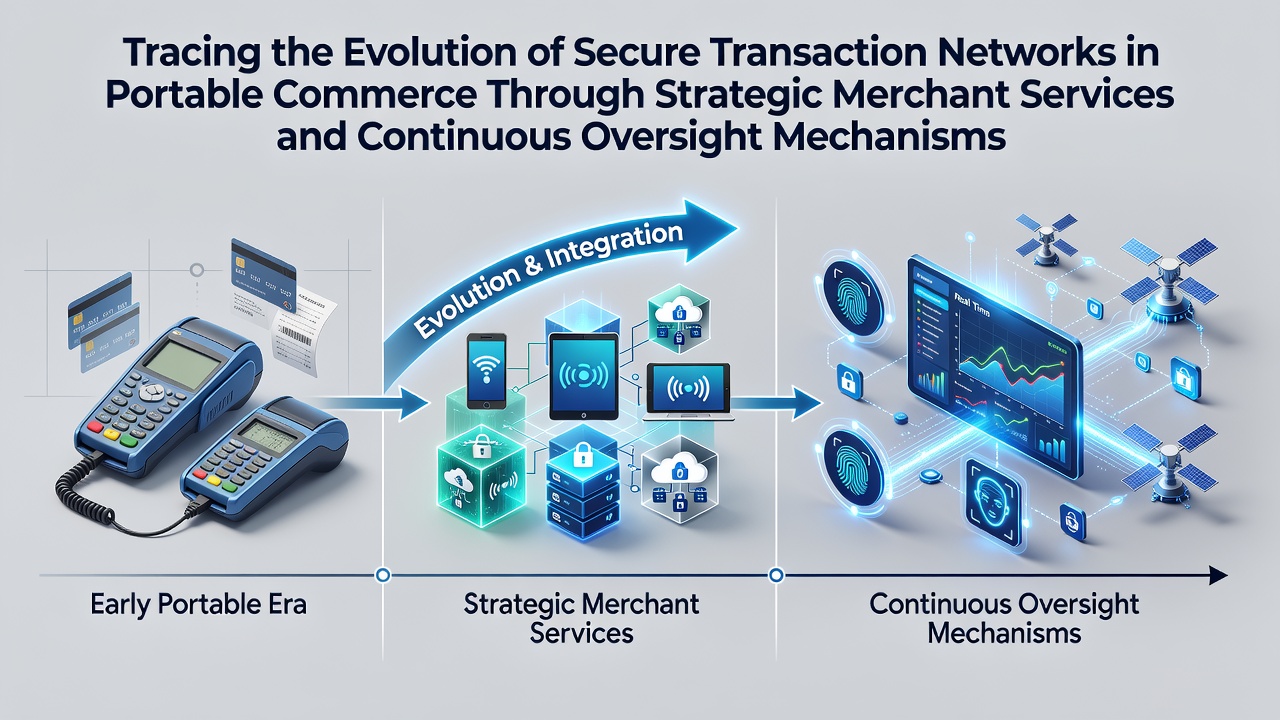
Portable commerce has transformed how transactions occur across devices, with secure networks evolving from basic card readers in the early 2000s to sophisticated frameworks that handle recurring billing and global transfers. Researchers have documented this shift through merchant services that integrate encryption at every layer while continuous oversight mechanisms track anomalies in real time. Data from industry reports indicates adoption rates climbed steadily as smartphones became primary commerce tools and merchants sought reliable processing partners.
Early mobile payment systems relied on simple SMS confirmations and basic gateways that lacked robust authentication, which left gaps that fraudsters exploited during the initial rollout phase. Merchants began forming strategic alliances with payment processors to embed tokenization and point-to-point encryption, reducing exposure during data transmission. Those partnerships laid groundwork for scalable networks capable of supporting variable-cycle subscriptions common in app-based services.
Merchant Services as Foundational Elements
Strategic merchant services expanded beyond basic authorization to include dynamic risk scoring models that adjust based on transaction velocity and geographic patterns. According to PCI Security Standards Council documentation, these services enforce compliance protocols that align with portable device capabilities, ensuring cardholder data never resides on the endpoint itself. Integration occurs through APIs that connect point-of-sale applications directly to acquirer networks, allowing instant validation while maintaining separation between sensitive elements.
Observers note that merchants in sectors like digital content delivery adopted these services first because recurring billing demands consistent uptime and fraud barriers. Continuous monitoring layers detect deviations such as unusual login locations or mismatched device fingerprints, triggering holds before settlement completes. This approach evolved further when global networks standardized on EMV protocols adapted for contactless mobile interactions.
Oversight Mechanisms and Their Integration
Persistent oversight relies on automated dashboards fed by machine learning classifiers trained on historical breach data, which flag potential issues across international corridors. European Central Bank analyses show these systems reduced unauthorized transaction volumes in mobile channels by coordinating alerts among issuing banks, processors, and merchants in synchronized workflows. Oversight extends to regulatory reporting requirements that update quarterly, ensuring networks adapt to emerging threats without disrupting user flows.
Turns out the combination of merchant account provisioning with real-time surveillance created feedback loops where flagged incidents refine future detection thresholds automatically. In June 2026, updated guidelines from the Federal Reserve are scheduled to emphasize enhanced logging for cross-border portable payments, which will require merchants to maintain audit trails spanning at least seven years. Such measures build on earlier frameworks that already incorporated device attestation checks during API calls.
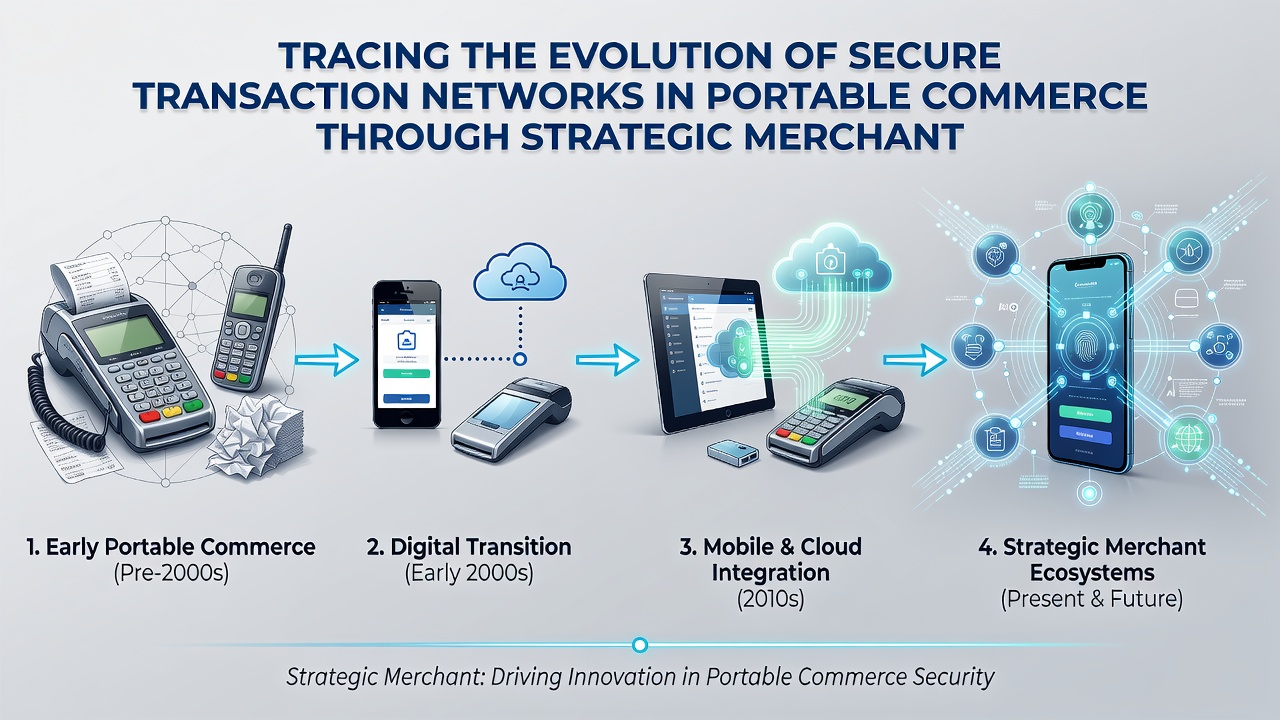
People who've examined transaction logs across regions observe that oversight tools now incorporate behavioral biometrics collected during checkout sequences, adding another verification dimension without adding friction for legitimate users. These elements connect through centralized platforms where merchant services providers orchestrate responses across multiple acquirers simultaneously.
Global Expansion and Compliance Threads
Networks extended reach into emerging markets by layering local regulatory overlays onto core merchant service stacks, allowing seamless handling of variable currencies and tax treatments. Research indicates compliance threads strengthened when oversight included automated currency conversion checks alongside PCI-mandated controls, preventing mismatches that previously triggered declines. Australian Payments Network reports highlight how portable commerce volumes in the Asia-Pacific region grew after such integrations stabilized settlement times.
Yet challenges persist around legacy point-of-sale hardware that still requires phased replacement to fully support modern oversight protocols. Strategic merchant partnerships have addressed this through staged migration programs that maintain processing continuity during upgrades. Data shows these programs lowered error rates in recurring mobile billing by synchronizing updates across API endpoints and monitoring consoles at once.
Conclusion
The trajectory of secure transaction networks in portable commerce reflects incremental layering of merchant services capabilities with layered oversight that responds to both technological shifts and regulatory updates. Evidence from multiple sources demonstrates how these elements together support reliable operations across borders and device types while adapting to new patterns that emerge in digital exchanges. Future developments will likely build directly on teh architectures already deployed by mid-2026.