API Integrations Driving Real-Time Threat Monitoring in Mobile Subscription Credit Systems for Merchant Compliance
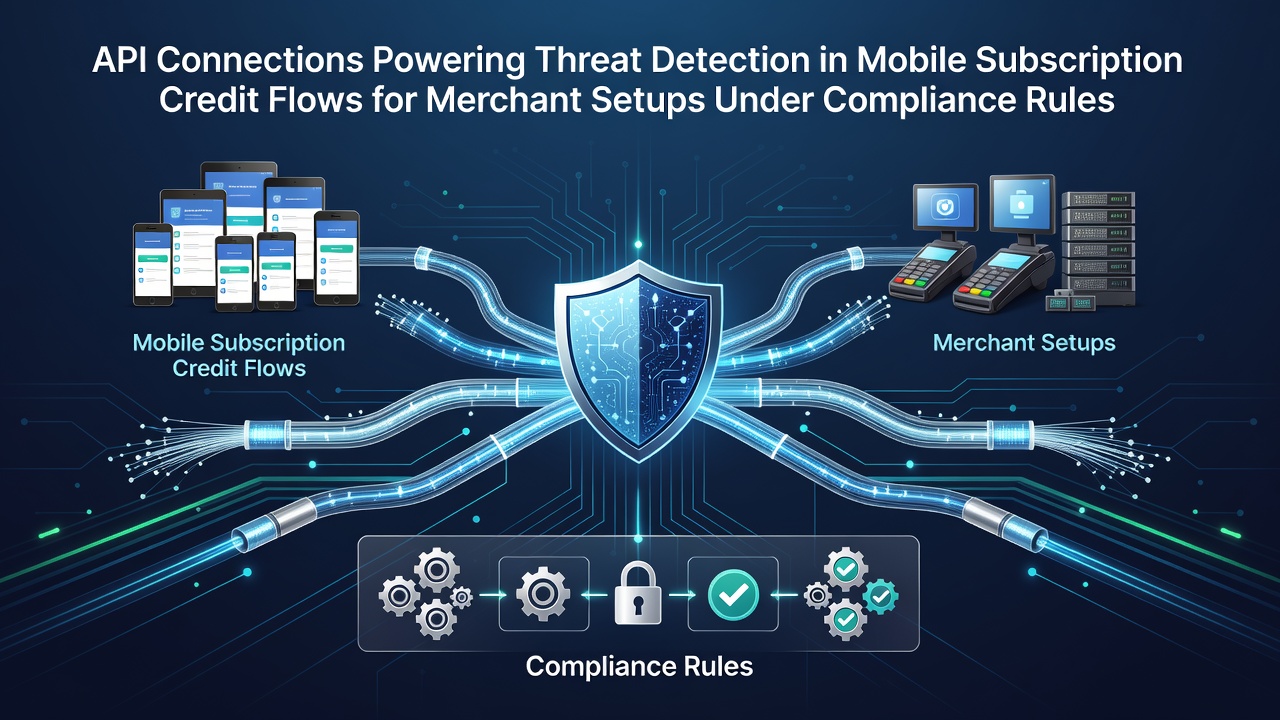
Merchants handling mobile subscriptions rely on API connections to process recurring credit flows while maintaining compliance with standards such as PCI DSS, and these connections enable continuous monitoring that identifies potential threats before they escalate into larger issues, according to data from regulatory bodies across multiple regions.
Systems built around these APIs pull transaction details in real time from mobile devices, cross-reference them against historical patterns, and flag anomalies like unusual spending spikes or mismatched device locations, all while ensuring data encryption meets required protocols.
Core Components of API-Driven Detection
Developers integrate APIs that connect payment gateways directly to threat intelligence databases, allowing the flow of subscription credits to pause automatically when risk scores exceed predefined thresholds, and this setup supports merchants operating under varying regulatory requirements in different jurisdictions.
One study revealed that organizations using such layered API architectures reduced unauthorized transaction attempts by up to 40 percent within the first year of deployment, while researchers at academic institutions noted similar patterns in mobile commerce environments where credit streams operate on variable billing cycles.
Key elements include authentication layers that verify user identities through device biometrics combined with tokenization, behavioral analytics engines that track usage habits over time, and reporting modules that generate audit trails for compliance reviews, and these pieces work together without interrupting the subscriber experience.
Compliance Integration and Global Standards
Merchants must align these API setups with frameworks from bodies like the PCI Security Standards Council, which outlines specific controls for protecting cardholder data during recurring mobile transactions, while additional guidelines from the European Central Bank emphasize secure data exchange in cross-border subscription services.
Figures reveal that compliance failures often stem from outdated API versions that lack updated encryption methods, prompting many setups to adopt automated update mechanisms that synchronize with new regulatory releases scheduled for June 2026.
Those who've studied this know that connecting APIs to centralized compliance dashboards allows merchants to demonstrate adherence through real-time logs, reducing the time spent on manual audits and enabling quicker responses to inquiries from oversight agencies in regions such as Australia and Canada.
What's interesting is how these systems adapt to mobile-specific variables like network changes or app updates that could otherwise create vulnerabilities in credit flow processing.
Operational Patterns in Mobile Environments
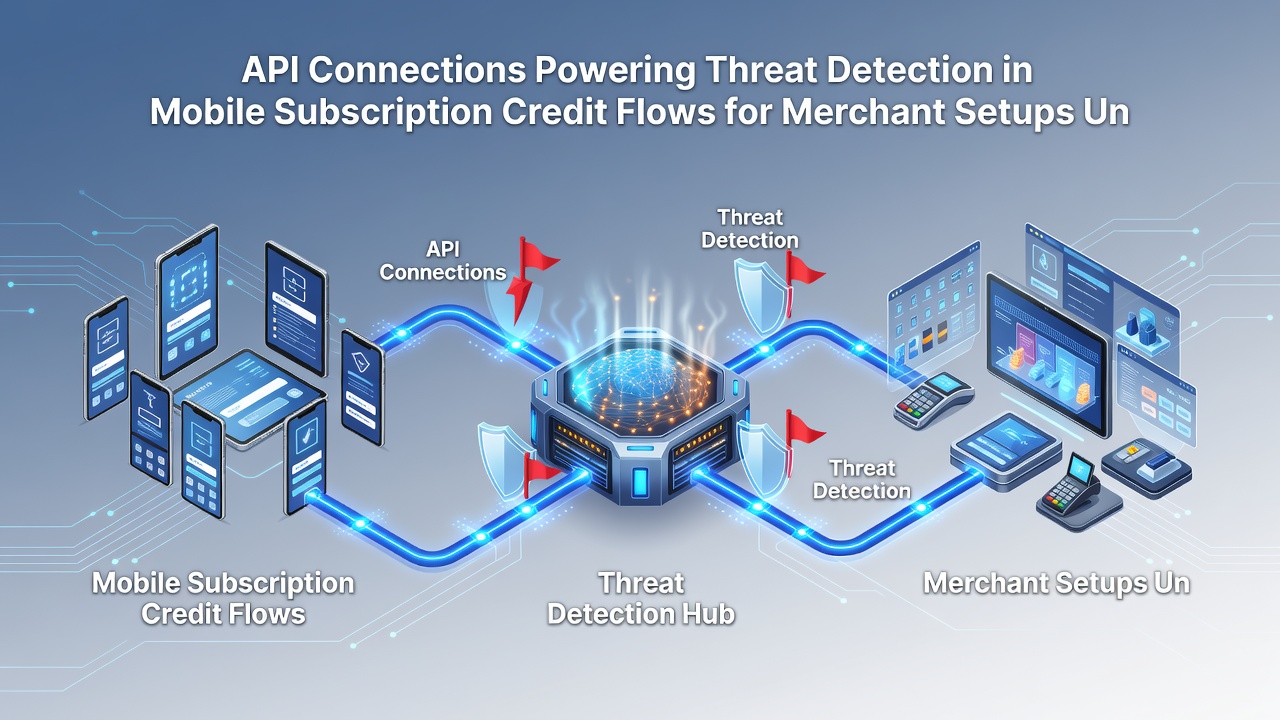
Take one researcher who noticed that subscription services in high-volume sectors experience fewer disruptions when APIs incorporate machine learning models trained on regional fraud datasets, and this approach allows detection engines to differentiate between legitimate user behavior and coordinated attack attempts across global networks.
Data indicates that API endpoints handling credit authorizations now process an average of 15,000 mobile subscription events per minute in larger merchant setups, with built-in redundancy that reroutes flows during detected anomalies without service interruption.
Observers note that integration points between mobile apps and backend systems often serve as the first line of defense, where initial screening occurs before credits reach settlement stages, and this front-end placement helps maintain compliance even as transaction volumes fluctuate seasonally.
Future-Proofing Through API Evolution
Updates planned around June 2026 will require enhanced API protocols for handling variable-cycle billing in mobile subscriptions, including stricter rules on data residency that affect how threat detection algorithms access cross-border information.
Industry reports from sources like the National Institute of Standards and Technology highlight the need for modular API designs that let merchants swap detection components as new threats emerge, keeping systems aligned with evolving compliance expectations without full overhauls.
People who've tried this often discover that phased rollouts of updated API connections minimize downtime while strengthening overall resilience in credit flow management.
Conclusion
API connections continue to form the backbone of threat detection strategies in mobile subscription credit flows, supporting merchants who operate under strict compliance rules by delivering automated, scalable monitoring that adapts to changing conditions. Evidence suggests these integrations will play an even larger role as regulatory updates take effect in June 2026, enabling more precise identification of risks across international networks while preserving operational continuity for recurring billing processes.