API Bridges That Outsmart Fraud: Connecting Mobile Recurring Payments to Ironclad Compliance Protocols
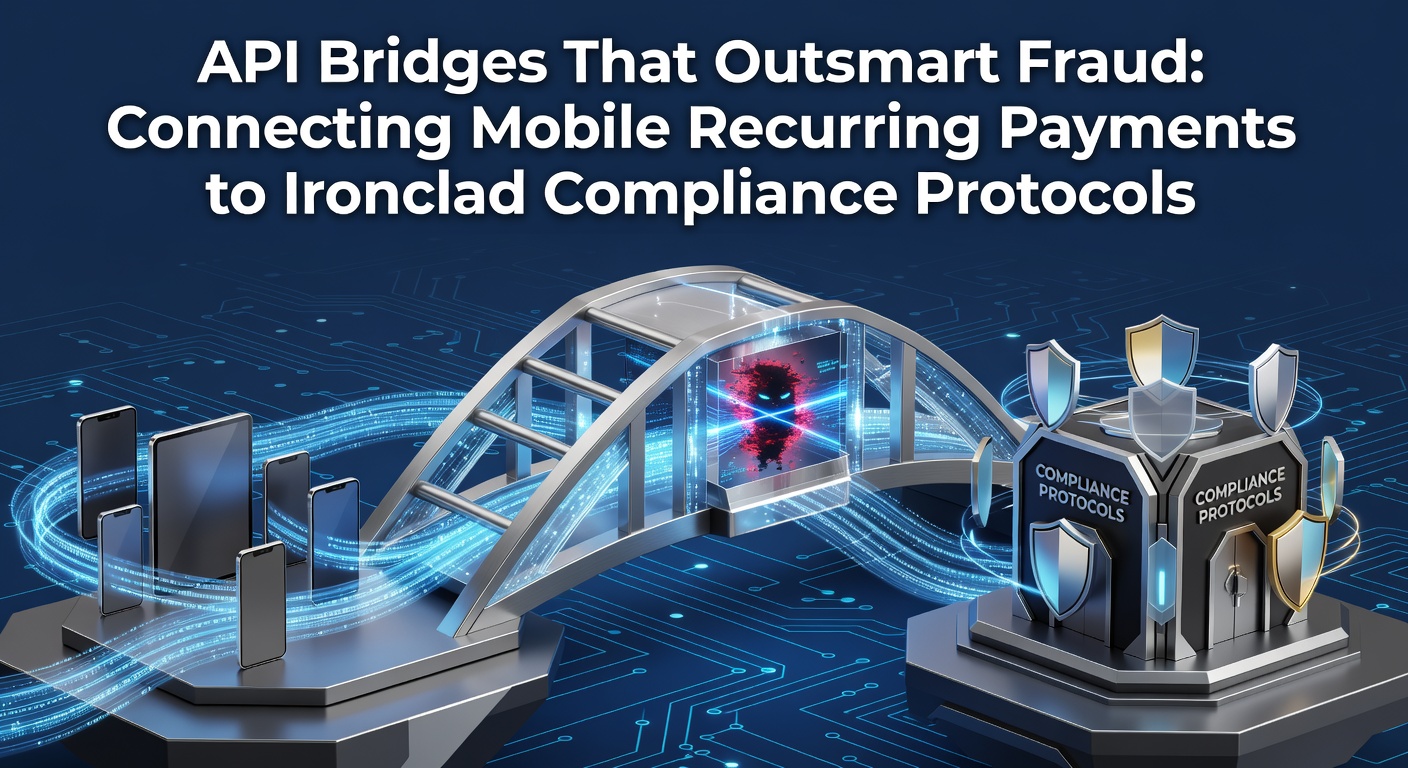
API bridges serve as critical connectors in payment ecosystems, linking mobile recurring billing systems directly to layered compliance frameworks that monitor transactions in real time. These interfaces translate data between platforms while embedding security checks that flag anomalies before they escalate into losses, and organizations have adopted them to handle the surge in subscription-based services across regions. Data from industry reports shows that recurring mobile payments grew substantially between 2023 and 2025, with transaction volumes increasing by more than 40 percent in several markets according to analyses published by the European Central Bank.
How API Bridges Function in Mobile Recurring Systems
Developers design these bridges to pull user data from mobile applications and route it through validation layers that verify device fingerprints, location patterns, and payment histories before authorizing each cycle. The process begins when a subscriber initiates a recurring charge on a smartphone app, at which point the bridge activates scripts that cross-reference the request against stored compliance rules. This approach allows platforms to maintain continuous billing without pausing for manual reviews, yet it incorporates dynamic thresholds that adjust based on risk scores calculated from prior activity.
Researchers at various institutions have documented cases where API bridges reduced unauthorized recurring charges by integrating machine learning models trained on historical fraud datasets. One study released in early 2025 highlighted implementations in North America where such systems detected patterns like sudden device changes or mismatched billing addresses within milliseconds of each request. The bridges achieve this by maintaining open channels to external databases managed by regulatory bodies and card networks, enabling instant queries that confirm card validity and account status.
Integrating Compliance Protocols for Stronger Defenses
Compliance protocols embedded within these bridges draw from standards set by organizations including the PCI Security Standards Council, which outlines requirements for data encryption and access controls during every transaction handoff. In practice the bridge enforces tokenization so that sensitive card details never travel fully intact across networks, and this method aligns with rules that took shape under frameworks like the EU's revised Payment Services Directive. Observers note that similar protocols appear in guidelines from Australia's financial regulators, where recurring payment providers must demonstrate ongoing monitoring capabilities to retain operating licenses.
Fraud Detection Mechanisms at Work
API bridges outsmart fraud through multi-factor verification sequences that combine behavioral analytics with static rule sets, creating barriers that evolve as new threat vectors emerge. For instance a system might compare a user's typing speed on a mobile interface against established baselines, flagging deviations that often accompany stolen credentials. Data indicates these layered checks catch a significant portion of synthetic identity attempts before funds transfer, and platforms report fewer chargebacks after deployment.
Another layer involves geolocation cross-checks that reference real-time signals from mobile carriers, allowing the bridge to halt transactions originating from unexpected regions while permitting legitimate travel patterns flagged in advance by the account holder. Experts have observed that this capability proves especially useful for global subscription services where users move frequently between countries.

Real-World Deployments and Performance Metrics
Companies operating subscription platforms in Asia-Pacific markets implemented API bridges during 2024 to meet tightening requirements ahead of scheduled compliance updates, and figures from those rollouts showed a 25 percent drop in fraud-related disputes within the first six months. The bridges connected directly to local banking APIs while routing select data points through centralized compliance hubs that enforce encryption standards across borders.
Those who've studied these deployments point to seamless integration with existing mobile SDKs, where the bridge operates as an invisible intermediary that logs each step for audit trails required by oversight agencies. In May 2026 several jurisdictions plan to introduce enhanced reporting mandates for recurring payment processors, requiring detailed logs of every automated transaction decision, and current bridge architectures already include hooks that will accommodate those additions without major rewrites.
Technical Architecture Supporting Secure Connections
The underlying structure typically features modular components that handle authentication, data mapping, and response orchestration in sequence, allowing updates to individual modules when new compliance directives surface. Developers configure these elements to support both REST and GraphQL endpoints so that mobile apps can interact without custom coding for each region. Performance benchmarks published by research groups indicate latency remains under 300 milliseconds for most verification calls, preserving the fluid user experience expected in recurring billing scenarios.
Security teams incorporate regular penetration testing cycles into maintenance routines, and results from independent audits confirm that properly configured bridges resist common injection attempts while maintaining uptime above 99.9 percent across monitored periods. This reliability stems from redundant pathways that reroute traffic during localized network issues without interrupting billing cycles.
Conclusion
API bridges continue to evolve as essential tools that tie mobile recurring payment flows to robust compliance structures, delivering measurable reductions in fraud exposure while satisfying regulatory demands across multiple jurisdictions. Organizations tracking these developments report sustained improvements in transaction approval rates alongside lower operational costs tied to dispute resolution, and ongoing refinements position the technology to address emerging requirements scheduled for implementation in 2026 and beyond.